1931 · 7 minutes

Also available on: Wikimedia
Dumb Patrol

Dumb Patrol

1931 7 minutes United States
War and parodyPersistence in the face of defeatComedy through chaosEarly sound-era spectacleCartoon exaggeration of military conflict

Plot

In this early Looney Tunes short, Bosko is sent into the skies during the Great War and finds himself in an increasingly absurd aerial battle with a monstrous enemy aircraft and its pilot. The film plays the conflict as broad comedy, with Bosko scrambling, dodging, and improvising against the beast-like foe in a series of escalating dogfight gags. Despite an initial defeat, Bosko keeps battling through a chain of slapstick hazards that turn combat into cartoon chaos rather than serious warfare. The short builds toward a final comic resolution that emphasizes Bosko's persistence and the series' playful, musical approach to action.

About the Production

Release Date 1931-06-06
Production Warner Bros. Pictures, Leon Schlesinger Productions, Harman-Ising Productions
Filmed In Termite Terrace, Los Angeles, California, USA

Dumb Patrol is an early sound-era Looney Tunes short produced during the period when Hugh Harman and Rudolf Ising were building Warner Bros.' cartoon identity around Bosko. The film is notable for its wartime parody setting, using the Great War as a framework for musical slapstick and visual gags rather than realism. Like many early Bosko cartoons, it reflects the transitional style of 1930s animation, combining synchronized action, song, and simple rubber-hose character animation. Precise budget and box office records for individual shorts of this era were not commonly reported and do not appear to survive in a reliable published form.

Historical Background

Dumb Patrol was released in 1931, in the early years of the Great Depression, when short subject entertainment in theaters offered audiences inexpensive comic relief. It also emerged during the rapid evolution of sound animation, a period when studios were still experimenting with how best to synchronize music, effects, and character motion. The film reflects the pre-Code era's willingness to use military imagery for comedy, turning the Great War into a backdrop for playful parody rather than solemn remembrance. Historically, it is important as part of Warner Bros.' earliest animation efforts and as a document of how cartoon storytelling was changing from silent-era influences toward fully synchronized sound performance.

Why This Film Matters

The film matters chiefly as an early example of Warner Bros. cartoon identity and as part of the Bosko cycle, which helped define the studio's animation department before the arrival of later icons like Bugs Bunny, Porky Pig, and Daffy Duck. It demonstrates how early American animation could repurpose contemporary institutions such as military aviation into anarchic comic spectacle. For animation historians, it is valuable as evidence of the transitional style between silent-cartoon gags and the more character-driven, musically integrated shorts that would follow. While it is not one of the most famous Warner Bros. cartoons, it contributes to the broader understanding of how studio cartoon aesthetics and comedic language were being built in the early 1930s.

Making Of

Dumb Patrol was created during a formative period for Warner Bros. animation, when the studio was trying to establish a competitive answer to Disney's increasingly popular sound cartoons. Hugh Harman's direction reflects the studio's early emphasis on rhythmic gags, musical integration, and a loosely defined star character who could carry a short through a sequence of comic situations. Bosko, designed as a flexible everyman figure, was used to anchor a variety of settings and genre parodies, and this short places him in a wartime aerial-combat framework that lets the animators stage fast-paced action. As with many cartoons from the period, the production was shaped by the technical limitations and conventions of early synchronized sound animation, which encouraged repetitive visual motifs, simple character motion, and strong emphasis on effects timing. The exact day-to-day production record is limited, but the film clearly belongs to the stage when Harman and Ising were refining the formula that would later evolve into the studio's more famous cartoon output.

Visual Style

As an animated short, Dumb Patrol does not have live-action cinematography in the usual sense, but its visual staging relies on the camera-like framing and pacing of early cartoon production. The film uses simple compositions, clear silhouette action, and brisk transitions to keep the aerial comedy readable, even as the gags become increasingly exaggerated. The animation style is characteristic of early 1930s rubber-hose cartooning, with elastic movement, loose timing, and expressive but simplified character designs. The visual emphasis is on motion, musical rhythm, and gag clarity rather than detailed backgrounds or realistic aerial perspective.

Innovations

The film is representative of the technical achievements of early sound animation rather than a single groundbreaking innovation. Its chief achievement lies in the integration of action, music, and effects, which was still a relatively new practice in 1931. The short demonstrates how animators were learning to time gags to musical phrasing and how to maintain momentum in a fast, visually busy cartoon. It also shows the early development of Warner Bros.' house style, which would eventually become more sophisticated in later Looney Tunes productions.

Music

The short is built around early synchronized sound-cartoon practices, with music and sound effects closely tied to the action. As with many Warner Bros. cartoons of the period, the score functions as both accompaniment and comic punctuation, reinforcing character movement, impacts, and transitions. The music helps establish the playful wartime tone and supports the rhythm of the dogfight sequences. Specific cue-by-cue soundtrack documentation is limited in surviving accessible sources, but the film is clearly designed as a musical-sound short rather than a dialogue-driven comedy.

Memorable Scenes

  • Bosko's frantic aerial dogfight against the beast-like enemy aircraft, which turns combat into a rapid series of sight gags and near misses.
  • The escalating battle choreography, where each setback leads to a new comic obstacle rather than a straightforward resolution.
  • The use of wartime aviation imagery as a playground for elastic, exaggerated cartoon action.

Did You Know?

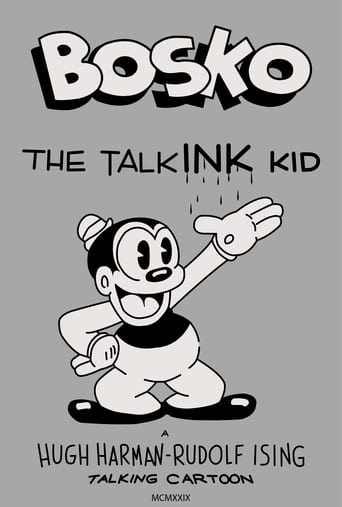
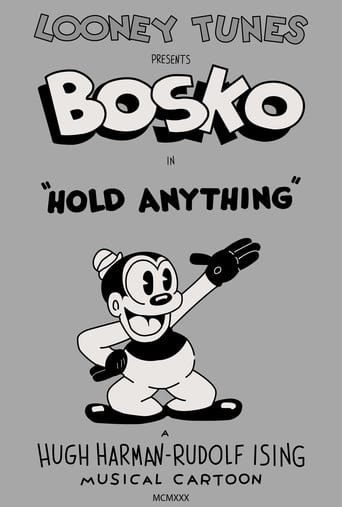
  • This short is one of the early Bosko cartoons made for Warner Bros.' Looney Tunes series before the character was phased out in favor of later stars.
  • The title is a pun on the phrase 'dumb patrol,' reflecting the film's broad comic tone and military parody.
  • Although the film is set during the Great War, it treats military aviation as a setup for surreal cartoon slapstick rather than battlefield drama.
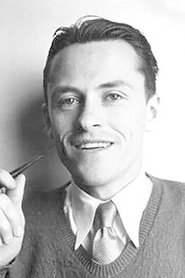
  • Hugh Harman directed the film, part of the important early collaboration with Rudolf Ising that helped shape Warner Bros. animation.
  • Bosko was one of the first recurring cartoon stars at Warner Bros. and served as an early test case for the studio's sound-cartoon style.
  • The short is representative of the pre-Code era's looser attitude toward comic violence, wartime satire, and outrageous visual gags.
  • Early Bosko shorts often featured music as an integral part of the action, with scenes timed to rhythm and sound effects rather than dialogue-heavy storytelling.
  • The film's surviving reputation today is largely among animation historians and collectors interested in the earliest Warner Bros. cartoons.

What Critics Said

Contemporary critical reception for individual shorts like Dumb Patrol was rarely documented in the detailed way feature films were reviewed, so surviving commentary from the period is limited. In modern criticism, the cartoon is usually discussed in the context of early Bosko and the Harman-Ising period rather than as a standalone classic. Animation historians tend to value it for its historical significance, while also noting the rougher, more repetitive qualities typical of very early Warner Bros. sound cartoons. Today it is generally appreciated by scholars and classic-cartoon enthusiasts more for its place in animation history than for polish or narrative sophistication.

What Audiences Thought

At the time of release, it would have played as a short theatrical program item, meant to amuse general audiences between feature presentations rather than to be judged as a major attraction on its own. The broad slapstick, familiar wartime parody, and musical timing were designed to appeal to audiences seeking light entertainment during difficult economic times. Modern audiences who encounter the film often do so through archival collections, restoration programs, or animation retrospectives, and reception tends to be strongest among viewers interested in vintage animation and Looney Tunes history. For casual viewers, its appeal is often historical curiosity, while for enthusiasts it is a valuable glimpse at the earliest Warner Bros. cartoon style.

Film Connections

Influenced By

  • Early sound cartoons of the late 1920s and early 1930s
  • Silent-era slapstick comedy
  • Contemporary war-themed comedy shorts
  • Musical revue-style animation

This Film Influenced

  • Later Looney Tunes and Merrie Melodies shorts featuring military parody
  • Subsequent Warner Bros. cartoons that developed faster, more aggressive gag timing

Film Restoration

The film is not considered lost and is known to survive in archival circulation. Like many early Warner Bros. cartoons, it has been preserved through film archives and home video/television history associated with classic-cartoon libraries. It is generally regarded as available to researchers and collectors through preserved prints or restorations rather than as a fully mainstream commercial title.

Themes & Topics

BoskodogfightGreat Warairplaneslapstickwar parody