Brother of a Hero
Plot
Set in the Soviet Union during the late 1930s, the film follows a young boy whose life changes when he becomes inspired by the example of his older brother, a genuine hero in the eyes of the family and community. As the boy observes adults working, serving, and making sacrifices for the collective good, he tries to understand what heroism really means in everyday life rather than in fairy-tale terms. The story builds around family bonds, school-age curiosity, and a child’s desire to imitate exemplary conduct, turning modest domestic and social situations into lessons in courage, responsibility, and civic duty. Rather than centering on spectacular action, the film emphasizes moral development, social optimism, and the shaping of character through example. Its emotional arc resolves with the child gaining a clearer sense of honor, perseverance, and the role he can play in the future of society.
About the Production
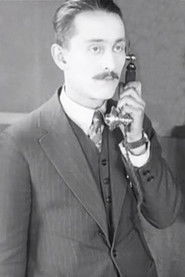
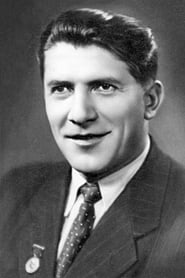
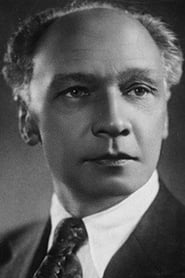
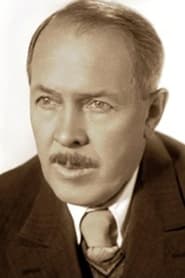
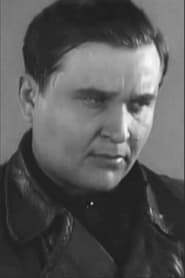
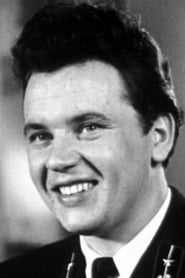
This is an early Soviet family film directed by Yury Vasilchikov and produced within the studio system of Lenfilm, where socially constructive children’s and family pictures were an important part of the wartime and prewar repertoire. The film’s modest scale reflects the period’s emphasis on didactic storytelling, accessible performances, and realistic domestic settings rather than spectacle. Like many Soviet productions of the era, precise budget and box-office figures are not readily documented in surviving English-language sources, and contemporary release information is often scattered across archival records. The available cast list suggests a performance-driven film with established Soviet screen actors, including Nikolay Kryuchkov, whose presence would have lent the picture familiarity and popularity.
Historical Background
The film was made in 1940, a pivotal moment in Soviet history just before the upheavals of the German invasion and the beginning of the Great Patriotic War in 1941. Soviet cinema in this period often balanced entertainment with ideological instruction, especially in family-oriented and youth-centered stories that reinforced collectivist values, civic duty, and moral exemplarity. Films about children, home life, and models of behavior were culturally significant because they helped shape the idea of the ideal Soviet citizen from an early age. In this context, a film titled Brother of a Hero would have resonated with the era’s emphasis on emulation, self-improvement, and the public importance of private conduct.
Why This Film Matters
Although not widely known internationally, the film is culturally important as an example of Soviet family cinema at the end of the 1930s and the threshold of wartime production. Its themes of heroism, sibling admiration, and moral formation reflect a broader Soviet effort to integrate everyday family life with state ideals of service and collectivism. The presence of established actors such as Nikolay Kryuchkov also indicates the film’s place within a recognizable performance culture that audiences of the time would have understood immediately. For film historians, it is valuable as a representative work showing how Soviet cinema addressed childhood, family, and virtue in a period of intense ideological emphasis.
Making Of
Detailed surviving behind-the-scenes documentation for this title is scarce in widely accessible sources, which is common for many Soviet-era family films that did not become major export titles. The production appears to have been shaped by the studio practices of Lenfilm, where efficient shooting schedules, studio-controlled sets, and ensemble acting were standard. Casting Nikolay Kryuchkov would have provided the film with a recognizable leading presence and likely helped anchor the emotional and ideological tone of the story. The film’s focus on children and family life suggests it was designed to be straightforward, accessible, and thematically aligned with contemporary Soviet values rather than artistically experimental.
Visual Style
Specific cinematographic credits and technical commentary are not widely available in accessible sources, but the film likely follows the visual style common to Lenfilm productions of the period: practical interior sets, naturalistic acting, and straightforward coverage designed to keep attention on character and message. Soviet family films of this era often used clear, unobtrusive camera work so that the emotional and ideological beats would remain easy to follow. The visual style would have prioritized legibility, domestic realism, and the contrast between intimate family scenes and broader social settings. As a result, the cinematography likely supports the film’s educational tone rather than drawing attention to itself through stylistic flourish.
Innovations
The film does not appear to be known for major technical innovations. Its significance lies instead in its effectiveness as a studio-produced family drama within the Soviet system, where craftsmanship, clarity, and ideological coherence were often more important than experimentation. The production likely demonstrates competent studio-era sound recording, classical framing, and dialogue-driven scene construction typical of the period. Any technical value today is primarily historical, showing how standard Soviet production methods were applied to children’s and family narratives.
Music
No detailed surviving information about the score or credited composer is readily available in accessible sources for this title. As with many Soviet-era family films, the music was likely functional and supportive, reinforcing emotional warmth, civic optimism, and moments of reflection rather than operating as a stand-alone musical feature. If archival credits are consulted, additional information about the composer and song usage may be recoverable, but such details are not securely verifiable here. The soundtrack would have been tailored to the film’s modest, moral-centered storytelling style.
Memorable Scenes
- The central scenes in which the child observes his older brother and tries to understand what makes someone a hero.
- Domestic moments that transform ordinary family life into lessons about responsibility, duty, and self-improvement.
- Scenes in which adult work and social participation are presented as models for the younger generation.
Did You Know?
- The film is a 1940 Soviet family title and should not be confused with any later or similarly titled productions.
- Director Yury Vasilchikov is credited with the film, but the title is far less internationally circulated than major Soviet war or literary adaptations from the same period.
- Nikolay Kryuchkov was one of the best-known Soviet screen actors of the era, often associated with strong, positive, and patriotic characters.
- The film belongs to a period when Soviet cinema frequently used children and family narratives to promote socially useful values and moral education.
- Because it is a vintage Soviet film, surviving information in Western databases is often limited, which makes identification by exact title, year, and director especially important.
- The film’s title suggests a focus on sibling admiration and the transfer of heroic ideals through family life, a common thematic concern in Soviet cultural production.
- Lenfilm, the likely production studio, was one of the principal filmmaking centers of the Soviet Union and produced a wide variety of popular and ideological films.
- The cast includes Mikhail Troyanovsky and Peter Leontiev, both associated with Soviet character acting and stage-trained performance traditions.
What Critics Said
Contemporary critical response is not well documented in readily available English-language sources, and the film does not appear to have generated significant international critical discussion. Within the Soviet context, such films were typically assessed by their success in communicating approved social values, clarity of storytelling, and appeal to family audiences. In later scholarship, the film is more likely to be regarded as a period artifact than as a canonical masterpiece, but it remains relevant for studies of Soviet children’s and family cinema. Its current critical standing is therefore shaped more by archival interest and historical context than by a large body of modern reviews.
What Audiences Thought
Audience reception data is not readily preserved in accessible sources, so precise popularity figures are unavailable. Given the cast and the genre, it likely appealed primarily to Soviet family audiences and younger viewers who were encouraged to see themselves in the story’s child-centered moral framework. Like many studio-era Soviet pictures, its success would have depended less on individual box-office competition and more on state-distributed exhibition and cultural usefulness. Today, audience awareness is limited outside specialist circles, though it may attract viewers interested in vintage Soviet cinema or performances by Nikolay Kryuchkov.
Film Connections
Influenced By
- Soviet children’s cinema of the 1930s
- Didactic socialist realist storytelling
- Family-centered moral dramas
- Soviet school and youth films
This Film Influenced
- Later Soviet children’s and family films that emphasized exemplary behavior and civic virtue
You Might Also Like
More Family Films
View allMore from Yury Vasilchikov
View allFilm Restoration
The film appears to survive in archival holdings, but detailed restoration status is not widely documented in accessible sources. It is not generally regarded as a lost film, though modern availability is limited and may depend on archival access or specialized screenings. Because it is a Soviet-era studio production, preservation is likely tied to Russian archival collections and film heritage institutions rather than broad commercial circulation.