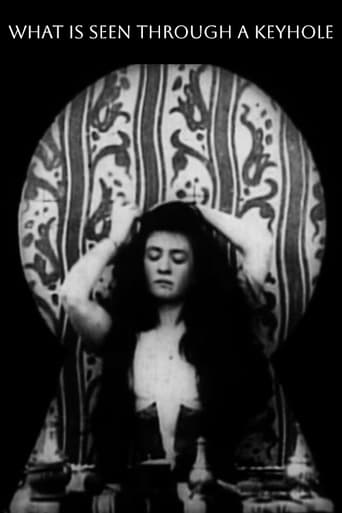
1901 · Approximately 1 minute

Also available on: YouTube Archive.org
Dream and Reality

Dream and Reality

1901 Approximately 1 minute France
Romantic illusionComic ironyMale vanityAppearances versus realitySocial flirtation

Plot

A well-dressed, middle-aged man sits at a table enjoying a drink when he is joined by a young, attractive woman whose attention seems flattering and warmly receptive. He begins to flirt with her, and the exchange appears to confirm his romantic fantasies as she remains seemingly indulgent and amused by his attentions. The scene plays like a light, teasing comic vignette, building on the suggestion that the man has stumbled into an idealized moment of late-life charm. The title's contrast between dream and reality hints that the situation is not as straightforward as it first appears, and the film uses a brief final turn to puncture or reframe the man's expectations. Like many early shorts, it relies on gesture, visual irony, and a simple comic premise rather than elaborate narrative development.

About the Production

Release Date 1901
Production Pathé Frères
Filmed In France

This is an early one-reel comic film associated with Ferdinand Zecca's work at Pathé Frères, made at a time when the company was standardizing short narrative films for international distribution. The film belongs to the period when Pathé was producing compact, visually legible comedies and scene films that depended on a single gag or reversal. As with many early 1900s productions, detailed crew records, budget information, and box-office figures were not systematically preserved. The film's surviving documentation emphasizes its simple premise and the contrast between apparent romantic success and the ironic reality implied by the title.

Historical Background

Dream and Reality was made in 1901, at a pivotal moment in cinema when films were still short, silent attractions often shown alongside actualities, féeries, and brief comic scenes. France was one of the world's leading film-producing countries, and Pathé Frères was emerging as a dominant industrial force in the international film market. Ferdinand Zecca worked during a period when filmmakers were refining the grammar of narrative cinema through simple stories, visual comedy, and concise dramatic reversals. The film matters historically because it illustrates how early filmmakers could compress a recognizable social situation into a very short piece built on irony, expectation, and punchline structure. It also reflects the transitional nature of the era: cinema was moving from novelty toward storytelling, but still retained the brevity and directness of the earliest motion pictures.

Why This Film Matters

Although not a famous title in the modern popular canon, Dream and Reality is culturally significant as a surviving example of early comic filmmaking and the kind of social miniature that helped establish film as a narrative medium. Its premise depends on a universal comic theme—self-deception and the gap between fantasy and actuality—which remains familiar in later cinema and popular culture. As part of Ferdinand Zecca's output, it contributes to his reputation as one of the filmmakers who helped define Pathé's early style and commercial formula. For historians, such films are valuable because they show how early cinema already understood the appeal of irony, role-playing, and the sudden undercutting of a character's expectations.

Making Of

Dream and Reality was produced during Pathé's highly efficient early studio era, when filmmakers like Ferdinand Zecca were turning out short items for exhibition in theaters and fairground venues. Films from this period were usually made with minimal sets, a small cast, and a focus on one clear visual situation that could be understood instantly by audiences. There is no surviving evidence of elaborate behind-the-scenes anecdotes, but the production likely followed the fast, economical methods typical of Pathé in 1901. The film's appeal would have depended less on performance virtuosity than on timing, facial expression, and the audience's recognition of the social joke at its center.

Visual Style

The cinematography would have been typical of early 1901 studio filmmaking: a static camera, a frontal presentation, and a stage-like arrangement of action within a shallow space. Early Pathé shorts generally emphasized clarity over movement, allowing viewers to read the scene instantly. In a film like this, composition would have been crucial, with the table setting and the positions of the two characters likely arranged to make the flirtation and comic irony easy to follow. There is no evidence of elaborate camera movement or lighting experimentation; the visual style would have depended on crisp staging and expressive body language.

Innovations

The film does not appear to have introduced a specific technical innovation, but it is notable for its efficient use of early narrative compression. Its main achievement lies in the way it structures a complete comic premise within an extremely short runtime, relying on staging, performer expression, and a final conceptual turn. This kind of economical storytelling was important to the maturation of cinema in the early 1900s. It also demonstrates the emerging confidence of filmmakers in using a title and a single scene to create expectation and ironic payoff.

Music

As a silent film, Dream and Reality had no synchronized soundtrack. In exhibition, it would typically have been accompanied by live music from a theater pianist or small ensemble, chosen to match the comic tone and the ironic twist of the scene. No original score is known to survive, and no standardized musical arrangement is documented. Any accompaniment would have varied according to venue and exhibitor practice.

Memorable Scenes

  • The central scene in which the middle-aged man confidently flirts with the young woman while believing he has won her favor.
  • The brief comic reversal implied by the title, which reframes the entire encounter and punctures the man's romantic assumptions.

Did You Know?

  • The film is sometimes discussed as an example of early comic irony, with the title preparing viewers for a twist between appearance and reality.
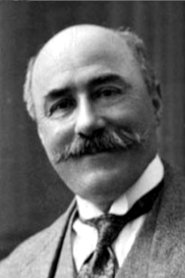
  • It was directed by Ferdinand Zecca, one of Pathé's most important early filmmakers and a key figure in the development of narrative cinema in France.
  • At roughly a minute long, it reflects the very short format common to films of 1901, before multi-reel storytelling became standard.
  • The plot is built around a small social situation rather than spectacle, showing how early cinema could turn ordinary behavior into comedy.
  • The film is preserved in reference sources under its English title, but it belongs to the French Pathé production context of the period.
  • Because of the film's age, precise production credits beyond the director are often unavailable or inconsistently recorded.
  • The work is representative of Zecca's interest in concise comic scenes with a visual punchline.
  • Its surviving description suggests a play on male vanity and youthful flirtation, a theme that was common in turn-of-the-century comic shorts.

What Critics Said

Contemporary critical reaction is not well documented in surviving sources, which is common for films of this period. As a short Pathé comic item, it would likely have been received as a light amusement rather than as a prestige attraction. Modern evaluation tends to place the film within the broader history of early French narrative shorts and Zecca's contributions to the development of screen comedy. Scholars interested in early cinema value it for its concise storytelling and for the way it uses a simple visual setup to produce a comic reversal.

What Audiences Thought

No detailed audience records survive, but the film was made for popular exhibition and was likely designed to produce an immediate, easily readable laugh or ironic recognition. Early audiences were accustomed to brief comic sketches, and this film's flirtation-and-reversal premise would have been accessible without intertitles or spoken dialogue. Its appeal would have come from the visual performance and the audience's enjoyment of the implied gap between the man's hopeful interpretation and the reality suggested by the title. Like many shorts of the era, its success would have been measured more by immediate amusement than by lasting fame.

Film Connections

Influenced By

  • French stage comedy
  • Music-hall sketch comedy
  • Early Pathé scene films
  • Turn-of-the-century visual gag films

This Film Influenced

  • Later irony-based short comedies
  • Early silent situational comedies
  • Films using dream-versus-reality reversals

Film Restoration

The film appears to survive in archival or catalogued form, but detailed preservation and restoration information is limited in readily available public sources. It is not generally treated as a lost film, though access may depend on specific archive holdings or curated early-cinema collections.

Themes & Topics