1923 · Approximately 20 minutes

Also available on: Archive.org
Horseshoes

Horseshoes

1923 Approximately 20 minutes United States
Underdog triumphPhysical comedy and slapstick escalationMistaken identity and accidental successRevenge and comic pursuitThe absurdity of spectacle and public challenge

Plot

In this short comedy, a boxer stages a publicity stunt by offering $50 to anyone who can last a full minute with him in the ring, drawing a crowd of eager onlookers. Larry, through a chain of slapstick misunderstandings, gets pushed into the situation and accidentally ends up facing the fighter after a comic mishap involving a tomato. With the help of a pair of strategically placed horseshoes, Larry surprisingly gains the upper hand and knocks the boxer out, turning the contest on its head. When the boxer regains consciousness and realizes how he was defeated, he becomes furious and sets off in pursuit of Larry, setting up the film's chase-comedy finish.

About the Production

Release Date 1923
Production Larry Semon Productions
Filmed In United States

Horseshoes is a one-reel silent slapstick comedy made during the peak years of Larry Semon's popularity as a performer, writer, and producer of elaborate comic shorts. The film follows the fast-moving, gag-driven style typical of Semon's work, relying on visual escalation, physical comedy, and prop-based humor rather than intertitles. Oliver Hardy appears in an early supporting role, representing one of many pre-Laurel-and-Hardy appearances he made in comedy shorts before his later fame. Like many comedies of the period, the production was designed to maximize broad visual humor and chase sequences rather than narrative complexity, and detailed production records such as budget and precise filming locations have not survived in widely accessible form.

Historical Background

Horseshoes was released in 1923, a period when Hollywood silent comedy was at its commercial peak and short-form slapstick remained an important part of theatrical programs. This was the era of big comic personalities such as Charlie Chaplin, Buster Keaton, Harold Lloyd, and Larry Semon, each contributing a distinct style to screen comedy. The film appeared during a time of social change in the United States, when mass entertainment was expanding rapidly and moviegoing had become a central leisure activity for urban and small-town audiences alike. In that environment, short comedies like Horseshoes served as reliably accessible entertainment, using universal visual humor that crossed language barriers and traveled well in international distribution.

Why This Film Matters

While Horseshoes is not among the most famous silent comedies today, it is culturally significant as part of the body of work that shaped American slapstick conventions in the 1910s and 1920s. It also has retrospective importance because of Oliver Hardy's presence, offering a glimpse of his career before he became one half of one of cinema's most enduring comedy teams. The film illustrates how silent shorts used simple social situations, athletic contests, and prop comedy to create broad laughs without dialogue, a style that influenced later screen comedy in both silent and sound eras. For historians, it is valuable as an example of the comic cinema ecosystem in which major stars, supporting players, and one-reel formats circulated widely and helped define popular movie culture.

Making Of

Horseshoes was made in the industrialized world of early 1920s slapstick, when comedy shorts were produced quickly and depended on performers with strong physical timing and a knack for improvisational-looking gags. Larry Semon, who often controlled much of his own screen persona and comic construction, specialized in frantic, overactive humor and absurd reversals of power; this film is consistent with that approach. The casting of Oliver Hardy is especially notable in retrospect, since it places him within the long prehistory of screen comedy before his celebrated later team-up with Stan Laurel. Surviving documentation about the shoot is sparse, so specifics such as exact set construction, stunt coordination, and location details are not well recorded in accessible modern sources, but the film clearly reflects the studio-era practice of staging simple premises around a central comic prop and a climactic pursuit.

Visual Style

The cinematography is characteristic of early 1920s silent slapstick: static or lightly mobile camera setups, full-body framing to preserve physical action, and clear staging that lets the viewer read every gag instantly. The film likely relies on medium-long and long shots so that the boxing-ring action and the horseshoe gag can be seen in their entirety, which was standard practice for comedy shorts of the era. Visual humor depends on timing, gesture, and prop interaction rather than intricate lighting or expressive camera movement. The emphasis is on spatial clarity, ensuring that the audience can track the comic escalation and the reversal when Larry unexpectedly triumphs over the boxer.

Innovations

The film's main technical achievement lies in its efficient staging of slapstick action within a short running time, using clear visual storytelling and comic prop manipulation. The horseshoes-in-the-ring gag exemplifies the silent-comedy principle of turning ordinary objects into mechanisms of surprise and reversal. Although it is not known for pioneering special effects or camera innovations, it demonstrates the technical craft of silent-era comedy direction: precise blocking, readable choreography, and an ending structured around escalating action. Its value is more historical than technological, preserving the style of early 1920s one-reel physical comedy.

Music

As a silent film, Horseshoes originally had no synchronized recorded soundtrack. It would have been exhibited with live musical accompaniment, typically a theater pianist, organist, or small ensemble selecting cues to match the pace of the boxing and chase comedy. Surviving prints or restorations may use modern compiled accompaniment, but no original score is known to be definitively associated with the film. The musical experience would have varied from theater to theater, which was normal for silent-era presentations.

Memorable Scenes

  • The comic setup in which a boxer offers $50 to anyone who can stay in the ring with him for a minute, creating the film's central challenge.
  • Larry's accidental entry into the ring after a chaotic mix-up involving a tomato, which turns the premise into a classic silent-comedy misunderstanding.
  • The horseshoe-assisted moment in which Larry unexpectedly gains the upper hand and knocks the boxer out.
  • The final pursuit, as the enraged boxer wakes up, learns what happened, and chases Larry in revenge.

Did You Know?

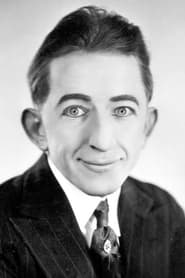
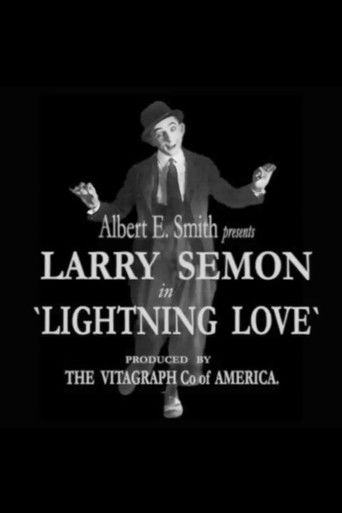
  • The film stars Larry Semon, who was one of the most successful silent comedy performers of the early 1920s, even though he is now less remembered than Chaplin, Keaton, or Lloyd.
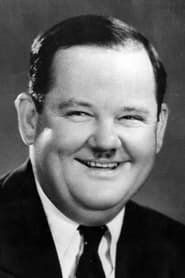
  • Oliver Hardy appears several years before he formed the famous Laurel and Hardy partnership with Stan Laurel.
  • The premise hinges on a boxing challenge, a popular comic setup in silent-era shorts because it allowed for exaggerated physical action without requiring synchronized sound.
  • The horseshoes in the title are used as a physical comic device in the ring, turning an ordinary sporting contest into absurd slapstick.
  • The film belongs to the one-reel comedy tradition, a format that demanded compact storytelling and a rapid succession of gags.
  • Larry Semon often built his films around elaborate action sequences, and Horseshoes fits that pattern with its chase-oriented finale.
  • Silent comedies of this type were frequently sold on the strength of star power and gag density rather than a detailed plot.
  • Because many studio records from the era are incomplete, some modern databases have limited production information for the film.
  • The film is part of the broader body of work that helped define 1920s American slapstick before the feature-length comedy became dominant.
  • Its boxing-crowd setup echoes a common silent-comedy theme: the ordinary man surviving by accident, trickery, or sheer luck against a stronger opponent.

What Critics Said

Contemporary reviews for many silent short comedies were brief, local, or not consistently preserved, and specific critical notices for Horseshoes are not widely documented in modern reference sources. In general, Larry Semon's films were known for their energetic visual inventiveness and fast pace, though later critics have sometimes viewed his style as more chaotic than the more finely calibrated work of Chaplin or Keaton. Modern reception tends to approach the film primarily as an archival and historical artifact, of interest for its slapstick structure and for Oliver Hardy's early appearance rather than for prestige or canonical status. Among silent-comedy enthusiasts, it is appreciated as a representative example of Semon's comic method and of the exuberant, prop-centered humor of the period.

What Audiences Thought

At the time of release, audiences for silent comedies generally responded strongly to physical gags, athletic mishaps, and chase finales, all of which Horseshoes provides in compact form. Larry Semon was a recognizable screen comic and the film would have played as a straightforward crowd-pleaser rather than a prestige attraction. The boxer-versus-underdog setup is easy to follow without intertitles, making it well suited to diverse theater audiences. Today, audience response is mainly confined to silent-film collectors, historians, and enthusiasts who seek out early comedy shorts and the prehistory of famous performers like Oliver Hardy.

Film Connections

Influenced By

  • Vaudeville stage comedy
  • Early silent slapstick shorts
  • Boxing and sports-themed comedy routines
  • Physical comedy traditions associated with the circus and music hall

This Film Influenced

  • Later boxing comedies and sports slapstick shorts
  • The pre-Laurel-and-Hardy comic support tradition featuring Oliver Hardy
  • Subsequent chase-based silent comedies

Film Restoration

The film appears to survive in archival or collected form, as it is documented in modern silent-film databases and reference listings, though detailed information about restoration status is limited. It is not generally described as a lost film in standard reference usage. Availability may depend on archive holdings, public-domain circulation, or inclusion in silent-comedy compilations rather than mainstream commercial release.

Themes & Topics