1923 · Approximately 2 reels; exact running time in minutes is not reliably documented

Also available on: YouTube
Lightning Love

Lightning Love

1923 Approximately 2 reels; exact running time in minutes is not reliably documented United States
Romantic pursuitComic chaosWeather as spectacleSlapstick escalationCompetition and imitation

Plot

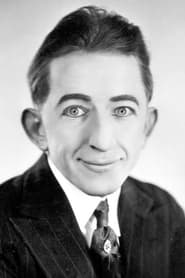
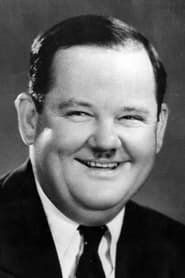
Lightning Love is a two-reel silent comedy built around the scheming, slapstick chaos of Larry Semon’s trademark screen persona. The story follows a romantic triangle in which Semon’s character tries to win the heroine while contending with Oliver Hardy, who appears in one of his early villainous comic roles. What begins as a relatively broad domestic comedy escalates into a large-scale weather gag as an elaborate storm sequence erupts and dominates much of the second reel. The climactic tempest sends characters, props, and set pieces into uproarious disarray, turning the film into a showcase for Semon’s specialty in escalating physical mayhem and stunt-driven visual comedy. The storm sequence is especially notable because it anticipates the type of elaborate weather comedy Semon would later stage in The Wizard of Oz (1925).

About the Production

Release Date 1923
Production Larry Semon Productions

Lightning Love was produced as a silent comedy short in the early 1920s, when Larry Semon was one of the more ambitious and physically active slapstick stars working in American film. The film is particularly remembered for its prolonged storm set-piece, which occupies a substantial portion of the second reel and is often cited as an early test run for the far more elaborate weather effects Semon would later use in The Wizard of Oz (1925). A notable historical episode surrounding the release was the allegation that Fox issued a comedy that was an exact copy of Lightning Love shortly before Semon’s film was due to be exhibited; producer Albert E. Smith reportedly noticed the similarities and attempted on September 5, 1923 to have the Fox film withdrawn from exhibitors. As with many silent-era shorts, detailed production records such as budget, exact shooting locations, and contemporary publicity materials are incomplete or not readily documented in surviving sources. The film’s production reflects the era’s fast-moving comedy marketplace, where visual routines, chase business, and set-piece gags were frequently recycled, borrowed, or openly imitated among studios.

Historical Background

Lightning Love was produced in 1923, during a transitional and highly competitive period in American silent cinema. The early 1920s were a peak era for two-reel comedies, with studios churning out short subjects that depended on visual invention, repeated character types, and fast turnover in theaters. Larry Semon was among the best-known slapstick stars of the period, working in a style that combined pantomime, spectacle, and increasingly elaborate production values. The film also reflects an industry in which comic ideas, plot structures, and even whole sequences could be quickly echoed by rival companies, creating disputes over originality and imitation. Its historical interest is heightened by the presence of Oliver Hardy before his later fame and by the storm sequence that foreshadows Semon’s larger-scale comic ambitions. In the broader context of silent film history, Lightning Love is a small but revealing example of how studio comedy, star personas, and technical trickery intersected in the early 1920s.

Why This Film Matters

While Lightning Love is not among the most famous silent comedies, it is culturally significant as part of Larry Semon’s body of work and as a document of early slapstick technique. The film helps illustrate the evolution of screen comedy from relatively simple chase and romance structures toward spectacle-driven gag construction, especially in its extensive storm sequence. It is also important for understanding Oliver Hardy’s career before the Laurel and Hardy era, when he was already a familiar presence in comic films and developing the persona that audiences would later recognize. The reported plagiarism dispute with a Fox comedy offers insight into the informal and competitive nature of early Hollywood comedy production, where originality was often contested in the marketplace rather than solely in the courtroom. For historians, the film’s value lies in its combination of performance style, technical experimentation, and industrial history. It remains a useful reference point for studying how silent-era comedians built routines that later influenced larger, more famous productions.

Making Of

Lightning Love was made during the height of Larry Semon’s career as a silent comedy star, when his films often depended on big-budget-looking slapstick effects, elaborate sets, and highly physical performance. The movie’s best-known production feature is its extended storm sequence, which required staged wind, rain, and destruction effects typical of silent-era comedy engineering, but on a scale that made it memorable enough to be discussed in later historical accounts. That sequence is often interpreted as an experimental precursor to Semon’s more famous large-scale weather gag in The Wizard of Oz (1925), suggesting that the production served as a kind of technical rehearsal for later, more ambitious work. The film also sits within a contentious industrial context: producer Albert E. Smith reportedly objected to a Fox comedy that he believed duplicated Lightning Love, illustrating how rapidly silent comedy ideas could be copied, adapted, and circulated among competing studios. Oliver Hardy’s participation adds additional behind-the-scenes interest because the film predates his iconic teaming with Laurel and captures him in the sort of imposing comic role that helped define his silent-era screen identity. As with many shorts of the period, much of the craft went into making physical gags readable, energetic, and safe for performers while still seeming wildly uncontrolled on screen.

Visual Style

As a silent comedy short, Lightning Love would have relied on clear, frontal staging, mobile camera placement only where necessary, and carefully arranged action that allowed physical gags to read instantly without sound. The film’s visual style likely emphasized broad composition and timing over subtle camera movement, which was standard for the era’s comic shorts. The storm sequence is the most notable visual element, requiring layered effects for wind, rain, and destruction, along with staged interactions between performers and moving set pieces. Such sequences demanded precise coordination between the camera, effects crew, and actors so that the illusion of chaos remained legible and amusing rather than merely confusing. The film’s historical interest lies in how it translated meteorological mayhem into silent visual comedy using practical effects and performance timing.

Innovations

The film’s most notable technical achievement is its large-scale storm sequence, which required the coordination of special-effects-style weather simulation, stunt performance, and comic timing. In the context of early 1920s short comedies, extending a weather gag over most of a reel was ambitious and indicates Semon’s interest in spectacle as a comedic tool. The sequence is historically significant because it appears to have functioned as a practical rehearsal for later, even more elaborate weather effects in The Wizard of Oz (1925). The film also demonstrates the mechanics of silent slapstick production, where physical action had to be staged with enough clarity that audiences could follow cause and effect instantly. Although not a technical breakthrough in the grand sense, it exemplifies the craftsmanship behind silent comedy effects and gag construction.

Music

As a silent film, Lightning Love was originally exhibited with live musical accompaniment, typically supplied by a theater pianist, organist, or small ensemble depending on venue. No original cue sheet or specific commissioned score is reliably documented in surviving readily accessible sources. Like many comedy shorts of the period, music would have been improvised or assembled from stock theatrical pieces to match the pacing of gags, the storm sequence, and the romantic interludes. Modern presentations, if any, may use reconstructed or newly composed accompaniment, but no definitive original soundtrack survives in standard references.

Memorable Scenes

  • The prolonged storm sequence in the second reel, which transforms the film from a romantic comedy into a full-scale slapstick weather disaster.
  • The comic escalation in which the characters are buffeted by wind, rain, and collapsing props, showcasing Larry Semon’s physical comedy style.
  • Oliver Hardy’s early-screen villainous comic presence, which adds tension and contrast to Semon’s frantic antics.

Did You Know?

  • Lightning Love is one of Larry Semon’s early 1920s shorts and reflects his reputation for elaborate slapstick built around destruction, movement, and large mechanical gags.
  • Oliver Hardy appears in the film before his legendary partnership with Stan Laurel, when he was frequently cast as a heavy, bully, or blustering antagonist in comic shorts.
  • The storm sequence reportedly takes up most of the second reel, making weather effects the centerpiece of the film rather than a brief gag inserted for variety.
  • Film historians have noted that the storm material is an early trial run for the much larger storm sequence Semon would stage in The Wizard of Oz (1925).
  • A contemporary dispute arose when Albert E. Smith claimed a Fox comedy released around the same time was an exact copy of Lightning Love and sought to have it pulled from exhibitors.
  • The film survives in film-reference records and historical mentions largely through cataloging, surviving documentation, and later scholarship rather than through broad mainstream circulation.
  • Like many Larry Semon vehicles, the film likely relied more on broad pantomime and visual business than on intertitles for humor.
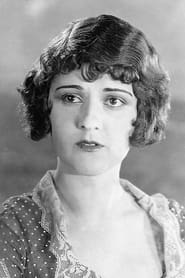
  • Kathleen Myers appears as the romantic interest, part of the stock comic-romantic setup common in Semon’s short films.
  • The film is a useful example of early-1920s comedy production when studios frequently competed by imitating successful gags and premises.
  • The title Lightning Love plays on the contrast between romance and violent meteorological chaos, a structure that mirrors the film’s shift from courtship comedy into storm-driven anarchy.

What Critics Said

Contemporary critical reception is not well documented in surviving mainstream sources, which is common for many silent shorts that were reviewed lightly or only in trade notices. What can be said is that the film was part of a popular output aimed at exhibitors seeking fast, visually energetic comedy content, and its survival in historical reference works suggests it was notable enough to be cataloged alongside Semon’s other releases. Modern critical interest tends to be retrospective and scholarly, focusing on the film’s storm sequence, its place in Semon’s filmography, and its early appearance by Oliver Hardy. Critics and historians generally view Larry Semon’s work as uneven but historically important, particularly when considering his ambitious set pieces and the transition from stage-inspired slapstick to more elaborate screen spectacle. Because the film is not widely available and detailed contemporary reviews are scarce, modern assessments are largely based on surviving prints, catalog descriptions, and scholarship on silent comedy.

What Audiences Thought

Direct audience-response data from 1923 is not readily available, but Lightning Love was made for the broad silent-comedy audience that frequented neighborhood and downtown theaters in the early 1920s. Larry Semon’s films were designed to play strongly through visual escalation, physical mishap, and repeated comic surprises, all of which were reliable crowd-pleasers in the period. The storm sequence in particular would likely have been received as a spectacle gag, offering audiences a chance to see destruction and chaos rendered in comic form. The presence of Oliver Hardy and Kathleen Myers would have added familiarity and romantic-comic appeal for contemporary viewers. In modern times, the film’s audience is necessarily limited by its obscure status and availability, so its reception is now shaped more by archival interest than by popular viewership.

Film Connections

Influenced By

  • Stage farce and vaudeville comedy traditions
  • Early slapstick shorts from the 1910s and early 1920s
  • Larry Semon’s own evolving style of spectacle-based comedy
  • Contemporary chase-and-disaster comedies

This Film Influenced

  • The Wizard of Oz (1925)

Film Restoration

The film is considered an obscure surviving silent-era title in historical references, but detailed preservation status is not reliably documented in widely available sources. A definitive modern archive location or restoration record is not clearly established in standard references. It is best treated as a rare early comedy with uncertain public access rather than a widely circulated restored title.

Themes & Topics

silent comedystorm sequenceslapstickromanceOliver HardyLarry Semonweather gagtwo-reelerimitation dispute