Katchem Kate
Plot
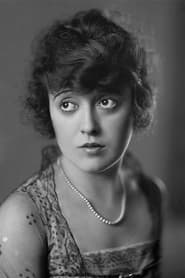
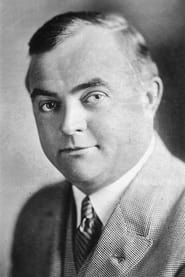
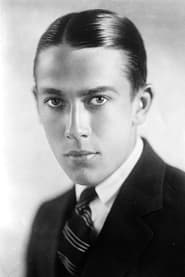
In this short Keystone comedy, Mabel works in a dress shop and catches sight of a newspaper advertisement offering training to become a detective. Intrigued by the promise of adventure and perhaps eager to escape routine work, she rushes to a detective school run by Fred Ward, where the instruction turns comic and absurd rather than practical. Once Mabel takes up the role of amateur sleuth, the film turns into a brisk chase-and-gag picture, with Fred Mace and Jack Pickford among the players drawn into the escalating mayhem. The story plays as a parody of detective fiction and of the newly fashionable idea of the modern working woman taking on traditionally masculine roles, using Mabel Normand's physical comedy and quick reactions to carry the action. As in many early Mack Sennett productions, the plot is simple but serves as a framework for a sequence of escalating comic situations, misunderstandings, and slapstick business.
Director
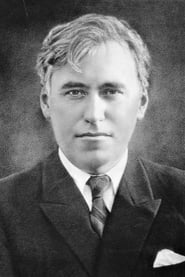
Mack SennettAbout the Production
Katchem Kate was produced during the high-output Keystone period when Mack Sennett's studio specialized in fast-made, gag-driven comedies designed for immediate theatrical release. Like many films of the era, it was shot quickly on modest sets and exterior locations around the Keystone base in Los Angeles, with production centered on physical business, chase structure, and clear visual storytelling rather than dialogue. Mabel Normand was one of Keystone's most important comic performers and often served as both the emotional center and the engine of the action, while Fred Mace and Jack Pickford were part of the studio's reliable ensemble. Surviving documentation on the film is limited, so exact budget, box office, and precise shooting schedule are not known.
Historical Background
Katchem Kate was produced in 1912, at a moment when American motion pictures were rapidly transforming from brief novelties into a major mass entertainment industry. The silent era was still dominated by short subjects, and comic films were especially popular because they required little dialogue and could travel easily across language barriers. At the same time, the early 1910s saw growing public interest in women entering new social and occupational roles, including office work and professional training, which gives the detective-school premise an additional layer of contemporary resonance. Keystone comedies often reflected urban modernity, rapid change, and the absurdity of new institutions, and this film belongs to that broader cultural moment.
Why This Film Matters
Although not one of the best-known surviving Sennett shorts, Katchem Kate is significant as part of the body of work that helped establish the conventions of screen slapstick and the star persona of Mabel Normand. It illustrates how early cinema could blend parody, social play, and physical comedy in a compact form, while also offering a rare glimpse of a female comic lead actively pursuing a career-like adventure within the story. Films of this type helped normalize the idea that women could be central comic performers rather than decorative side characters, and Normand's success influenced later generations of screen comedians. The film also belongs to the foundational Keystone output that shaped audience expectations for chaotic, fast-paced comedy in the decades that followed.
Making Of
Katchem Kate was made at a time when Mack Sennett was developing the fast, rough, highly physical Keystone style that would become synonymous with early screen comedy. Productions like this were generally assembled quickly with a small cast, a minimal set of interiors, and a strong reliance on movement, surprise, and visual punch lines. Mabel Normand was not only a popular performer but also one of the rare women to achieve real prominence in the creation of early screen comedy, and films built around her often foregrounded wit, agility, and initiative. The production environment at Keystone was famously energetic and often chaotic, but that speed also allowed the studio to generate a large number of short comedies that could be distributed promptly to exhibitors.
Visual Style
The cinematography would have been typical of early 1910s Keystone comedy: static or lightly adjusted camera placement, medium-distance framing, and staging that keeps the performers' bodies and movements fully legible. Visual clarity was paramount, so action is likely presented in straightforward compositions that emphasize entrances, exits, comic reactions, and chase movement. Early Keystone films often used simple interiors and exterior daylight shooting, with little concern for expressive lighting in the later cinematic sense. The style is significant less for pictorial sophistication than for its efficient support of slapstick rhythm and physical timing.
Innovations
There are no known technical innovations uniquely associated with Katchem Kate, but it is representative of the efficient visual storytelling techniques that early Keystone helped standardize. The film demonstrates the use of clear blocking, rapid gag escalation, and visually readable comedy that could communicate instantly without intertitles carrying the burden of exposition. Its value lies in the refinement of slapstick grammar rather than in a single breakthrough technique. As a studio product from 1912, it reflects the industry's move toward more polished production routines while still preserving a lively, improvisational comic energy.
Music
As a silent film, Katchem Kate had no synchronized recorded soundtrack. At the time of release it would typically have been shown with live musical accompaniment chosen by the theater, often improvised or assembled from cue sheets, stock music, or the accompanist's own repertoire. No original score is known to survive or be associated with the film in a standardized way. Modern presentations, if they occur, may use archival accompaniment or newly commissioned music tailored to silent-comedy pacing.
Memorable Scenes
- Mabel spotting a newspaper advertisement for detective training while working in a dress shop and impulsively deciding to pursue the opportunity.
- Mabel rushing to Fred Ward's detective school, which turns the promise of professional instruction into a comic setup for absurdity.
- The escalating slapstick business that follows once the amateur detective premise is put into motion, with the supporting cast contributing to the confusion and pursuit.
Did You Know?
- The film stars Mabel Normand, one of the most influential female comedians of the silent era and a key figure in early Keystone comedy.
- Mack Sennett directed the film during the formative years of his comedy brand, when Keystone was helping define the language of slapstick for American movies.
- The plot is built around a woman entering a detective school, a comic premise that gently satirizes the era's fascination with detective stories and modern vocational independence.
- Fred Mace and Jack Pickford appear in supporting roles; Pickford was the younger brother of Mary Pickford and was active in films before and during the silent era.
- Like many Keystone shorts, the film likely relied on improvisational-feeling comic business, but such productions were usually tightly organized around a sequence of gags.
- The film is from a period when short comedies were often distributed as program fillers and were meant to play before features or alongside other shorts.
- Because the film is a silent one, the original musical accompaniment would have depended on the theater's pianist, organist, or small ensemble rather than on a fixed soundtrack.
- Many early Keystone comedies survive only in fragmentary form or through film archives, and information about exact credits can be sparse compared with later studio productions.
- Mabel Normand frequently played resourceful, energetic women who drove the action rather than merely reacting to it, and Katchem Kate fits that pattern.
- The title itself is a punning, colloquial variation on a detective or 'catch-em' type of nickname, signaling the film's comic tone.
What Critics Said
Contemporary critical reception is difficult to reconstruct in detail because reviews of short comedies from this period were often brief, localized, or not preserved. Keystone comedies in general were widely recognized by exhibitors and audiences for their energy, physical humor, and crowd-pleasing pace, and Mabel Normand was frequently praised in period publicity and trade coverage as a standout performer. Modern film historians tend to view shorts like Katchem Kate as valuable evidence of how early slapstick developed, especially in relation to Mabel Normand's importance and Sennett's studio method. However, because the film is obscure and documentation is limited, it has received far less critical attention than the more famous surviving Keystone classics.
What Audiences Thought
Audience reception in 1912 was likely positive in the ordinary sense that Keystone comedies were designed to provoke quick laughter and serve as dependable program attractions. Short comic films were among the most commercially reliable products of the period, and exhibitors valued them for their broad appeal and repeatability. The presence of Mabel Normand would have been an additional draw, as she was already becoming a recognizable screen personality. Today, the film is chiefly of interest to silent-film enthusiasts, historians, and archivists rather than mainstream audiences, and much of its modern reception depends on preservation status and access.
Film Connections
Influenced By
- Popular detective stories and penny-dreadful style mystery fiction
- Vaudeville physical comedy
- Early Keystone slapstick formula
- Contemporary social comedies about women in modern occupations
This Film Influenced
- Later Keystone and slapstick shorts featuring female-led comic misadventures
- Subsequent detective parodies in silent and sound comedy
- Mabel Normand's later screen persona as an energetic, independent comic heroine
You Might Also Like
More from Mack Sennett
View allFilm Restoration
Preservation status is uncertain in readily accessible public summaries; the film is an early silent short and may survive only in archival holdings or incomplete documentation, but no widely circulated restoration is commonly noted.