L'Express matrimonial
Plot
A young romance develops aboard a train, where flirtation and sudden intimacy unfold in the confined space of a railway carriage. The hopeful mood of the journey is complicated by the presence of a bitter old governess, whose disapproving attitude creates social friction and comic tension. As the train moves forward, the passengers’ interactions become a small-scale drama of class manners, age, and courtship, with the lovers trying to preserve their privacy. The film culminates in a light romantic resolution typical of early Léonce Perret comedies, where social obstacles are overcome through wit, timing, and the momentum of the journey itself.
Director
Léonce PerretAbout the Production
L'Express matrimonial is a short French silent comedy from the early 1910s, made at a time when Pathé Frères was producing large numbers of concise narrative films for an international market. The film is associated with Léonce Perret both as director and performer, a common practice in the period when filmmakers often moved fluidly between directing, writing, and acting. Like many films of its era, it was likely staged with carefully arranged interiors and a compact dramatic setup that could be understood quickly by audiences in France and abroad. Detailed production records such as budget, exact filming site, and surviving release documentation are not well preserved for this title.
Historical Background
L'Express matrimonial was made in 1912, a period when cinema was rapidly evolving from novelty entertainment into a mature narrative medium. In France, companies like Pathé Frères were at the center of this transformation, supplying both domestic and international markets with short fiction films that could be shown in nickelodeons, music halls, and increasingly dedicated cinemas. The early 1910s also saw a growing emphasis on character-driven comedy and situational storytelling, with train travel offering a contemporary setting that symbolized speed, modernity, and social mobility. The film reflects the social world of pre-World War I Europe, where etiquette, courtship, and class distinctions could be mined for gentle satire.
Why This Film Matters
Although not a landmark title in the way that some feature-length classics are, L'Express matrimonial is culturally significant as an example of the sophisticated short-form storytelling being developed in French cinema before the First World War. Its railway setting and romantic-comic premise reflect themes that were widely resonant with urban audiences who understood trains as emblems of modern life. The film also illustrates Léonce Perret’s importance as a versatile early filmmaker who helped shape the style and pacing of French screen comedy. For historians, works like this are valuable because they show how everyday social behavior, flirtation, and authority figures were represented in a concise cinematic form that helped define popular screen comedy.
Making Of
Little detailed behind-the-scenes documentation survives for L'Express matrimonial, which is typical for many French shorts of 1912. What is known is that the film emerged from the Pathé production system, where directors such as Léonce Perret worked quickly and efficiently, often with small casts and simple but tightly controlled setups. The train environment would have required careful staging to make the confined space readable and visually dynamic, especially without dialogue. Perret’s dual role as director and actor suggests a production style in which performance, blocking, and camera placement were closely coordinated to maximize comedic timing in a brief running time.
Visual Style
The cinematography would have followed the conventions of early 1910s French studio filmmaking, favoring clear, frontal compositions and readable blocking over elaborate camera movement. The train carriage setting likely required careful arrangement of actors so the audience could understand the social relationships and comic interruptions instantly. In this era, filmmakers often used static or minimally moving cameras, emphasizing performance, gesture, and spatial clarity. The visual style probably depended on the contrast between the enclosed railway interior and the expressive actions of the cast, especially in scenes involving the governess’s disapproval and the lovers’ attempts at privacy.
Innovations
The film’s main achievement lies in its economical use of a single recognizable setting to generate narrative and comic tension. The train environment is an effective early-cinema device, allowing motion, confinement, and social encounter to coexist in one compact space. While there are no known special effects or groundbreaking technical innovations attached to this title, it demonstrates the polished staging and scene economy characteristic of Pathé production values in the early 1910s. Its ability to convey a complete romantic-comic situation within a short runtime is itself representative of the period’s advances in narrative clarity.
Music
As a 1912 silent film, L'Express matrimonial had no synchronized recorded soundtrack. Musical accompaniment would have been provided live by local exhibitors, varying from pianist to small ensemble depending on the venue. No original score is known to survive or be definitively associated with the film. Any modern presentation would typically rely on archival accompaniment or newly commissioned music for silent-film screenings.
Memorable Scenes
- A flirtation unfolds in the confined space of a train carriage, using the setting itself to heighten the sense of intimacy and comic risk.
- The old governess’s disapproving presence creates a recurring source of tension, turning ordinary railway travel into a miniature social battleground.
- The lovers’ attempts to continue their romance under watchful eyes provide the film’s central comic situation.
- The train’s forward motion serves as a visual and symbolic device, carrying the characters toward resolution as well as physical destination.
Did You Know?
- The film is a silent short made during the highly productive Pathé era, when brief comedies and farces were a staple of the studio's output.
- Léonce Perret is credited in multiple capacities, reflecting the flexible authorship common in early French cinema.
- The title roughly translates to 'The Matrimonial Express,' suggesting both a railway setting and a comic take on romance and marriage.
- The plot premise places much of the action inside a train, a popular early-cinema setting because it naturally created movement, chance encounters, and social compression.
- The presence of a governess as an obstructive figure fits the period’s taste for class-based and moral comedy.
- The film appears to survive in archival and catalog references under its French title, though detailed public documentation is sparse.
- As with many 1912 shorts, no individual on-screen credits beyond the principal names are widely documented in modern reference sources.
- The film belongs to a phase of French cinema when single-reel narratives were being refined into clearer, more economical story forms.
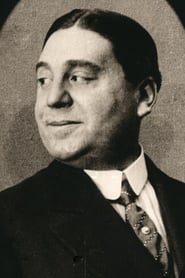
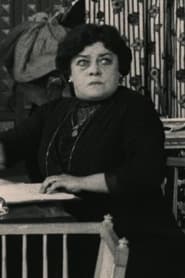
- Its cast includes Valentine Petit and Marie Dorly, both associated with the silent-era French screen.
- Because it is an early silent title, the original musical accompaniment would have varied by venue and projection context.
What Critics Said
Contemporary review coverage for this specific short is limited, and no extensive body of modern criticism appears to be widely available. Like many one-reel comedies of the period, it was likely received as light entertainment rather than as prestige art, appreciated for its brisk pacing and amusing situation. Modern historians tend to view the film primarily through the lens of Léonce Perret’s broader career and the development of Pathé-era narrative cinema. Its critical value today lies less in documented reviews than in its role as a surviving or cataloged artifact of early French screen comedy.
What Audiences Thought
Direct audience-response records are not known to survive for this film, which is common for early silent shorts. At the time of release, films of this type were generally designed for broad appeal and depended on clear visual comedy that could play well to mixed and international audiences. The train romance premise would likely have been accessible and entertaining to viewers because it combined recognizable modern travel with universal romantic tension. Its audience reception can therefore be inferred as favorable within the context of routine popular exhibition, though no specific box-office data is available.
Film Connections
Influenced By
- Stage farce and boulevard comedy traditions
- Early French trick and situation comedies
- Contemporary railway-themed popular stories
This Film Influenced
- Later train-set romantic comedies
- Subsequent French silent situation comedies
You Might Also Like
More from Léonce Perret
View allFilm Restoration
The film appears to be extant in archival records and catalog references, but detailed public information about surviving elements, restoration work, or preservation condition is limited. No widely documented modern restoration has been identified in standard reference sources. It should therefore be considered a rare early silent short with uncertain public availability rather than a commonly screened title.