Seminary Girls
"A most amusing and life-like scene."
Plot
Seminary Girls is a very early short comic actuality-style film built around a simple gag: a group of young women, shown in their nightclothes, are engaged in a lively midnight frolic. According to the surviving catalogue description from Maguire & Baucus, the scene is meant to be both amusing and lifelike, suggesting a staged but naturalistic domestic comedy rather than a narrative with character development. The film likely plays as a single, self-contained view in the manner of many late-1890s motion pictures, relying on movement, surprise, and the novelty of seeing private, playful behavior on screen. Its appeal would have come from the cheeky contrast between decorous “seminary girls” and the mischievous nocturnal behavior implied by the title and description.
Director
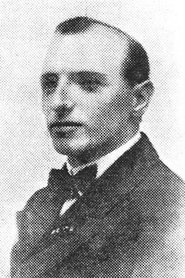
James H. WhiteAbout the Production
This is a 1897 short subject from the earliest phase of American motion-picture production, when films were typically made as single-shot scenes designed for exhibition in nickelodeons, vaudeville programs, and mutoscope/biograph showcases. The surviving description indicates a staged comic scene rather than a documented real event, with the humor derived from costume, physical business, and the mildly risqué premise of young women in nightrobes at play. James H. White was one of the key operators/directors in the Biograph organization, and films from this period were often made with a compact crew, minimal sets, and extremely brief running times. Precise shooting data, negative information, and surviving print details are generally unavailable for this title, which is typical for very early one-reel or sub-one-minute productions.
Historical Background
Seminary Girls was made in 1897, a pivotal year in the development of cinema when motion pictures were still a new mass entertainment and filmmakers were experimenting with subjects that could hold attention in very short running times. American film production was centered on novelty, motion, spectacle, and simple comic situations, and audiences were fascinated by scenes that appeared to capture real life while also offering playful fantasy. The late 1890s also saw competition among exhibition technologies such as the kinetoscope and mutoscope, and companies like American Mutoscope and Biograph were helping define the commercial future of moving pictures in the United States. In this context, a title like Seminary Girls fits neatly into the era's taste for light comedy, mild titillation, and easily understood visual gags that could work without sound or complex narrative structure.
Why This Film Matters
Although Seminary Girls is not a famous surviving landmark, it is culturally significant as a representative example of early American screen comedy and exhibition culture. Films like this helped normalize the idea that motion pictures could be used not only for actuality views of public events but also for staged domestic humor, social play, and lightly risqué amusement. The movie also illustrates early cinema's fascination with gendered spectacle: women in private or semi-private settings were often turned into comic or voyeuristic subjects for the camera. As a historical artifact, it helps scholars trace the evolution from one-shot comic scenes to more sophisticated narrative comedies in the following decade.
Making Of
Seminary Girls was produced during the infancy of motion-picture production in the United States, when filmmakers were still discovering what kinds of subjects worked best on the screen. James H. White, working in the Biograph environment, would have been part of a system in which short scenes were created quickly, often using simple staging, direct presentation to the camera, and performers arranged to maximize readable movement. The comedy likely depended on pantomime and visual rhythm rather than intertitles or dialogue, since neither had become standard practice in 1897. As with many films from this era, the making of the picture was probably straightforward and economical, but its historical interest lies in how it reflects the transition from filmed novelty to more intentional comic programming.
Visual Style
The cinematography was almost certainly typical of 1897 motion pictures: a fixed camera, proscenium-like framing, and action staged to read clearly in a single shot. Early Biograph films often emphasized full-body movement and broad gestures, so the visual style would have depended on performers moving within the frame rather than camera movement or editing. Lighting would likely have been bright and even, especially if shot on a controlled set or in a studio-like environment, to ensure clarity on early film stock. The film's title and description imply a scene structured around visual business and comic timing rather than image complexity.
Innovations
The film does not appear to be associated with a named technical innovation, but it is historically notable as part of the early Biograph output that helped establish efficient production of short comic scenes. Its significance lies in the use of the motion-picture medium to present a compact, readable, and marketable comic tableau. As with many 1897 films, the technical achievement was in the successful photographic capture of motion and the clear presentation of action on fragile early stock. It belongs to the broader technical evolution from kinetoscopic viewing toward projected cinema and public exhibition.
Music
As a silent film from 1897, Seminary Girls had no synchronized soundtrack. In exhibition, it would have been accompanied live by a pianist, organist, or small ensemble depending on the venue, with music chosen to match the comic mood. Any musical accompaniment would have been improvised or locally selected rather than standardized. No original score is known to survive.
Memorable Scenes
- The entire film functions as a single memorable comic scene: a group of young women in nightrobes engaged in a lively midnight frolic, staged for amusement and visual novelty.
Did You Know?
- The film is associated with James H. White, one of the early figures at the American Mutoscope and Biograph Company.
- Its title and catalogue description suggest a cheeky late-Victorian comic treatment of young women behaving mischievously after dark.
- The known synopsis comes from a Maguire & Baucus catalogue entry, which is an important source for many lost early films.
- Like many 1897 films, it was almost certainly a single-shot piece designed more for novelty and amusement than for elaborate storytelling.
- The film belongs to the formative period of American screen comedy, before standardized narrative editing became common.
- The surviving record indicates that the film was advertised as both 'amusing' and 'life-like,' reflecting the period's emphasis on motion-picture realism even in staged subjects.
- Because of the film's age and the fragility of early nitrate-era materials, no widely known surviving print is documented in standard references.
- Early films with playful or mildly risqué domestic situations were common exhibition fare and helped establish audience expectations for comic motion pictures.
- The film title uses the term 'seminary girls,' an older expression for young women students, which gives the title a polished, respectable veneer despite the comic premise.
What Critics Said
No substantial contemporary critical reviews are widely preserved for this title, which is common for a film of this date and scale. The extant documentation consists primarily of catalogue language describing it as amusing and life-like, implying that exhibitors expected it to succeed as a crowd-pleasing comic item rather than as a prestige work. Modern assessment treats the film mainly as a historical document of early screen comedy and early Biograph production practices. Its value today lies less in critical acclaim than in its usefulness for understanding how 1890s audiences encountered motion pictures and what kinds of subject matter distributors believed would sell.
What Audiences Thought
Specific audience records are not known, but the film was likely intended to provoke easy laughter and curiosity through a playful nocturnal scenario. In the exhibition context of the 1890s, short comic scenes often played well because they were immediately legible, did not require literacy, and offered a brief burst of visual amusement. The combination of youthful female characters, nightclothes, and midnight misbehavior would probably have been enough to make it memorable to contemporary viewers. Its very survival in catalogues suggests it was considered marketable within the competitive early film trade.
Film Connections
Influenced By
- Vaudeville comedy and stage farce
- Early photographic actuality films
- Late 19th-century comic tableaux
This Film Influenced
- Early American slapstick and situational comedy films
- Later domestic farce shorts of the 1900s
You Might Also Like
More Comedy Films
View allMore from James H. White
View allFilm Restoration
No widely confirmed surviving print is documented in standard public references; the film is generally treated as lost or at least not readily accessible.