Shattered
Plot
Set in a bleak winter landscape, Shattered follows a poverty-stricken railway trackman, his wife, and their daughter as they struggle to maintain dignity and stability in a remote isolated house. Their routine life is disrupted by a telegram announcing that a section inspector will come to stay with them, a development that introduces authority, class pressure, and emotional tension into the household. Once the inspector arrives, the family's fragile domestic balance begins to unravel, and small grievances and resentments spiral into a deeper moral and social breakdown. The film turns the family's confined home and harsh surroundings into a pressure cooker of deprivation, humiliation, and human weakness, culminating in a tragic downward spiral shaped by poverty and isolation.
Director
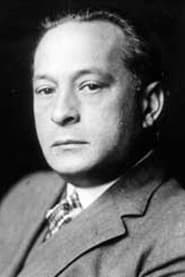
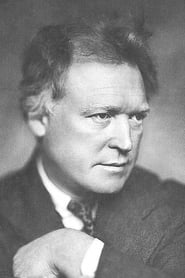
Lupu PickAbout the Production
Shattered is a German silent drama from the early Weimar era and is widely associated with the Kammerspielfilm tradition, which emphasized intimate psychology, working-class life, and restrained but emotionally intense storytelling. It was directed by Lupu Pick, one of the key figures in this movement, and written by Carl Mayer, whose screenwriting was central to several landmark German silent films. The production is notable for its stark, expressionistic use of winter scenery and domestic confinement, creating a mood of austerity and social pressure rather than spectacle. Detailed budget, box office, and surviving production records are not generally available in accessible sources, which is common for early 1920s German cinema.
Historical Background
Shattered was made in 1921, during the formative years of the Weimar Republic, a period marked by political instability, economic hardship, and intense artistic innovation in Germany. Cinema in this era often reflected the social anxieties of the time, and this film's focus on poverty, labor, authority, and domestic strain fits squarely within that context. It also belongs to a broader movement in German silent film that reacted against purely theatrical presentation and favored psychologically nuanced, socially specific narratives. The film matters historically because it shows how early Weimar cinema could address class tension and emotional breakdown through restrained visual storytelling rather than overt spectacle or fantastical distortion.
Why This Film Matters
Shattered is significant as a key work in the development of the Kammerspielfilm, or chamber drama, an important branch of German silent cinema that emphasized close observation of ordinary lives and psychological realism. Its cultural value lies in the way it transforms a small domestic situation into a critique of social hierarchy and material deprivation, using a working-class family to explore how authority and poverty deform intimate relationships. The film also demonstrates the growing sophistication of silent-era screenwriting and mise-en-scène in Germany, where carefully controlled visual composition could carry the full weight of the drama. For film historians, it remains an important example of how Weimar cinema was not limited to Expressionist fantasy but also produced austere, socially conscious works that helped shape modern realist filmmaking.
Making Of
Shattered emerged from the early Weimar cinema environment, when German filmmakers were experimenting with more intimate and socially grounded storytelling after the First World War. Lupu Pick collaborated with Carl Mayer, whose scripts often reduced melodramatic excess in favor of concentrated human conflict, and the film reflects that approach in its tightly controlled setting and relatively small cast. The production used winter imagery and isolated domestic spaces to heighten the emotional stakes, making the environment itself feel oppressive and central to the drama. Exact behind-the-scenes documentation is sparse, but the film is historically important because it helped codify a style of acting, framing, and narrative compression that influenced later chamber dramas and realist-leaning silent films.
Visual Style
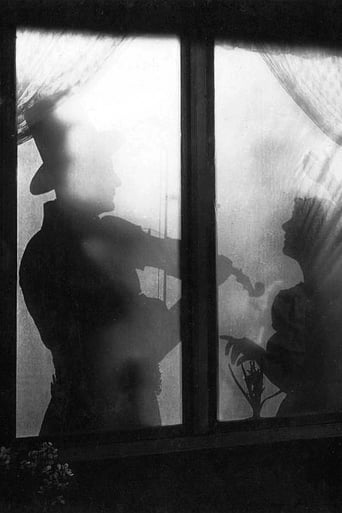
The cinematography of Shattered is notable for its stark visual severity and its use of environment as emotional expression. Winter landscapes, isolated architecture, and confined interiors create a sense of enclosure and hardship that mirrors the family's social position. The film's visual design aligns with the Kammerspielfilm preference for controlled composition, close attention to gesture, and a restrained but expressive use of light and shadow. Rather than relying on elaborate set pieces, it derives power from visual minimalism, psychological proximity, and the tension between the small domestic space and the vast, indifferent natural surroundings.
Innovations
The film's main achievements are aesthetic and dramaturgical rather than mechanical. It helped refine the chamber-drama approach in which a narrow setting, limited cast, and psychologically concentrated action could generate high dramatic intensity. Its disciplined use of framing, spatial confinement, and landscape as metaphor demonstrates an advanced understanding of visual storytelling in the silent era. The work is also important for showing how German cinema could convey social realism and emotional collapse without relying on the overt stylization of later, more famous Expressionist films.
Music
As a silent film, Shattered did not have a synchronized recorded soundtrack at the time of its original release. Musical accompaniment would have been provided live in theaters, and specific original scoring information is not reliably documented in widely available sources. Any modern screenings typically use reconstructed, newly commissioned, or venue-selected accompaniment. Because early silent presentation practices varied widely, there is no single definitive original score universally associated with the film.
Memorable Scenes
- The arrival of the telegram announcing that the section inspector will stay with the family, shifting the household from routine hardship into suspense and anxiety.
- The inspector's presence in the isolated house, which transforms the domestic space into a site of social pressure and emotional tension.
- The repeated contrast between the bleak winter exterior and the cramped interior of the family home, underscoring the characters' lack of escape.
- The gradual deterioration of the family's stability as small frustrations and resentments accumulate into a larger tragedy.
Did You Know?
- Shattered is often cited as a major example of the Kammerspielfilm, a German silent style focused on intimate, psychologically driven drama rather than the grand set-pieces of Expressionism.
- The screenplay is associated with Carl Mayer, one of the most important writers of Weimar-era German cinema.
- Lupu Pick was a crucial director in shaping the movement sometimes called chamber drama cinema, and this film is among the works used to define it.
- The film's premise centers on a railway worker and his family, a choice that grounds the drama in everyday labor and class hardship rather than aristocratic or fantastical subjects.
- Werner Krauss, one of the best-known German actors of the silent era, appears in the cast.
- The wintry setting is not merely atmospheric but functions as a visual metaphor for emotional desolation and social coldness.
- The film is known more for its historical importance than for commercial performance, and early box office data has not been reliably preserved.
- Because it is a silent film from the early 1920s, original music accompaniment would have varied by venue and surviving score information is limited.
- Shattered is sometimes discussed alongside other early Weimar domestic dramas for its emphasis on pressure within a cramped household space.
- The film survives in film-historical memory largely through critical writing and archival reference rather than widespread contemporary circulation.
What Critics Said
Contemporary reception details are not widely preserved in accessible modern reference sources, but the film has long been treated by film historians as an important artistic achievement of early Weimar cinema. At the time, it would have been viewed within a competitive German silent film culture that included both popular entertainment and more experimental, artistically ambitious works. In retrospect, critics and scholars tend to value Shattered for its disciplined direction, its social seriousness, and its contribution to the chamber-drama mode associated with Lupu Pick and Carl Mayer. Modern assessments typically place it among the foundational titles of psychologically intimate German silent film, even if it is less widely known to general audiences than later Expressionist landmarks.
What Audiences Thought
Specific audience-response records are scarce, which is typical for a 1921 silent film whose original exhibition history was not comprehensively documented. The film was likely encountered by contemporary viewers as a serious, austere drama rather than a mass-market entertainment, and its emphasis on poverty and emotional collapse would have made it especially intense for audiences of the time. Today, it is mainly seen by silent-film enthusiasts, archivists, and scholars rather than by mainstream audiences, and its reputation rests more on historical importance than on broad popular recognition.
Film Connections
Influenced By
- German stage realism and intimate domestic drama
- The emerging Kammerspielfilm movement
- Post-World War I social anxiety in Germany
- Literary naturalism and psychologically focused storytelling
This Film Influenced
- Later German chamber dramas of the Weimar era
- Psychologically intimate silent-era domestic tragedies
- Social realist cinema that uses confined spaces to intensify family conflict
You Might Also Like
More Drama Films
View allMore from Lupu Pick
View allFilm Restoration
Survives in film-history record and archival references, but detailed preservation or restoration information is not consistently available in widely accessible sources; the film is not widely circulated and is generally treated as a rare silent-era title rather than a commonly available mainstream classic.