The Clock-Maker's Secret
Plot
In this early trick-film fantasy, a town-crier gathers the townspeople and directs them to a posted manifesto announcing that, at four o'clock that very day, the Lord Mayor will receive bids for the construction of a town clock. The notice triggers civic excitement and curiosity, turning an ordinary municipal announcement into the starting point for a whimsical and mysterious chain of events. As with many films by Gaston Velle, the premise is simple but designed to showcase visual ingenuity, and the clock itself becomes the center of the film's atmosphere and plot movement. The story unfolds less like a realistic drama than a theatrical fantasy, with the promise of the clock and the surrounding public commotion providing the basis for spectacle, comic surprise, and possible magical transformation.
Director
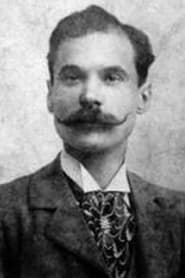
Gaston VelleAbout the Production
The film belongs to the French féerie and trick-film tradition of the 1900s, a period in which short one-reel fantasies were built around visual effects, theatrical tableaux, and playful narrative devices. Gaston Velle was one of Pathé's key early directors of magical comedies and fantasy films, and this title appears to have been mounted as a studio production rather than as a location-driven drama. Like many films from this era, it was likely produced with painted sets, staged crowd blocking, and in-camera effects or substitution tricks, though surviving documentation is limited. No reliable record of budget, shooting schedule, or a detailed production log has been identified in standard reference sources.
Historical Background
The film was made in 1907, when cinema was rapidly evolving from brief actualities and slapstick vignettes into more structured narrative forms. In France, companies such as Pathé Frères were dominating international film distribution, and their output strongly shaped the aesthetics of early world cinema. This was also the era in which trick films, féeries, and fantasy comedies remained highly popular, reflecting a public appetite for visual wonder and theatrical illusion. The Clock-Maker's Secret belongs to this formative moment when film was still closely tied to stage traditions, lantern-show spectacle, and fairground entertainment, yet was beginning to establish a distinct cinematic language.
Why This Film Matters
Although not among the most famous silent films, it is culturally significant as an example of early French fantasy cinema and of Gaston Velle's contribution to the development of screen illusion. Works like this helped define the possibilities of cinema as a medium for visual magic, playful narrative conceits, and miniature spectacles centered on everyday objects transformed into the extraordinary. It also illustrates how early film could turn civic life and municipal ritual into a source of amusement and fantasy, revealing the period's fascination with mechanization, public administration, and modern timekeeping. For historians, the film is valuable less for star power or awards than for what it shows about the style, production methods, and imaginative concerns of pre-feature European cinema.
Making Of
Very little detailed behind-the-scenes documentation appears to survive for this film, which is typical for many shorts produced in the silent era before studio record-keeping became systematic. What can be said with confidence is that it was made under the Pathé system, where directors like Gaston Velle specialized in quickly produced, visually inventive shorts intended for wide international circulation. The film likely relied on studio-controlled staging, theatrical composition, and optical or substitution effects rather than elaborate set construction. Its production context places it among the many early 20th-century French films designed to be immediately legible to audiences while still offering a sense of novelty and enchantment.
Visual Style
As a 1907 French short, the film likely uses the static, frontal staging and carefully arranged tableaux typical of the period, with an emphasis on clear spatial presentation rather than camera movement. Composition would have been designed to let the audience read the action immediately, especially in scenes involving public announcements and group reaction. If the film included any trick effects, they would likely have been executed through cuts, substitution, or staged illusion within a fixed frame. The visual style can be understood as theatrical but controlled, with an emphasis on decorative setting and the legibility of the central prop or event: the town clock and its associated announcement.
Innovations
The film does not appear to be associated with a major named technical innovation, but it is representative of early Pathé fantasy filmmaking, which often relied on sophisticated visual trickery for the time. Its likely achievements lie in the controlled staging of crowd scenes, the use of a highly legible public notice as a narrative trigger, and the possibility of illusion-based effects around the clock motif. Such films helped normalize cinematic devices like staged transformation, rapid visual surprise, and the integration of everyday objects into fantastical storytelling. Its value is therefore historical and stylistic rather than technological in the modern blockbuster sense.
Music
As a silent film, it had no recorded synchronized soundtrack. Like most films of its era, it would originally have been shown with live musical accompaniment, which could have ranged from a lone pianist to a small ensemble depending on the exhibition venue. No original cue sheet or composer is known from surviving documentation. Any music heard today in archival screenings or restorations is typically a later accompaniment chosen by preservationists or exhibitors.
Memorable Scenes
- The town-crier summoning the townspeople into a communal public gathering, establishing the film's civic-fantasy atmosphere.
- The moment the manifesto is read from the wall, turning an ordinary municipal notice into the catalyst for the film's mystery and spectacle.
- The anticipation centered on the Lord Mayor's scheduled receipt of bids, which gives the short its comic and narrative momentum.
Did You Know?
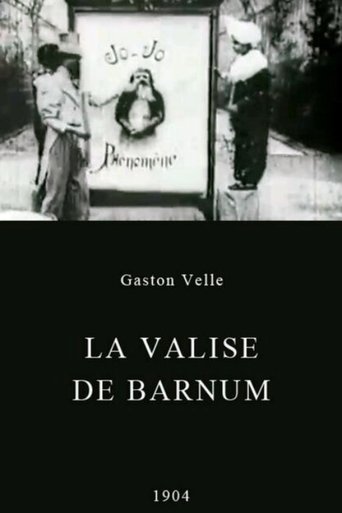
- The film is associated with Gaston Velle, a prominent Pathé filmmaker known for early fantasy and trick films.
- Its surviving plot description is extremely brief, which is common for many French films from the first decade of cinema.
- The title suggests a blend of municipal satire and fairy-tale-like wonder, a combination often found in early Pathé comic fantasies.
- The film was made during a period when cinema was still experimenting with narrative clarity and spectacular visual presentation rather than feature-length storytelling.
- The town-crier opening is a distinctly old-world storytelling device that immediately situates the film in a pre-modern civic environment.
- Because many films from 1907 survive only in fragmentary records, precise details such as cast, running time, and release date are often not firmly documented.
- Gaston Velle frequently worked in genres involving magic, transformation, and visual illusion, so this film fits comfortably within his known style.
- The movie is cataloged in modern databases under the exact 1907 title and should not be confused with later similarly themed films involving clocks or inventors.
- The film is an example of early French genre cinema where a simple premise could be used to create spectacle through the manipulation of objects and crowd scenes.
- Its emphasis on a public announcement and civic bidding process reflects how early cinema often drew humor and fantasy from everyday institutions.
What Critics Said
Contemporary critical responses are not well documented in surviving reference sources, and no substantial reviews are commonly cited for the film. At the time of release, films of this type were generally evaluated more by exhibitors and audiences than by formal criticism, with success determined by novelty, visual clarity, and entertainment value. Modern critical interest is largely historical and archival rather than celebratory in a mainstream sense; scholars regard it as part of Gaston Velle's body of early fantasy work and as a representative artifact of Pathé's production culture. Its current reputation rests on film-historical significance rather than on an extensive critical canon.
What Audiences Thought
Direct audience records are not available in the standard references consulted, but films like this were typically designed for broad popular appeal. Early 1900s audiences were drawn to short fantasies, visual surprises, and comic or magical transformations, so the premise of a town gathering around a mysterious clock-related announcement would likely have been easy to follow and amusing in exhibition. Reception would have depended heavily on the venue, the accompanist, and the wider program in which it was shown. In modern times, the film is chiefly encountered by archival researchers and silent-cinema enthusiasts rather than general audiences.
Film Connections
Influenced By
- French féerie traditions
- Stage magic and theatrical illusion
- Pathé fantasy short films of the early 1900s
- Urban comic sketches and civic satire
This Film Influenced
- Later French fantasy shorts that combined everyday settings with magical transformations
- Early silent comedies using public announcements or civic rituals as comic premises
- Subsequent trick films that centered on animated objects or fantastical machines
You Might Also Like
More Horror Films
View allMore from Gaston Velle
View allFilm Restoration
Preservation status is unclear from commonly accessible references; the film is documented in film databases, but a readily verifiable surviving print, restoration status, or archive holding is not clearly established in the sources consulted. It should therefore be treated as of uncertain survival unless an archive catalog specifically confirms a preserved element.