1901 · Approximately 1 minute

Also available on: YouTube
The Fantastic Plunger

The Fantastic Plunger

1901 Approximately 1 minute France
comic anti-climaxspectacle and reversalillusion and surprisephysical comedyearly cinematic novelty

Plot

A comic performer or diver prepares for a spectacular plunge into a body of water, building expectation around the promise of a daring aquatic feat. The anticipated dive is immediately undercut by the gag’s reversal: instead of remaining submerged or demonstrating a remarkable stunt, the diver pops back out almost at once, turning the action into a brief visual joke. The humor comes from the simplicity and timing of the effect, which plays like a tiny cinematic prank on the viewer. As a very short early trick comedy, the film consists less of a traditional narrative than of a single amusing premise carried to its punchline.

About the Production

Release Date 1901
Production Pathé Frères
Filmed In France

This is an early French comic trick film associated with Ferdinand Zecca’s work at Pathé Frères during cinema’s first years of experimenting with visual gags, novelty effects, and one-shot comic scenarios. The film is extremely short and was designed as a quick, easily legible attraction rather than a plotted story, relying on timing and the surprise of the gag for its effect. Because it predates standardized continuity filmmaking, the production likely used simple staging, a fixed camera, and minimal setup, with the emphasis placed on the performer’s action and the joke itself. It is also important that this title exists in more than one version in Zecca’s body of work, and this 1901 film should not be confused with the later remake Plongeur fantastique (1905).

Historical Background

Released in 1901, The Fantastic Plunger emerged during cinema’s formative period, when filmmakers were rapidly discovering how to turn moving images into comedy, fantasy, and visual illusion. At the time, French film production—especially through Pathé Frères—was central to the growth of international cinema, and short comic films were a major part of the marketplace. The film reflects a pre-feature era when screenings were composed of brief items, and a movie could succeed simply by delivering a sharp gag or marvel in under a minute. Historically, it matters because it shows the transition from filmed novelty toward more deliberate comic construction, helping establish the idea that cinema could create its own kind of joke through timing, movement, and reversal.

Why This Film Matters

Although minor in scale, the film is significant as an example of early screen comedy’s reliance on simple visual logic and instantaneous payoff. Works like this helped train audiences to read moving pictures not just as records of reality but as a medium capable of manufactured surprise, illusion, and comic timing. It also forms part of the early body of French trick and comic films that influenced the broader international development of slapstick and screen gag filmmaking. Today its importance is largely archival: it helps scholars trace Ferdinand Zecca’s output, Pathé’s early catalog, and the evolution of short-form cinematic humor before the feature film became dominant.

Making Of

The film belongs to the period when Ferdinand Zecca was helping define Pathé’s house style, producing short, efficient comedies that could be understood instantly by audiences regardless of language. Production values for films of this kind were typically modest, with sets, props, and performance engineered to support a single comic payoff. The filmmaking emphasis would have been on clarity of action, carefully timed movement, and the illusion of a simple trick or reversal rather than on editing complexity. Since no detailed contemporary production documentation is widely cited for this specific title, most behind-the-scenes understanding comes from its place within Zecca’s broader early comic output and the practices of Pathé’s turn-of-the-century production system.

Visual Style

The cinematography would have been characteristic of early 1900s studio or staged film practice: a static camera, centrally composed action, and minimal cutting. The visual style likely emphasizes legibility over realism, allowing the audience to follow the comic action in a single take. Any effect would have depended on performer movement, props, and timing rather than camera movement or elaborate editing. This straightforward approach is typical of early trick and comic films, where the image functions like a stage tableau animated by a single joke.

Innovations

The film’s principal achievement lies in its economy of comic construction: it turns a single action into a complete joke through timing and reversal. While not technologically groundbreaking in the sense of later special effects cinema, it belongs to the early tradition of cinematic trickery and visual sleight-of-hand that helped audiences see film as a medium of illusion. Its short format and direct punchline demonstrate an early mastery of gag structure that would become foundational to screen comedy. It also illustrates how early filmmakers could produce an effective comic payoff with very limited resources.

Music

As a silent film, it had no synchronized recorded soundtrack. In original exhibition, it would likely have been accompanied by live music from a pianist, small ensemble, or theater musician, depending on venue and local practice. The musical accompaniment would have been improvised or selected to match the comic tone and to underscore the timing of the gag. No original score is known to survive for this title.

Memorable Scenes

  • The entire film functions as one memorable scene: the diver commits to the plunge and then immediately reappears, transforming the expected stunt into a brief comic surprise.

Did You Know?

  • This film is one of the early comic curiosities of the silent era, built around a single visual gag rather than a developed plot.
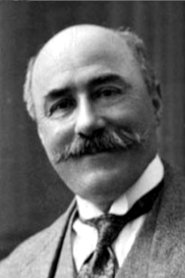
  • It is directed by Ferdinand Zecca, one of the key figures in early French cinema and a prolific maker of comic and trick films for Pathé.
  • The title refers to a fantastical diver, but the humor depends on anti-climax: the expected stunt is subverted almost immediately.
  • The film should not be confused with Zecca’s later remake, Plongeur fantastique (1905), which uses the same basic title idea in a later production.
  • As with many films of the period, it was likely exhibited as part of a mixed program of short actualities, comedies, and trick pictures.
  • Its surviving reputation today is largely archival and historical rather than based on widespread modern viewership.
  • Because it is so brief, it is often categorized more as a comic sketch or cinematic gag than as a conventional narrative film.
  • Early Pathé comedy films like this helped establish the company’s international reputation for accessible, visually clear entertainment.
  • The film reflects the early cinema fascination with spectacle, stunts, and the manipulation of audience expectation.

What Critics Said

Contemporary reviews specific to this title are not widely preserved or commonly cited, which is typical for many very short films from 1901. In its own period it would likely have been regarded as a light amusement and exhibition filler, judged on whether the gag landed effectively with audiences rather than on narrative sophistication. Modern critical interest is mainly historical and scholarly, with appreciation focused on its value as an early example of cinematic comedy and on Zecca’s role in shaping Pathé’s early output. It is now primarily discussed in film history contexts rather than as a mainstream reviewed classic.

What Audiences Thought

There is no detailed surviving audience-response record for this specific film, but films of this sort were generally designed for immediate, broad appeal. Early audiences tended to respond enthusiastically to short comic pieces, especially when they featured a simple surprise, stunt-like action, or a visual reversal that could be understood instantly. The film’s appeal would have rested on the universal accessibility of the gag, requiring no dialogue and very little setup. Its likely reception was as a brief, amusing novelty within a larger program of shorts.

Film Connections

Influenced By

  • Early stage music-hall and variety comedy
  • Turn-of-the-century trick films
  • Pathé comic shorts of the late 1890s and early 1900s

This Film Influenced

  • Later slapstick shorts built around a single gag
  • Early comic trick films that use anti-climax as a punchline

Film Restoration

The film is believed to survive in archival form, though it is obscure and not widely circulated; it is not commonly known as a restored mainstream title. Availability and print quality may vary by archive or catalog source.

Themes & Topics

diverjumpwatergagcomic reversalshort film