1943 · 6 minutes

Also available on: Wikimedia
The Gold Brick

The Gold Brick

1943 6 minutes United States
Military disciplineConsequences of lazinessSelf-deceptionWartime preparednessInstruction through comedy

Plot

Private Snafu is tempted to abandon his military training when a fairy appears and offers him an apparently easy shortcut to success. Encouraged by the magical figure, he decides that hard work and discipline are unnecessary and begins to dodge the rigorous regimen designed to make him combat-ready. The film follows Snafu’s increasingly lazy and misguided attempts to save effort, only to reveal that the fairy’s counsel is deeply self-serving and that his shortcuts leave him less prepared than ever. As the cartoon plays out, the lesson becomes clear: avoiding training for the sake of comfort or convenience can have serious consequences, especially in wartime. Like many Private Snafu shorts, the comedy is built around slapstick frustration, ironic reversals, and a moral ending that reinforces military discipline.

About the Production

Release Date 1943
Production Warner Bros. Cartoons, War Department
Filmed In Burbank, California, USA

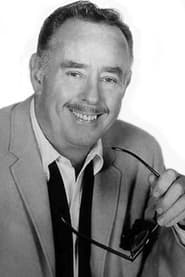
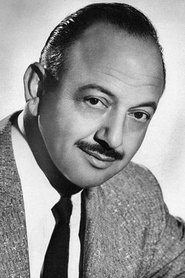
The Gold Brick is one of the wartime Private Snafu instructional cartoons produced by Warner Bros. for the U.S. Army during World War II. It was directed by Frank Tashlin, one of the key stylists of the studio’s animation unit and a filmmaker known for exaggerated visual comedy and pointed satire. The short was designed not for theatrical profit but as training and morale material intended for military audiences, which explains its unusually direct didactic purpose. Like other Snafu films, it features Mel Blanc voicing the title character and relies on fast-paced gags, caricatured behavior, and exaggerated animation to turn an instructional message into entertainment.

Historical Background

The Gold Brick was made in 1943, at the height of World War II, when the United States was mobilizing massive numbers of new soldiers and needed efficient ways to train them. Animated shorts were an ideal medium for military instruction because they could communicate practical lessons quickly, memorably, and with humor that softened the didactic message. The Private Snafu series emerged from this wartime environment and is historically important because it shows how Hollywood animation was harnessed for direct government purposes during the war. In cultural terms, the film belongs to a broader moment when cartoons were not just children’s entertainment but tools of persuasion, education, and wartime morale.

Why This Film Matters

Although The Gold Brick was never meant as a commercial release, it is significant as part of the Private Snafu series, which has become one of the most studied examples of wartime American animation. The short demonstrates how studio-era cartoon artistry could be adapted to military propaganda without entirely losing its comic edge, and it helped establish a model for humorous instructional media. It also contributes to the reputation of Frank Tashlin as a filmmaker whose work bridged animation and live-action comedy through visual exaggeration and satirical timing. Today, the film is of interest to animation historians, World War II scholars, and viewers interested in how popular culture served the war effort.

Making Of

The Gold Brick was created within the wartime collaboration between Warner Bros. and the U.S. military, a partnership that produced the Private Snafu cartoons to teach servicemen lessons in security, hygiene, discipline, and military procedure. Frank Tashlin, who had a strong background in gag construction and visual exaggeration, was well suited to the assignment because the cartoons had to be funny enough to hold attention while still delivering an explicit message. Mel Blanc’s voice performance gave Snafu a comic, everyman quality that allowed the character to function as both a fool and a stand-in for the average recruit. Like the rest of the series, the short was made quickly and economically, but it still benefited from Warner Bros.’s polished animation craftsmanship and sharp timing.

Visual Style

As an animated short, The Gold Brick does not have cinematography in the live-action sense, but it makes strong use of staging, timing, and visual exaggeration. The Warner Bros. unit often favored bold character poses, snappy movement, and tightly timed comic reactions, all of which would have served the film’s instructional joke structure. Frank Tashlin’s direction likely emphasized dynamic visual storytelling, with gags that escalate rapidly and compositions that keep the viewer focused on Snafu’s poor decisions. The style is expressive and efficient, using animation’s freedom to amplify embarrassment, temptation, and slapstick consequence.

Innovations

The Gold Brick is technically notable as part of the Warner Bros. wartime animation pipeline, which produced high-quality cartoons under constrained conditions for military use. Its achievement lies less in groundbreaking technology than in the efficient use of professional studio animation techniques to serve propaganda and training purposes. The film demonstrates how theatrical cartoon craftsmanship—fast timing, expressive faces, elastic motion, and synchronized sound—could be repurposed for instructional cinema. It also exemplifies the series’ ability to remain entertaining while delivering a clear behavioral lesson.

Music

The short uses the musical and sound-effects style typical of Warner Bros. wartime cartoons, with energetic scoring that supports the timing of gags and the film’s brisk pace. Specific composer credit is not consistently documented in readily available summaries, but the music would have been designed to underscore comic beats, transitions, and moral punchlines. Like many Private Snafu films, the soundtrack is an important part of the film’s rhythm, helping turn military instruction into a lively cartoon performance. Voice work by Mel Blanc is central to the experience, giving the character personality, comic timing, and a distinctly American wartime slang-inflected sound.

Famous Quotes

I couldn't verify any widely documented standalone quotes from this short beyond the film’s military training dialogue and Snafu’s comic exchanges.
No reliably sourced signature quotation is commonly cited for this title.

Memorable Scenes

  • Snafu is lured away from his training by the fairy’s tempting promise of an easier path, establishing the short’s central comic trap.
  • A series of escalating comedic beats shows Snafu trying to avoid effort, only to make himself less prepared and more vulnerable.
  • The closing moral reversal underlines the danger of trying to cheat the system, a classic Private Snafu punchline structure.

Did You Know?

  • The Gold Brick is part of the Private Snafu series, a line of military training cartoons created during World War II for the U.S. Army.
  • The title refers to the slang term 'goldbrick,' meaning someone who avoids work or tries to shirk responsibility.
  • Frank Tashlin brought a highly cinematic, gag-driven approach to the short, helping distinguish it from more conventional instructional films.
  • Mel Blanc voiced Private Snafu, using the same comic vocal energy that made him one of the most recognizable performers in American animation.
  • Private Snafu cartoons were generally shown to servicemen only and were not intended for the general public during the war.
  • The series was notable for combining propaganda, education, and slapstick comedy in a form that was deliberately irreverent.
  • The short reflects wartime concerns about discipline, readiness, and the danger of taking military training lightly.
  • Because it was made for the armed forces, the cartoon was produced under unusual government-sponsored conditions rather than normal studio exhibition logic.
  • Frank Tashlin later became known in live-action filmmaking for visually elaborate comic staging, a sensibility visible in his animation work here.
  • The film is a typical example of the Private Snafu series’ tendency to use a character’s mistakes as a cautionary example for enlisted viewers.

What Critics Said

Contemporary criticism of The Gold Brick is difficult to document in the usual theatrical-review sense because it was produced for military circulation rather than general cinema exhibition. Within the wartime context, the Private Snafu cartoons were generally regarded as effective, amusing training aids, and they were valued for making military instruction more palatable. Modern critical interest tends to focus less on the short as a standalone entertainment and more on its role in animation history, wartime propaganda, and the careers of Frank Tashlin and Mel Blanc. Today it is often praised for its ingenuity, comic timing, and the way it transforms an institutional message into a lively cartoon.

What Audiences Thought

The intended audience was American servicemen, and the series was reportedly well received because it spoke in a playful, informal tone that contrasted with standard military lectures. By making the title character a habitual screw-up, the films allowed soldiers to laugh at bad behavior while internalizing the lesson. The Gold Brick fit that formula by turning laziness and avoidance into comic punishment, which likely made the warning more memorable than a straightforward briefing. Outside the military, the short later gained attention as a historical curiosity and a representative example of wartime animation.

Film Connections

Influenced By

  • War-time instructional films
  • Military training manuals
  • Looney Tunes and Merrie Melodies comedic timing
  • Slapstick comedy traditions

This Film Influenced

  • Later military training films using animated satire
  • Postwar instructional cartoons that borrowed comic framing
  • Historical documentaries and retrospectives on WWII propaganda animation

Film Restoration

The film survives and is preserved as part of the surviving Private Snafu wartime cartoon corpus; it is available through archival and home-video circulation rather than being considered lost. Like many military training shorts, it has been preserved primarily through collections and historical film archives rather than mainstream theatrical preservation programs.

Themes & Topics