Also available on: Archive.org

The Red Chrysanthemum

1912 France
CourtshipRomantic rivalrySocial flirtationComic misunderstandingGender competition

Plot

The Red Chrysanthemum is a short romantic comedy built around a simple courtship contest: two young suitors each try to win the favor of the same girl by presenting her with flowers. Their rival gestures become the basis for playful misunderstanding, comic competition, and escalating attempts to outdo one another. As the flower-giving escalates, the girl's reactions and the suitors' behavior shape the humor, while the film gently satirizes masculine vanity and the rituals of flirtation. In keeping with early 1910s French comic-romantic filmmaking, the story is concise, visual, and driven by expressive performance rather than elaborate intertitles or dialogue.

About the Production

Release Date 1912
Production Pathé Frères
Filmed In France

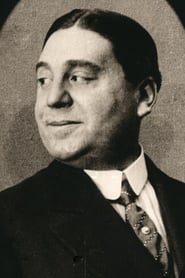
The film was made during the period when Léonce Perret was working as both a director and a performer in French silent cinema, a common practice in the early Pathé production system. As a 1912 short subject, it was likely produced quickly and economically on studio-controlled sets or simple exterior locations, with emphasis on graceful acting, visual clarity, and succinct narrative setup. No surviving production records appear to document a specific budget, box office return, or exact filming site, which is typical for many films from this era. The casting of Suzanne Grandais and Léonce Perret suggests that the film drew on recognizable Pathé talent to attract audiences to a light, contemporary-themed romantic comedy.

Historical Background

The Red Chrysanthemum was released in 1912, a year when cinema was rapidly transforming from a novelty medium into a major international entertainment industry. In France, companies like Pathé were central to the industrialization of film production and distribution, exporting shorts across Europe and beyond. This was also the period just before feature-length narrative cinema became standard, so short comic-romantic films still played a major role in programming and audience expectations. The film reflects the social and cinematic values of its time: flirtation is staged through public gestures, classically composed tableaux, and light moral comedy rather than psychological realism. Its survival in filmographic records is important because such shorts illustrate how early cinema handled everyday social rituals with economy and visual wit.

Why This Film Matters

While The Red Chrysanthemum is not a major canonical title, it is culturally significant as a representative early French silent short that reveals how romance and comedy were being developed on screen in the years before the feature film fully dominated. It contributes to the study of Léonce Perret's career, which later became important in the evolution of sophisticated French filmmaking and screen direction. The film also helps document Suzanne Grandais's stardom and the Pathé production model, both of which were influential in shaping audience taste and the international reach of French cinema. For historians, such films are valuable because they preserve the tone, social manners, and performance styles of pre-World War I screen entertainment. The film's modest scale is itself part of its importance: it demonstrates how early cinema could turn a tiny premise into an appealing, marketable dramatic episode.

Making Of

The Red Chrysanthemum belongs to the early phase of French studio filmmaking when Pathé and similar companies produced large numbers of short subjects for international circulation. Léonce Perret was part of the generation of filmmakers who helped refine screen acting and visual storytelling during the silent era, and his involvement both behind and in front of the camera would have given the production a compact, efficient working style. Suzanne Grandais's presence would have helped anchor the film with a recognizable star image, especially for audiences accustomed to seeing her in polished, fashionable roles. No detailed behind-the-scenes reports survive in common film histories, but the film's modest scale suggests a production shaped by speed, clarity, and charm rather than elaborate set construction or technical experimentation.

Visual Style

The cinematography would have followed the early French silent style: static or lightly animated camera placement, carefully arranged tableau compositions, and clear spatial staging to keep the action readable. Since the film is a short romantic comedy, visual emphasis would likely fall on gesture, facial expression, and the physical exchange of flowers rather than on complex camera movement. The look of the film was probably clean and theatrical, with an emphasis on costume, performance, and blocking. Any visual humor would have been derived from timing within the frame and the contrast between the suitors' actions and the girl's reactions.

Innovations

The film does not appear to be associated with major technical innovations. Its significance is instead in its polished use of early narrative shorthand, efficient comic staging, and the professional standards of Pathé production. In 1912, even modest shorts could showcase carefully arranged performance and legible screen direction, and this film likely exemplifies that craftsmanship. Its enduring value is archival rather than technological, preserving the language of silent comic-romance before feature filmmaking standardized different production norms.

Music

As a 1912 silent film, The Red Chrysanthemum had no synchronized soundtrack. It would have been exhibited with live musical accompaniment selected by the theater, commonly piano, small ensemble, or organ depending on venue and region. No original cue sheet or commissioned score is widely documented for the film. Any modern presentation would rely on archive-curated accompaniment or newly composed silent-film music.

Memorable Scenes

  • The central flower-bearing competition in which the two suitors attempt to outshine each other in winning the girl's affection through increasingly pointed gestures.
  • The comic contrast between the suitors' self-importance and the girl's reaction to their attempts at courtship, which gives the film its light satirical tone.

Did You Know?

  • The film is a very early example of Léonce Perret balancing directing duties with on-screen performance, something he did frequently in silent-era France.
  • Suzanne Grandais was one of the notable French screen personalities of the early 1910s and often appeared in elegant, popular melodramas and comedies.
  • The story premise is extremely economical, reflecting the short-form narrative style common in 1912 before feature-length plotting became dominant.
  • The title references a flower, which suggests the importance of symbolic courtship gestures in the film's comic setup.
  • Because the film dates from the pre-feature era, it would have been shown as part of a mixed program rather than as a standalone evening attraction.
  • The film is associated with Pathé, one of the major companies shaping international silent cinema distribution in the early 20th century.
  • Like many films of its period, it likely relied on expressive pantomime and staging rather than intertitle-heavy storytelling.
  • Surviving documentation on the film is sparse, which makes it more of an archival title than a widely circulated repertory staple.

What Critics Said

Contemporary critical reviews specific to The Red Chrysanthemum are not readily documented in widely accessible sources, which is common for short silent films from 1912. The film likely received attention, if at all, as part of Pathé's general output rather than through the kind of individual criticism later features would attract. In retrospect, film historians would approach it primarily as an artifact of early French studio comedy-romance and as part of the careers of Léonce Perret and Suzanne Grandais. Its modern critical value lies less in famous acclaim than in its usefulness for studying acting style, narrative compression, and the commercial aesthetics of pre-feature cinema.

What Audiences Thought

Specific audience-response records are not known, but the film was produced for the broad public that flocked to short silent subjects in the early 1910s. A simple comic-romantic premise involving competing suitors and flowers would have been immediately legible and entertaining to contemporary viewers. The film likely appealed to audiences who enjoyed elegant, genteel humor and recognizable screen performers in concise narratives. As with many Pathé shorts, its success would have depended on its ability to function effectively within varied exhibition programs rather than on individual prestige.

Film Connections

Influenced By

  • French stage comedy traditions
  • Early Pathé comic shorts
  • Popular courtship farce

This Film Influenced

  • No specific later films can be reliably attributed as direct influences from this short

Film Restoration

Preservation status is uncertain in widely available public records. The film is documented in catalogues and databases, but no widely confirmed restoration, complete surviving print, or official lost-film designation is readily established from standard reference knowledge. It should therefore be treated as a historic early silent title with unclear archival availability unless verified by a specific film archive or collection.

Themes & Topics