1912 · Approximately 1 reel; exact running time unknown

Also available on: Archive.org
Thirty Days at Hard Labor

Thirty Days at Hard Labor

1912 Approximately 1 reel; exact running time unknown United States
Courtship and parental approvalWork as a test of characterMasculinity and perseveranceComedy through humiliationRomantic loyalty

Plot

Jack, a young suitor with little standing in the eyes of Beatrice's family, is told that he must prove his worth before her father will permit the courtship to continue. To win approval, Jack is put to work under humiliating and demanding conditions, enduring a string of comic labor-related trials designed to test his character, stamina, and devotion. The film builds its comedy around Jack's attempts to complete the imposed challenge while still preserving his dignity and the affection of Beatrice. As the ordeal progresses, the obstacles become increasingly absurd and physically taxing, but Jack's persistence and good nature eventually demonstrate that he is worthy of trust. The story resolves as a romantic comedy of perseverance, with the hard labor serving less as punishment than as a trial by which true character is revealed.

About the Production

Release Date 1912
Production Kalem Company
Filmed In United States

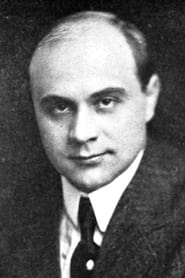
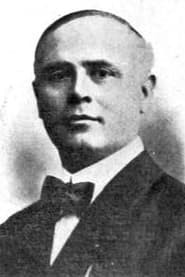
Thirty Days at Hard Labor is a short silent-era comedy-drama produced in the early years of American filmmaking, when many releases were made quickly on modest budgets and exact production records were often not preserved. It was directed by Oscar Apfel, an important early filmmaker who worked in the transitional period when one-reel narrative films were becoming more sophisticated in structure and staging. The cast includes Robert Brower, Mary Fuller, and Harold M. Shaw, all associated with the early studio system and the repertory style of silent-film production. Because detailed studio paperwork for many 1912 films has not survived, precise information on budget, exact shooting schedule, and specific set locations is unavailable. The film is representative of the kind of brief, character-driven melodramatic comedy that studios like Kalem regularly produced for the nickelodeon market.

Historical Background

Thirty Days at Hard Labor was produced in 1912, a formative year in American cinema when the industry was rapidly moving from brief novelty attractions toward more sophisticated narrative storytelling. This was the period of nickelodeon exhibition, when short films were distributed widely to working-class urban audiences who attended frequent, inexpensive screenings. Studios such as Kalem were refining the language of continuity, performance, and visual comedy, while the star system was still emerging. The film also belongs to an era when American social attitudes toward labor, masculinity, and courtship were often expressed through melodramatic or comic tests of endurance. Its premise reflects a society fascinated by work ethic as a moral measure, especially in stories where romantic legitimacy must be earned through action rather than simply declared.

Why This Film Matters

Although not a widely known title today, Thirty Days at Hard Labor is culturally significant as a representative artifact of early 20th-century American screen comedy-drama. It illustrates how silent films encoded social values about masculinity, family approval, and romantic merit into light entertainment. The film also helps document the work of Oscar Apfel and the Kalem Company at a moment when the American film industry was standardizing genres and narrative formulas that would influence later feature comedies and romantic farces. For historians, titles like this are valuable because they show how common storytelling patterns evolved before the classical Hollywood style fully solidified. Even if the film is not famous in the popular sense, it contributes to the broader history of how cinema depicted class, labor, and courtship in the silent era.

Making Of

As with many films from 1912, behind-the-scenes documentation is sparse, but the production fits squarely within the Kalem Company’s fast-moving silent-era pipeline. Oscar Apfel was working during a period when directors had to stage clearly readable action for audiences who depended on visual storytelling and intertitles. The casting of Mary Fuller suggests a production aimed at giving audiences a familiar romantic lead, while Robert Brower likely provided the paternal authority figure or dramatic counterweight. Early silent productions often relied on economical sets, minimal retakes, and compact storytelling, so the film would have been assembled to communicate its premise efficiently within a single reel. The fact that the film mixes comedy, drama, and romance reflects the era's tendency to blend tones rather than strictly separate genres.

Visual Style

The cinematography would have been characteristic of early 1910s silent filmmaking: static or lightly adjusted camera setups, clearly framed action, and staging designed to maximize legibility for distant nickelodeon audiences. The film likely relied on tableau-style composition and moderate depth staging, with actors performing broadly enough to communicate emotion and status without dialogue. Because surviving technical documentation is limited, specific camera innovations cannot be verified, but the visual style would almost certainly have favored clarity, pacing, and strong blocking over elaborate movement. Early Kalem productions often emphasized straightforward narrative presentation, and this film would have been photographed in that practical, efficient mode.

Innovations

No major technical innovations are specifically associated with this title, but it belongs to the important early period when narrative continuity, performance clarity, and editing rhythms were becoming standardized in American cinema. Its technical significance lies in its example of efficient one-reel storytelling, combining multiple tones within a compact structure. Films like this helped normalize the use of visual comedy and domestic melodrama in short-form storytelling, paving the way for more elaborate narrative construction in later years. The production also reflects the industrial methods of the Kalem Company, which helped professionalize studio output during the silent era.

Music

As a silent film, Thirty Days at Hard Labor had no synchronized recorded soundtrack. In its original exhibition, it would have been accompanied by live music, typically a pianist, organist, or small ensemble depending on the venue. Musical selection would have been improvised or drawn from cue sheets and common repertory pieces to match the comic, romantic, and dramatic turns of the story. Any modern presentation would depend on archival reissues, restorations, or house accompaniment rather than an original scored soundtrack.

Memorable Scenes

  • Jack undergoing a series of increasingly absurd and punishing tasks to prove his suitability as Beatrice's suitor.
  • The father's final judgment scene, in which the labor trial functions as a test of Jack's sincerity and endurance.
  • The romantic resolution, where the ordeal ends with the couple's future made secure after the comic challenge is completed.

Did You Know?

  • The film is an example of an early 1910s one-reel production, a standard format for commercial silent films before feature-length features became dominant.
  • Oscar Apfel was one of the early Hollywood figures who helped shape narrative filmmaking in the United States, both as a director and as a collaborator with major studios of the period.
  • Mary Fuller was a notable silent-era actress who became one of the Kalem Company's recognizable leading ladies in the years before the feature-star system fully matured.
  • Harold M. Shaw, listed in the cast, later became a director and was active in early international filmmaking as well as American cinema.
  • The film's central premise reflects a common comic-romantic plot device of the era: the suitor must prove himself through ordeals set by a skeptical father or guardian.
  • Like many 1912 films, it was likely exhibited with live musical accompaniment and intertitles rather than synchronized sound.
  • The title suggests a labor punishment or endurance challenge, but surviving descriptions indicate the story is handled as a comedy-drama rather than a grim social-realist work.
  • Because many early shorts were not archived systematically, the film survives mostly through catalog records, cast listings, and contemporary indexing rather than extensive production documentation.
  • Its inclusion in modern film databases reflects ongoing preservation interest in early narrative shorts even when prints may be incomplete or lost.
  • The film is sometimes discussed in the context of early studio-era gender and courtship narratives, where male worth is proven through work, endurance, or public competence.

What Critics Said

No substantial contemporary review record has survived in widely accessible form, which is common for short films from 1912. The film was likely reviewed, advertised, or listed in trade publications at the time, but the surviving critical consensus is limited by the fragmentary nature of early film journalism and preservation. In modern terms, the film is primarily of interest to historians rather than general critics, who tend to evaluate it as part of the early silent-era output of Kalem and Oscar Apfel. Where it is discussed today, it is usually in archival or filmographic contexts rather than as a title with a large body of interpretive criticism. Its reputation is therefore based more on historical placement and personnel than on widely circulated critical commentary.

What Audiences Thought

Audience reception is difficult to reconstruct precisely because box office records and detailed audience surveys from 1912 are generally unavailable. As a short comedic-romantic film, it was likely designed to provide immediate entertainment to nickelodeon audiences who enjoyed brisk, readable stories with familiar domestic conflict. Films of this type were typically received as part of a varied program rather than as standalone prestige events, so their success often depended on how well they played within a larger bill. The premise of a young man being forced through comic labor to earn approval would likely have been easily understood and broadly accessible to contemporary viewers. Today, its audience is mainly archival and scholarly, with interest concentrated among silent-film enthusiasts and early cinema researchers.

Film Connections

Influenced By

  • Stage farce and comic courtship stories
  • Early silent melodramas involving parental obstacles to romance
  • Nickelodeon-era one-reel comedy conventions

This Film Influenced

  • Later silent romantic comedies built around proving oneself to a skeptical family
  • Domestic farces in which a suitor must endure comic trials to win a bride

Film Restoration

Survival status is uncertain from readily available public records; the film is documented in filmographic sources, but a complete surviving print is not widely confirmed in standard reference materials. If extant, it is likely held in archival collections or as a fragmentary record rather than as a commonly circulating restoration. For practical purposes, it should be treated as a scarce early silent title with limited public access.

Themes & Topics

courtshiplabor testfather's approvalsilent comedyromantic challengeperseverance