Three Brave Frogs
Plot
Three Brave Frogs is a short Japanese animated fantasy in which a small group of frogs set out on a perilous adventure and use courage, wit, and cooperation to overcome danger. The film follows the classic fairy-tale logic suggested by its title: three seemingly modest heroes face a much larger threat and prove that bravery is not a matter of size. As in many of Noburô Ôfuji's early animated works, the story is told with visual simplicity and a strong emphasis on movement, symbolic imagery, and rhythmic action rather than elaborate dialogue. The plot is compact and allegorical, and the film's appeal lies as much in its handcrafted animation style as in the basic moral of the tale.
Director
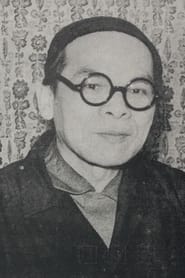
Noburô ÔfujiAbout the Production
Three Brave Frogs was created during the formative era of Japanese animation, when independent animators such as Noburô Ôfuji were experimenting with paper cutout and silhouette techniques rather than the cel animation that would later dominate the medium. Like much of Ôfuji's early work, it was made on a modest scale and designed as a short, visually inventive piece rather than a commercially ambitious feature. Surviving documentation on the production is limited, which is typical for many early 1930s Japanese animated shorts. The film is significant primarily as part of Ôfuji's body of work, which helped establish an indigenous animation tradition in Japan distinct from imported Western models.
Historical Background
Three Brave Frogs was produced in 1933, during a transitional period in Japanese film history and in the broader political climate of the early Shōwa era. Japan was modernizing rapidly while also moving toward increasing militarization and nationalism, and cinema was becoming an important mass medium for entertainment, education, and cultural expression. Animation in this period was still a small field, but it was gaining artistic legitimacy through the efforts of pioneers like Noburô Ôfuji, who were building a uniquely Japanese animated tradition using locally rooted aesthetics and techniques. The film matters historically because it belongs to the generation of early works that helped establish animation as a serious creative form in Japan before the wartime years transformed media production.
Why This Film Matters
The film's main cultural importance lies in its place within the early history of Japanese animation and in Noburô Ôfuji's legacy as an innovator. Ôfuji's work helped demonstrate that animation could be used to tell folk-like, symbolic stories in a visually distinctive way, contributing to the emergence of an animation culture in Japan with its own artistic vocabulary. Although Three Brave Frogs is not among the most widely discussed Japanese animated titles today, it is part of the foundational canon that historians examine when tracing the development of the medium. For modern audiences and researchers, the film represents the fragile but crucial early stage of animation history, when independent artists were inventing methods, styles, and storytelling conventions that would influence later generations.
Making Of
Three Brave Frogs was made at a time when Japanese animation was still largely an artisanal practice, with small teams or even individual creators producing shorts using inexpensive materials and highly manual processes. Noburô Ôfuji became famous for working outside the industrial studio system that would later standardize animation production, and his films often relied on cut-paper imagery, silhouette effects, and strong graphic composition to generate motion economically. That approach was both practical and aesthetic: it reduced production costs while giving the films a distinctive visual identity that set them apart from live-action cinema and imported cartoons. Detailed surviving behind-the-scenes records for this specific short are limited, but its existence reflects Ôfuji's broader role as an experimenter who helped define what Japanese animation could look like in the early 20th century.
Visual Style
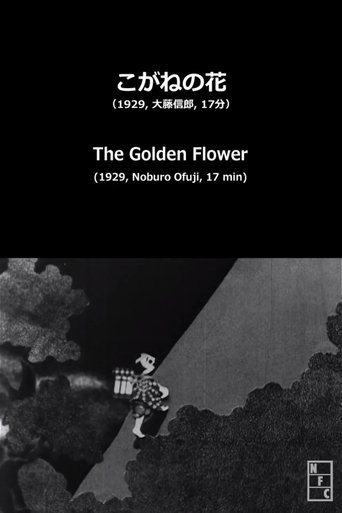
The film's visual style would have been shaped by Noburô Ôfuji's signature preference for graphic, handcrafted animation techniques rather than photographic cinematography in the conventional live-action sense. Early Ôfuji works are known for strong silhouette design, cutout animation, and economical yet expressive movement, producing a strikingly decorative look. The emphasis is typically on bold shapes, clear staging, and rhythmic transformation, allowing simple materials to create charm and narrative clarity. Even without detailed frame-by-frame documentation for this specific title, the film almost certainly reflects the minimalist elegance associated with Ôfuji's early animation practice.
Innovations
Three Brave Frogs is technically notable as part of Noburô Ôfuji's early experimentation with low-cost but visually expressive animation methods. Ôfuji was an important pioneer in the use of cutout and silhouette techniques in Japan, and works from this period helped prove that animation could be produced artistically without the resources of a large studio. The film's significance is not based on large-scale technical spectacle but on the refinement of a handmade approach that gave Japanese animation an identity separate from imported Western cartoons. Its importance also lies in its survival within the historical record as evidence of early 1930s animation practice in Japan.
Music
Specific surviving information about the original score or musical accompaniment for Three Brave Frogs is limited. As a 1933 short, it may have been screened with live musical accompaniment or a contemporaneous recorded track depending on venue and exhibition practice, but precise documentation is not widely available. Early Japanese animation often relied on music to support pacing and tone, especially in fantasy or folktale material. If a score existed for the film's original release, it has not been broadly documented in accessible modern references.
Memorable Scenes
- The three frogs setting out together on their adventure, visually establishing the film's central theme of unity and bravery.
- A confrontation with a larger danger that forces the tiny protagonists to rely on quick thinking rather than strength.
- The final resolution, which likely reinforces the folktale moral that courage and cooperation can overcome fearsome odds.
Did You Know?
- The film is a short animated work by Noburô Ôfuji, one of the foundational figures in Japanese animation.
- Its title suggests a simple fable structure, and the film belongs to the tradition of moral and folktale-inspired animation.
- Ôfuji was especially known for experimental hand-crafted animation methods, including paper cutouts and silhouette imagery.
- Early Japanese animated shorts from this period often survive only in fragmentary documentation, so precise production records can be scarce.
- The film dates to the prewar era, when Japanese animation was still developing its identity and production infrastructure.
- Ôfuji's films are historically important because they helped demonstrate that animation in Japan could be artistically distinctive rather than merely imitative of foreign examples.
- The story premise of three small protagonists facing danger fits the era's preference for concise, symbolically clear short-form narratives.
- Because this is an early 1930s short, contemporary reception details are not widely documented in English-language sources.
- The film is cataloged in modern databases under its English title, but it belongs to the early Japanese animated cinema canon.
What Critics Said
Contemporary critical reception is not well documented in widely available English-language sources, which is common for early Japanese shorts from this period. Historically, films like Three Brave Frogs were often evaluated more as novelties or artisanal works than as objects of extensive criticism, especially outside Japan. In modern scholarship, however, Ôfuji's early animation is generally recognized as highly significant for its craftsmanship, independence, and contribution to Japanese animation history. The film is likely valued today less for plot complexity than for its historical importance and the preservation of an early experimental aesthetic.
What Audiences Thought
Audience reception data is not readily available, and no reliable box office or attendance records are commonly cited for this short. As an early animated piece, it would most likely have been shown in limited exhibition contexts rather than receiving the broad commercial release associated with feature films. For contemporary viewers, especially animation historians and classic film enthusiasts, the film's appeal lies in its rarity, its hand-made visual style, and its place in the origins of Japanese animation. Its audience today is primarily archival, scholarly, and cinephile rather than mainstream.
Film Connections
Influenced By
- Japanese folktale and fable traditions
- Early European and American animated shorts
- Paper cutout and silhouette art traditions
This Film Influenced
- Later Japanese animated shorts using cutout and silhouette techniques
- The broader body of early Japanese fantasy animation
You Might Also Like
More Animation Films
View allMore from Noburô Ôfuji
View allFilm Restoration
Preservation status is uncertain in widely accessible sources. The film is documented in film databases and historical references, but detailed public information about whether a complete print survives, whether it has been restored, or where archival elements are held is limited. Like many early Japanese animated shorts, it may exist in archive holdings rather than in general circulation. In the absence of clear public documentation, it should be treated as an early film with uncertain but historically significant preservation status.