1915 · Approximately 10-15 minutes; exact surviving running time is not consistently documented

Also available on: YouTube
Versus Sledge Hammers

Versus Sledge Hammers

1915 Approximately 10-15 minutes; exact surviving running time is not consistently documented United States
Greed and opportunismCourtship and marriage as social comedyInheritance and sudden wealthSmall-town social dynamicsMistaken motives and farcical disguise

Plot

In Snakeville, a count arrives carrying a letter that announces matronly Margaret Joslin has inherited a large sum of money. Sensing an opportunity, he immediately begins courting her in hopes of marrying into the fortune, while the local men and the broader community are drawn into the comic chaos that follows. The situation becomes a farce of social climbing, flirtation, and misunderstanding, with Ben Turpin and Harry Todd helping drive the escalating slapstick complications. As is typical of the Snakeville comedies, the premise is built around exaggerated rural characters, romantic scheming, and broad physical humor rather than elaborate plotting, with the inheritance letter serving as the engine for the film's comic reversals.

About the Production

Release Date 1915
Production American Film Manufacturing Company
Filmed In United States, likely California studio lots associated with the American Film Manufacturing Company; no precise location is documented in surviving sources

Versus Sledge Hammers is a short comedy from the Snakeville series of rural farces associated with the American Film Manufacturing Company and director Roy Clements. Like many one-reel comedies of the era, it was designed to be concise, fast-moving, and dependent on stock comic types rather than elaborate sets or intertitles. Surviving documentation is limited, so detailed production records such as shooting schedule, exact set locations, or budget information are not known. The film belongs to a period when silent comedies were often produced in large quantities, making documentation fragmentary and preservation uneven.

Historical Background

Versus Sledge Hammers was released in 1915, when the American film industry was transitioning from short subjects toward longer feature films, yet comedy shorts remained a staple of theater programming. This was also the height of the silent era's reliance on physical performance, visual clarity, and broad types, because dialogue could only be conveyed through intertitles. Rural comedies like Snakeville offered urban audiences a stylized, often satirical version of small-town life, playing on stereotypes of gullibility, courtship, and social aspiration. The film therefore belongs to a broader historical moment in which comedy was not only entertainment but also a reflection of changing American attitudes toward class, wealth, mobility, and modernity.

Why This Film Matters

Although not a famous surviving classic in the way that feature comedies by Chaplin or Keaton later became, Versus Sledge Hammers is culturally significant as part of the early silent comedy ecosystem that trained audiences to understand recurring comic characters and rapid-fire visual storytelling. The Snakeville series helped develop the language of ensemble slapstick in a familiar community setting, a form that would echo in later television and film comedies centered on a local cast of eccentrics. The film also illustrates how early cinema frequently mined marriage, inheritance, and economic opportunism for humor, revealing long-standing cultural anxieties about money and romantic intention. For historians, such shorts are important evidence of how popular comedy was shaped before feature-length narratives dominated exhibition.

Making Of

Versus Sledge Hammers was made during the peak of the American one-reel comedy, when studios such as American Film Manufacturing Company specialized in rapidly produced shorts built around recurring characters and simple situations. Roy Clements worked within a production model that emphasized speed, physical business, and easily legible comic motivations, so the inheritance-and-courtship premise would have been staged for maximum clarity to a silent audience. The presence of Ben Turpin suggests the filmmakers were drawing on performers with established comic personas whose faces and physicality could sell a gag instantly. Detailed behind-the-scenes records do not survive in sufficient quantity to identify specific production anecdotes, but the film clearly reflects the efficient, assembly-line nature of early 1910s comedy filmmaking.

Visual Style

As a 1915 silent comedy short, the film would have relied on straightforward static or minimally moving camera setups that kept the action legible and emphasized performers' body language. The visual style of Snakeville comedies typically depended on wide framing to capture ensemble movement, entrances, chases, and slapstick business in a single view. Close-ups and elaborate montage were still less common in short comedies of this period, so comic timing would have been built through blocking, gesture, and on-set choreography. Any visual flair would likely have come from the performers' physical antics rather than from complex camera technique.

Innovations

The film does not appear to be associated with a specific technical innovation. Its significance lies instead in the efficient construction of silent slapstick timing, ensemble staging, and the use of recurring comic characters in a compact running time. As a 1915 one-reel comedy, it exemplifies the industrial standardization of silent production, where filmmakers had to tell a complete comic story with limited screen time and minimal explanatory title cards. For historians, the technical interest is in its format and surviving evidence of early comic narrative craft rather than in any single groundbreaking device.

Music

No original synchronized soundtrack survives, as the film was produced for silent exhibition. Like other silent-era shorts, it would have been accompanied in theaters by live music, often a piano or small ensemble, with accompaniment chosen by the exhibitor from cue sheets, stock music, or improvised performance. The exact original score or musical suggestions for this title are not currently documented in widely accessible surviving sources. Modern presentations, if any, typically use archival accompaniment created for silent comedy presentation.

Memorable Scenes

  • The arrival of the count in Snakeville with a letter announcing Margaret Joslin's inheritance, which triggers the film's central comic premise.
  • The count's immediate romantic maneuvering once he realizes the fortune has made Margaret a desirable target for marriage.
  • The escalating reaction of the Snakeville townspeople as the news of the inheritance spreads and draws everyone into the comic confusion.

Did You Know?

  • The film is part of the Snakeville comedy series, a rural slapstick cycle that turned a fictional small town into a recurring setting for broad comic situations.
  • Ben Turpin appears in the cast, adding one of silent comedy's best-known physical comedians to the film's farcical energy.
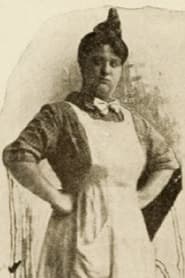
  • Margaret Joslin was a frequent screen performer in early western-comedy and rural comedy shorts, and this film uses her as the central comic figure around whom the inheritance scheme revolves.
  • The premise of a fortune suddenly arriving by letter was a common silent-era comic device because it created immediate motives for greed, romance, and mistaken intentions.
  • Roy Clements directed a number of short comedies in the 1910s, and this film reflects the quick-paced, gag-driven style associated with studio comedy production of the period.
  • Because it is a 1915 short, the film likely played as part of a mixed program rather than as a standalone feature, which was standard exhibition practice at the time.
  • Surviving records for many American Film Manufacturing Company shorts are incomplete, so details like exact release date, camera crew, and music cue sheets are often lost or inconsistently reported.
  • The title itself suggests the film's comic tone: 'sledge hammers' implies violent exaggeration or knockabout physicality even when the plot premise is centered on romance and inheritance.
  • Films like this helped establish the template for small-town ensemble comedy that later silent comics and serial shorts continued to use.
  • The Snakeville films are valuable to historians because they document early screen comedy conventions before feature-length narrative comedy became dominant.

What Critics Said

Contemporary critical coverage for many short comedies of this type was often brief, promotional, or absent from surviving records, and no substantial mainstream critical response specific to Versus Sledge Hammers is widely documented. In its own era, the film would likely have been assessed primarily as a program filler and audience-pleasing comedy rather than as an object of prestige criticism. Modern evaluation is likewise limited because the film is obscure and documentation is sparse, so it is usually discussed within the broader context of Roy Clements, the Snakeville series, and early American slapstick. As with many silent shorts, its reputation today depends more on historical interest than on sustained critical canonization.

What Audiences Thought

There are no well-preserved audience surveys or box-office records for this specific short, so direct evidence of reception is unavailable. However, films of this kind were generally designed for reliable laughter from mixed audiences, using recognizable character types and simple situational comedy that played effectively in vaudeville-era exhibition settings. The rural setting, comic suitor, and inheritance plot would have offered immediate accessibility to 1915 audiences accustomed to visual gags and broad characterization. Its continued cataloging by film databases suggests lasting archival interest, even if popular memory of the film itself is limited.

Film Connections

Influenced By

  • The broad farce traditions of vaudeville and stage comedy
  • Early American one-reel slapstick shorts
  • Rural comedy sketches and small-town burlesque

This Film Influenced

  • Later rural ensemble comedies
  • Subsequent silent-era slapstick shorts with inheritance or marriage schemes
  • Small-town farce formats seen in later screen comedy

Film Restoration

The survival status is uncertain in widely accessible reference sources; like many American silent shorts of the 1910s, it may be lost or survive only in incomplete archival holdings. No widely publicized restoration is known. Researchers should consult major film archives and catalog records for the most current preservation information.

Themes & Topics