Ingenious Soubrette
Plot
In this early fantasy trick film, two servants are seen in a parlor discussing the practical problem of hanging four framed pictures that are leaning against the wall on the floor. The butler, in a playful display of gallantry and cunning, suggests that the pretty parlor-maid should mount the step-ladder he quickly fetches from an adjoining room. Instead of using the ladder, the maid performs an impossible feat: she walks straight up the side of the wall and hangs the pictures herself with effortless grace. She then completes the act with a comic flourish, turning a somersault from the wall into a chair, emphasizing that the film is less about narrative realism than about playful visual illusion and theatrical surprise. The entire scene is brief but designed to astonish audiences with its magical transformation of ordinary domestic space into a stage for cinematic trickery.
Director
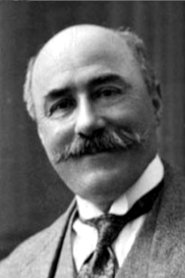
Ferdinand ZeccaAbout the Production
Ingenious Soubrette is an early short fantasy film associated with the trick-film tradition that flourished in French cinema at the turn of the century. Like many Pathé productions of the period, it was likely made on a studio stage or an enclosed glass-roof set that allowed controlled lighting for stop-trick and substitution effects. The film is notable for its simple domestic setup contrasted with an impossible visual gag, a hallmark of Ferdinand Zecca's popular early filmmaking style. Surviving documentation is limited, so detailed production records such as exact crew roles, budget, or shooting dates are not known with certainty.
Historical Background
Ingenious Soubrette was produced in 1902, at a formative moment when cinema was still defining its language and place in popular culture. In France, film production was dominated by companies such as Pathé and the work of pioneers like Ferdinand Zecca, whose films helped transform cinema from a fairground novelty into a mass entertainment medium. The early 1900s were also the height of the trick-film tradition, when audiences delighted in seeing the screen present feats that seemed to violate physical law. This film matters historically because it reflects the period’s experimentation with cinematic illusion and the blending of theatrical tropes with new screen technology. Its domestic setting and comic maid character also reveal how early films drew on familiar social types and stage traditions to make fantastical effects immediately legible to viewers.
Why This Film Matters
Although not one of the canonical masterpieces of early cinema, Ingenious Soubrette is culturally significant as a representative example of the popular short fantasy films that broadened cinema’s expressive range. It shows how filmmakers used simple situations and recognizable characters to produce wonder, laughter, and astonishment without elaborate narrative construction. The film also documents the early screen presence of the soubrette figure, a stock character that linked cinema to theatrical comedy and bourgeois domestic comedy. In film history, works like this are important because they demonstrate how early audiences experienced the screen as a space where ordinary reality could be playfully overturned. It contributes to our understanding of how French film companies established international tastes for visual trickery and comic fantasy before feature-length storytelling became dominant.
Making Of
Very little behind-the-scenes documentation survives for Ingenious Soubrette, which is typical for short films from 1902. It was made during a period when Pathé Frères was rapidly expanding its output and developing a highly efficient production system for short subjects aimed at international distribution. Ferdinand Zecca was known for directing a wide range of films, from comedies and melodramas to spectacle pieces, and this film fits comfortably within that versatile production model. The visual effect of the maid apparently walking up a wall would have been created through in-camera trickery, likely involving set orientation, hidden supports, or stop-and-restart techniques that could make a performer appear to defy gravity. The film’s charm lies in its economy: a single comic premise, a single set, and a single impossible action, all designed to deliver an immediate audience reaction.
Visual Style
The cinematography would have been typical of early French studio filmmaking: a fixed camera position, a proscenium-like framing, and a theatrical arrangement of action within a single interior set. The visual interest depends on the impossible movement of the maid and the clean presentation of the parlor space, which allows the effect to read clearly for the audience. Early trick films of this sort often relied on carefully staged blocking so that substitution or mechanical effects could be hidden within a seemingly ordinary shot. The composition likely emphasizes the vertical plane of the wall, turning architectural space into a canvas for visual astonishment.
Innovations
The film’s principal technical achievement is its use of cinematic illusion to create the appearance of a maid walking up a wall and performing an acrobatic somersault into a chair. While the exact method is not documented, the effect strongly suggests early special-effects techniques such as substitution editing, staged orientation tricks, or concealed support structures. Its value lies in demonstrating how quickly filmmakers learned to exploit the camera’s ability to manipulate perception. It also shows the integration of performance, set design, and film technology in service of a single magical gag.
Music
As a silent film from 1902, it had no synchronized soundtrack. Like most films of the period, it would have been accompanied in exhibition by live music, often improvised by a pianist, organist, or small ensemble. The exact musical accompaniment is unknown and would have varied by venue, exhibition context, and local practice.
Memorable Scenes
- The maid inexplicably walks up the wall of the parlor to hang the pictures, turning an ordinary household task into a visual impossibility.
- The concluding somersault from the wall into a chair serves as a comic punctuation mark, ending the film with a playful burst of physical fantasy.
Did You Know?
- The film is a classic example of early trick cinema, using visual illusion rather than complex story development to create wonder.
- Its premise turns an everyday domestic task into a magical spectacle, which was a common strategy in early fantasy shorts.
- The film is associated with Ferdinand Zecca, one of Pathé's most important early directors and a major figure in pre-1905 French cinema.
- The maid’s wall-walking action reflects the era’s fascination with impossible movement and theatrical special effects.
- Because the film is so early, it likely relied on camera tricks, editing substitution, and stagecraft rather than later optical effects.
- The title's use of the word 'soubrette' points to the French theatrical stereotype of a clever, flirtatious maid, a popular comic figure in 19th-century stage and screen entertainment.
- Short fantasy films like this were often shown in mixed programs alongside actuality films, comedies, and melodramas, helping define cinema as a variety entertainment.
- The surviving plot description suggests a light comic tone, with the butler functioning as a mildly scheming foil to the maid’s impossible agility.
- It exemplifies the Pathé house style of the period, which often emphasized spectacle, rapid novelty, and broad audience appeal.
- The film is referenced in film history sources as an example of early screen fantasy, though it is much less famous than the trick films of Georges Méliès.
What Critics Said
Contemporary reviews of many films of this type were often brief, promotional, or not widely preserved, so direct critical commentary on Ingenious Soubrette is scarce. In its own time, the film would likely have been received as a light novelty piece, valued for its mechanical ingenuity and comic surprise rather than for artistic depth. Modern critics and historians generally regard it as a minor but instructive example of early fantasy cinema, especially useful for studying the conventions of trick effects and Pathé’s production style. Its importance today lies less in reputation than in what it reveals about the aesthetics and pleasures of pre-1905 filmmaking.
What Audiences Thought
No detailed audience records survive, but films like Ingenious Soubrette were typically designed for immediate crowd appeal. Viewers of the period often responded enthusiastically to films that displayed impossible motion, magical transformations, or visual jokes, especially when performed by recognizable comic types. The film’s short length and single gag would have made it well suited to vaudeville-style programs and fairground exhibition, where novelty and surprise were central attractions. It likely pleased audiences as a delightful visual puzzle and as a comic reversal of domestic expectations.
Film Connections
Influenced By
- French stage farce and theatrical soubrette characters
- Early trick films and illusion-based cinema
- Pathé's popular comic and fantasy shorts
- Theatrical magic acts and stage illusion traditions
This Film Influenced
- Later trick films that used impossible movement and comic transformation
- Early fantasy shorts that combined domestic settings with visual magic
- Subsequent comic films featuring servant-master role reversals
You Might Also Like
More Fantasy Films
View allMore from Ferdinand Zecca
View allFilm Restoration
The preservation status is uncertain from readily available public sources; the film is documented in film history references, but detailed restoration or archival-survival information is not consistently available in standard summaries. It may survive in archival holdings or fragmentary preservation contexts, but this cannot be stated with confidence without a specific archive record.