1907 · Approximately 1 minute

Also available on: Archive.org
Lightning Sketches

Lightning Sketches

1907 Approximately 1 minute United States
Visual transformationArt as performanceSpeed and dexterityComic noveltyThe magic of creation

Plot

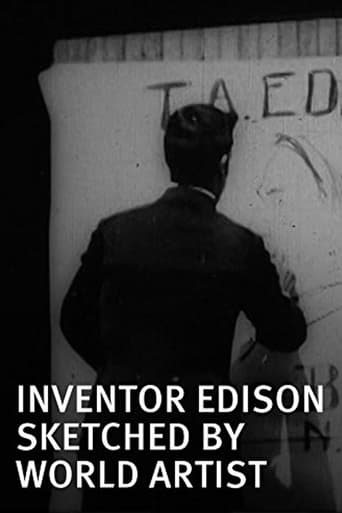
Lightning Sketches is a brief comic trick film in which J. Stuart Blackton appears as an illustrator demonstrating astonishing speed and dexterity with a drawing surface. The film begins with the performer turning a written word into a sketch of the thing named, establishing the gag that language can be instantly transformed into image. From there, the sketching becomes a rapid-fire display of visual invention, with drawings seeming to appear as though created in a flash. The pleasure of the film lies less in narrative complication than in the spectacle of the artist’s hands, the immediacy of the transformations, and the playful illusion that the drawn line can come alive before the viewer’s eyes.

About the Production

Release Date 1907
Production Vitagraph Company of America
Filmed In United States, Vitagraph studio facilities, likely Brooklyn, New York

Lightning Sketches was produced during the formative years of American cinema, when Vitagraph was one of the most influential studios in the country and J. Stuart Blackton was both a filmmaker and a vaudeville-style performer. The film is associated with Blackton’s long-running fascination with animation, drawing demonstrations, and cinematic trick effects, all of which helped define early screen magic. Like many films of 1907, it was made as a short subject for exhibition in programs rather than as a stand-alone feature, and precise production documentation such as budget records and detailed shooting notes has not survived in widely accessible form. Its format reflects the era’s reliance on simple setups, a performative camera style, and visual novelty as the primary attraction.

Historical Background

Lightning Sketches was made in 1907, during the transitional early years of the film industry, when cinema was still establishing its language and identity. Short films dominated the market, and audiences were drawn to novelty, spectacle, comic business, and trick photography more than to long-form storytelling. This was also the period in which American companies such as Vitagraph were expanding rapidly, building studio systems, and creating recognizable screen personalities. The film matters historically because it sits at the intersection of early animation, comic performance, and the visual culture of vaudeville, showing how cinema borrowed from and transformed stage entertainment into a new mass medium.

Why This Film Matters

Although not widely known today, Lightning Sketches is culturally significant as part of the early lineage of animated and trick-film experimentation. It reflects a moment when filmmakers were discovering that motion pictures could do more than record reality: they could create an illusion of instant graphic creation, mental leaps, and transformations that delighted audiences. The film also contributes to J. Stuart Blackton’s reputation as a pioneering figure in animation-related cinema, helping establish the idea that drawings could be performed on film as an act of visual invention. In that sense, it belongs to the prehistory of animated shorts, live-action drawing performances, and the broader culture of cinematic special effects.

Making Of

Lightning Sketches was made at a time when J. Stuart Blackton was experimenting with the possibilities of film as a medium for illusion, performance, and graphic transformation. Rather than relying on elaborate sets or story construction, the film appears to have been built around a simple performance premise that could be shot efficiently and understood immediately by audiences. Blackton’s background in illustration and stage presentation likely informed the film’s emphasis on rapid drawing and visual wit. The production would have depended on careful timing, stop-motion or substitution-style illusion, or simply a tightly staged demonstration to sell the speed and magic of the act.

Visual Style

The cinematography would have been straightforward and frontal, characteristic of early 1900s film practice, with the camera positioned to clearly capture the artist’s drawing surface and hand movements. The visual style likely emphasized clarity over movement of the camera, allowing the audience to focus on the act of creation and the illusion of instantaneous transformation. The film’s appeal lies in the composition of a theatrical demonstration within the frame, a mode that early cinema often inherited from stage performance. Any visual effects would have been integrated into this simple setup, making the drawing action itself the central cinematic event.

Innovations

The film is notable for participating in the early development of cinematic trick effects and screen animation, especially the illusion that a drawing can appear in an instant before the viewer. Even if the effect was achieved through simple editing, substitution, or choreographed performance rather than complex animation, the result represents an early exploration of transformation cinema. The concept of visualizing the act of drawing itself anticipates later animated films and filmed performance art. Its technical significance lies in demonstrating how early filmmakers converted a live drawing demonstration into a moving-image spectacle.

Music

As a silent film, Lightning Sketches had no synchronized recorded soundtrack. In original exhibition, it would almost certainly have been accompanied by live music from a pianist, organist, or small ensemble, chosen to match the comic pacing and the light novelty tone of the film. No official score is known to survive, and any modern presentations would typically use a reconstructed or newly commissioned accompaniment. The film’s original auditory experience would have depended on the venue and the musicians available at the time of screening.

Memorable Scenes

  • The opening gag in which the illustrator turns a written word into a sketch of the object it names, establishing the film’s central trick.
  • The rapid-fire sequence of drawings that seem to materialize with astonishing speed, giving the film its title and comic energy.

Did You Know?

  • The film is linked to J. Stuart Blackton, a foundational figure in early American film comedy, trick cinema, and animation.
  • It belongs to the same creative world as Blackton’s better-known early animation experiments, which helped establish screen drawing as a cinematic novelty.
  • The premise of turning a written word into an instantly recognizable sketch reflects the period’s fascination with visual transformation and the “trick” film tradition.
  • As a 1907 short, it would originally have been shown with live musical accompaniment and likely as part of a mixed vaudeville-style program.
  • Vitagraph was one of the most important early studios in the United States, and the film is a small example of the studio’s range beyond narrative melodramas.
  • The film’s surviving documentation is limited, which is common for very early shorts from the silent era.
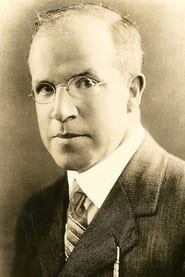
  • Blackton often appeared in his own films or in films closely associated with his screen persona, blurring the line between filmmaker and performer.
  • The title suggests a link to lightning-fast sketch artistry, a popular form of stage entertainment in the late 19th and early 20th centuries.
  • Early audiences were especially drawn to films that could show the impossible or the uncanny, and this short fits squarely within that attraction-based mode of cinema.

What Critics Said

Contemporary critical reception is difficult to reconstruct in detail because many early shorts were reviewed in brief trade notices rather than in the sustained critical language used for later cinema. As a novelty film from 1907, Lightning Sketches would most likely have been valued for its amusement, technical cleverness, and stage-like performance appeal rather than for narrative depth. Modern historians tend to regard it as an important artifact of early film form and of Blackton’s creative activity, especially in relation to his broader contributions to screen animation and trick cinema. Its present-day reputation is therefore less about conventional criticism and more about historical importance within early film development.

What Audiences Thought

At the time of release, audiences for films like Lightning Sketches were generally responsive to quick visual jokes and demonstrations of impossible or surprising effects. The film’s appeal would have rested on immediate readability: viewers could understand the gag instantly and enjoy the speed with which the drawing transformed. As a short, it was likely received as a pleasant novelty within a larger exhibition program rather than as a major stand-alone attraction. Today, audience interest is mainly among silent-film enthusiasts, animation historians, and viewers curious about the roots of screen trickery.

Film Connections

Influenced By

  • Vaudeville lightning sketch acts
  • Early stage illustration demonstrations
  • Magic lantern and illusion entertainments
  • J. Stuart Blackton's own earlier trick-film experiments

This Film Influenced

  • Later animated drawing demonstrations
  • Screen illusion and transformation shorts
  • Early experimental animation films
  • Trick comedies featuring visual metamorphosis

Film Restoration

The film appears to be extant or at least documented in archival references, but complete preservation status can vary by archive and online source; no widely noted restoration is commonly associated with it. Because it is an early 1907 short, surviving materials may be fragile and limited, and access is often through archive holdings or specialized silent-film collections rather than mainstream circulation.

Themes & Topics

drawingcomic trick filmillustrationvisual illusionsilent short