The Haunted Hotel
Plot
A weary traveler arrives at a lonely rural inn and rents a room for the night, hoping for a quiet rest, but the hotel quickly proves anything but restful. As he settles in, the room seems to come alive with a parade of eerie apparitions, vanishing objects, and impossible transformations, each joke escalating the chaos around him. The film builds as a series of comic fright effects, with the traveler repeatedly alarmed by ghostly visitors and uncanny disturbances that seem to materialize out of thin air. In the end, the hotel’s supernatural terror is revealed as a carefully staged illusion, turning the haunted setting into a playful trick-pictures gag rather than a true horror story.
Director
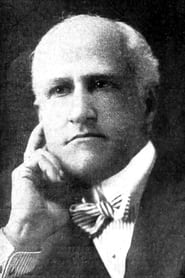
J. Stuart BlacktonAbout the Production
The Haunted Hotel was produced by Vitagraph during the period when J. Stuart Blackton was one of the studio’s key creative forces and a pioneer of trick filmmaking. It is notable for blending live-action performance with animated and stop-motion elements to create a whimsical haunted-space illusion, a technique that was highly novel in 1907. The film is closely associated with Blackton’s experiments in visual effects and with early screen comedy-horror hybrids that relied on mechanical spectacle rather than narrative realism. Surviving references describe it as one of the best-known examples of early animated trick films, and its reputation rests largely on its imaginative effects work rather than on dialogue or conventional story structure.
Historical Background
The Haunted Hotel was made in 1907, during a crucial transitional moment in cinema history when films were still short, non-synchronous, and often based on vaudeville, trick photography, or simple gag structures. This was the era before feature-length narrative dominance, when one-reel films could become major attractions through novelty, visual magic, and technical ingenuity. The movie also emerged during a period when audiences were fascinated by ghosts, spiritualism, and the uncanny, making haunted imagery especially appealing as a comic spectacle. In film history terms, it matters because it demonstrates how quickly cinema developed from recording reality into creating artificial worlds, and it helped establish the haunted-house premise as a durable screen format.
Why This Film Matters
The film is culturally significant as one of the early motion pictures to use cinematic illusion to suggest a haunted environment, thereby anticipating a long tradition of horror-comedy and special-effects-driven fantasy. It is frequently discussed in film history because it shows how animation and live action could be combined before the medium had fully standardized narrative editing conventions. Blackton’s approach influenced the vocabulary of trick films and helped legitimize cinema as a medium capable of depicting the impossible. In broader cultural terms, the movie reflects early twentieth-century fascination with spectacle, modern technology, and the supernatural, transforming a ghost story into a playful demonstration of the movies’ ability to deceive the eye.
Making Of
The Haunted Hotel comes from the formative years of American filmmaking, when studios were still discovering how to stage fantasies, gags, and supernatural effects on camera. J. Stuart Blackton was especially important in this period because he treated the camera as a tool for illusion-making, using stop-motion, substitution tricks, and animated inserts to make objects move or vanish in ways that could not happen on a theater stage. The film’s production likely relied on painstaking in-camera methods and frame-by-frame manipulation, reflecting the experimental spirit of Vitagraph’s short subjects. Because so much of the film’s impact depends on visual surprise, the mise-en-scène and effects timing would have been as important as the performers themselves, and the movie stands as an example of how early filmmakers turned technical ingenuity into entertainment.
Visual Style
The film’s visual style is defined by the theatrical clarity of early studio staging combined with camera-based trick effects that create the illusion of supernatural activity. Rather than relying on atmospheric lighting in the later horror-film sense, it uses sharp contrasts, careful framing, and staged transformations so the audience can register each gag clearly. The cinematography emphasizes motion within the frame, with objects appearing to move independently and characters reacting to offscreen or invisible forces. The result is a visual language that is at once stage-like and experimental, showcasing the possibilities of cinematic manipulation well before the development of modern special effects.
Innovations
The film is notable for early use of cinematic trick techniques that anticipate both animation and special effects work. It is especially associated with stop-motion animation, substitution effects, and other frame-by-frame manipulations that allowed objects and apparitions to appear to move or transform magically. Blackton’s work in this period helped demonstrate that film could do more than record stage action; it could create impossible events through precise camera control. In film history, this makes The Haunted Hotel one of the important precursors to later fantasy, horror, and effects-driven cinema.
Music
As a silent film from 1907, The Haunted Hotel had no synchronized soundtrack. Like most films of the period, it would have been accompanied by live music in theaters, often improvised by a pianist or small ensemble depending on the venue. The musical accompaniment would typically have been chosen to match the comic-spooky tone, with lively rhythms for the gags and more eerie figures for the ghostly moments. No original composed score is known to survive as an official standard accompaniment.
Memorable Scenes
- The traveler’s first realization that the inn room is not empty but alive with uncanny disturbances and ghostly surprises.
- The sequence of objects and apparitions seemingly moving on their own, showcasing the film’s trick effects.
- The escalating comic chaos in which the room turns into a stage for magical transformations and sudden scares.
- The ending reveal that recontextualizes the hauntings as illusion, turning terror into a visual punch line.
Did You Know?
- The film is often cited as an early example of animation being used in a live-action film to create supernatural effects.
- J. Stuart Blackton was both director and a major innovator in early screen trickery, and this title is one of the films most associated with his reputation.
- The Haunted Hotel is remembered less for a traditional plot than for its visual gags and rapid-fire illusion effects.
- It was produced by Vitagraph, one of the most important American studios of the silent era.
- The film helped popularize the idea that cinema could depict ghosts, magical transformations, and impossible events convincingly.
- Early film historians often discuss it alongside Blackton’s other trick films as part of the development of special effects language in cinema.
- Although it is called a horror-comedy in modern databases, contemporary audiences would likely have viewed it primarily as a comic novelty or illusion film.
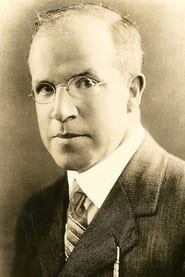
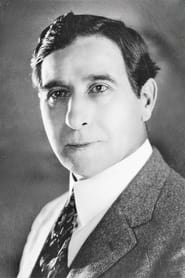
- The surviving cast information is sparse, but Paul Panzer and William V. Ranous are associated with the production in archival records and film listings.
- Its haunted setting became a template for later screen comedies and horror comedies that use a spooky location as the stage for escalating gags.
- The film is frequently mentioned in discussions of pre-feature-era cinema, when short subjects often depended on a single visual trick or premise.
What Critics Said
Contemporary reviews are not extensively preserved in the modern sense, but the film was regarded as a popular novelty and a successful demonstration of Blackton’s trick-film skill. Early audiences and exhibitors valued it for its amusing visual surprises and its uncanny, then-new ability to animate objects and create ghostly apparitions on screen. Modern critics and historians tend to evaluate it as an important milestone in early special effects and animation history rather than as a conventional dramatic work. Today it is admired as a foundational experiment in screen illusion, and its reputation has grown among scholars interested in the origins of horror cinema and animated cinema.
What Audiences Thought
Audience reception in 1907 was likely driven by curiosity and amusement, as viewers at the time were eager for films that offered astonishing visual tricks they could not see elsewhere. As a short subject, it would have functioned as a novelty attraction in a mixed program, probably earning attention for its ghostly gags and the cleverness of its effects. Modern audiences, especially those accustomed to later horror films, may find it more quaint than frightening, but it remains engaging as a charming and inventive artifact of early cinema. Its enduring appeal lies in the pleasure of watching primitive but inventive techniques produce surprising results.
Film Connections
Influenced By
- Stage magic and vaudeville illusion acts
- Early trick films by Georges Méliès
- Victorian ghost-story imagery
- Blackton’s own earlier experiments in animated and trick cinema
This Film Influenced
- Later haunted-house comedies
- Early horror-comedy shorts
- Special-effects-driven fantasy films of the silent era
- Animated/live-action hybrid films that use invisible forces as a comic device
You Might Also Like
More Comedy Films
View allMore from J. Stuart Blackton
View allFilm Restoration
The film survives in archival form and is generally considered extant, though like many early shorts it may circulate in incomplete, varying, or archival print copies depending on the source.