1902 · Approximately 1 minute

Also available on: Archive.org
Midwife to the Upper Class

Midwife to the Upper Class

1902 Approximately 1 minute France
Class satireParenthood and desireFantasy and folkloreComedy of domestic lifeThe commercialization of family roles

Plot

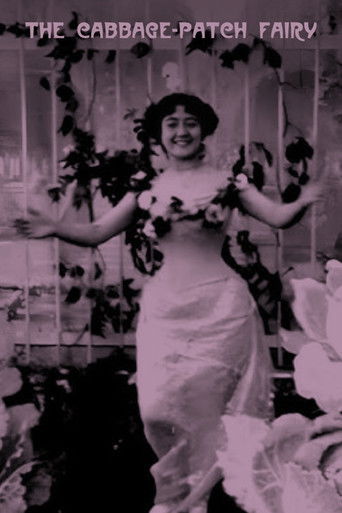
A fairy-tale midwife comes upon a wealthy couple who desire a child and offers them an extraordinary solution from her magical cabbage patch. In keeping with the playful logic of early trick-film fantasy, the couple choose a baby as though selecting a perfect gift, and the midwife presents the child with comic ceremony. The film turns a familiar folk-image into a satirical joke about class and domestic desire, framing birth and parenthood as something that can be arranged, delivered, and even customized. Rather than focusing on realism, the short builds its entire appeal around a whimsical visual gag and a mildly subversive parody of bourgeois expectations.

About the Production

Release Date 1902
Production Société des Établissements L. Gaumont
Filmed In Gaumont studios, Paris, France

This is an early single-reel fantasy short associated with Alice Guy-Blaché's pioneering work at Gaumont, where she directed and supervised a large number of brief comic and trick films in the years around 1900-1906. Like many films from this period, it was built around a simple visual premise rather than a sustained narrative, relying on theatrical staging, painted backdrops, and in-camera illusion effects to produce its comic effect. The film survives primarily as a historical artifact of early narrative cinema and of Guy-Blaché's inventive approach to subject matter, performance, and visual humor. Precise budget, box office, and exact production logistics are not documented in surviving records.

Historical Background

The film was made in 1902, during the first decade of narrative motion pictures, when filmmakers were rapidly discovering how to turn theatrical sketches, fairy tales, and comic situations into cinema. France was one of the centers of this early film culture, with companies such as Gaumont producing large numbers of shorts for domestic and international exhibition. Alice Guy-Blaché was working in an environment that still allowed significant experimentation, before later industrial consolidation and authorship myths narrowed public memory of early cinema. The film matters historically because it demonstrates how early filmmakers used fantasy and social satire to expand cinema beyond actualities and simple recorded scenes into expressive storytelling.

Why This Film Matters

The film is culturally significant as part of the earliest surviving body of work showing that women were not merely present in cinema's beginnings but were central creative forces. Alice Guy-Blaché's direction helped shape the grammar of fiction film, and short fantasies like this reveal her interest in using cinema for playful, often gently ironic commentary on everyday life and social class. The cabbage-patch baby motif also shows how cinema borrowed from folklore and nursery imagery to create immediately legible comic fantasy for broad audiences. Today, the film is valued less for plot complexity than for what it reveals about the development of screen comedy, early special-effects storytelling, and the overlooked role of women in film history.

Making Of

Midwife to the Upper Class was made during the most fertile years of Alice Guy-Blaché's early directing career at Gaumont, when she was experimenting with fantasy, comedy, domestic satire, and theatrical staging in very short forms. Films of this kind were typically produced quickly, using studio space, a small cast, and highly controlled mise-en-scène so that the joke could be understood immediately by audiences. The production would have depended on expressive pantomime, costume signaling, and carefully arranged props rather than dialogue or elaborate editing. Because so little production paperwork survives, most of what can be said with confidence is that it reflects Guy-Blaché's skill at turning a simple gag into a polished cinematic novelty.

Visual Style

The cinematography would have been typical of early 1900s studio filmmaking: a fixed camera, frontal composition, theatrical blocking, and action arranged for maximum clarity in a single tableau or a small number of setups. The visual style likely emphasizes performance and prop-driven comedy over camera movement, with any illusion effects achieved through staging or substitution rather than complex editing. The composition would have been designed so that the cabbage-patch gag and the midwife's presentation of the child were instantly readable to viewers. In early Gaumont productions, such visual simplicity was often paired with careful attention to gesture, costume, and background detail to create a comic miniature.

Innovations

The film's main technical achievement lies in its use of early trick-film fantasy to make an impossible idea seem visually plausible and amusing within a very short running time. Its value is less about a groundbreaking mechanical invention than about refined cinematic economy: a whole comic concept is communicated through staging, costume, and likely simple special-effects apparatus. As an Alice Guy-Blaché film from the Gaumont period, it also exemplifies the growing sophistication of narrative clarity in early cinema. The film contributes to the development of screen comedy by showing how a single fantastical premise can carry an entire film.

Music

As a silent film, it originally had no synchronized recorded soundtrack. Like most films of the era, it would have been screened with live musical accompaniment that varied by venue, time, and exhibitor, possibly including piano, small ensemble support, or improvised performance cues. No original score is known to survive. Modern presentations may use newly commissioned accompaniment or archival-style music depending on the source print and distributor.

Memorable Scenes

  • The midwife presents a baby from the cabbage patch to the wealthy couple as if she were delivering a luxury purchase.
  • The comic reveal of the cabbage-patch conceit, which turns a folk image into a visual joke about upper-class longing.

Did You Know?

  • The film is directed by Alice Guy-Blaché, one of the first filmmakers in the world to build a large body of narrative fiction films.
  • Its premise plays on the long European folk tradition of babies coming from cabbage patches, a motif that later became widely familiar in popular culture.
  • The title frames the midwife as serving the upper class, turning a domestic, working-class figure into a comic agent of aristocratic convenience.
  • It belongs to the era of short trick comedies and fantasy sketches that were often designed to amaze audiences with a clever visual idea rather than a complex plot.
  • The cast is credited with Germaine Serand and Yvonne Serand, reflecting the small-scale performer lists common to films of the period.
  • The film is an important example of early women-led filmmaking at a time when women were active in production but often later omitted from film histories.
  • As with many films from the early 1900s, surviving documentation is sparse, so details such as exact release date and full production notes are difficult to verify.
  • The film's humor depends on a whimsical reversal of social expectations: a child, normally associated with intimacy and private family life, is presented as though it were a purchasable luxury item.

What Critics Said

Contemporary critical commentary on this specific short is not well preserved, which is typical for many films from 1902 that were reviewed only briefly in trade papers or local listings, if at all. In retrospect, film historians tend to regard it as a minor but revealing example of Alice Guy-Blaché's early fantasy work: modest in scale, but important in demonstrating her command of pacing, visual wit, and storytelling economy. Modern scholarship often treats such films as essential evidence of the creativity of early cinema rather than as works that were widely critically debated at the time. Its historical reputation rests primarily on authorship, rarity, and early formal ingenuity.

What Audiences Thought

There is no detailed audience-survival record for this specific film, but shorts of this type were generally designed to amuse mixed audiences at fairs, theaters, and nickelodeon-style programs. The comic premise would likely have been immediately accessible to viewers because it combines a familiar fairy-tale image with a social joke about wealth and childbearing. Early audiences often responded enthusiastically to trick effects, surprising transformations, and absurd visual ideas, all of which this film appears to have offered in miniature. Its appeal today is more archival and historical than mass-commercial, though it still reads as charming and inventive to modern viewers interested in early cinema.

Film Connections

Influenced By

  • European fairy-tale traditions
  • 19th-century stage fantasy and pantomime
  • Popular folklore about babies from cabbage patches
  • Early trick films and comic tableaux

This Film Influenced

  • Early fantasy comedies that used domestic absurdity as their central gag
  • Later screen treatments of cabbage-patch baby folklore
  • Subsequent women-directed silent comic shorts that mixed satire and fantasy

Film Restoration

The film appears to survive in archival form and is known today through preserved copies or archival references; however, detailed restoration history and print lineage are not well documented in public sources.

Themes & Topics

cabbage patchmidwifewealthy couplefantasysilent comedyfolk motif