1934 · 7 minutes

Poor Cinderella

Poor Cinderella

1934 7 minutes United States

"The only Betty Boop cartoon in color"

Transformation and wish fulfillmentRomantic destinyClassical fairy tale reimagined through modern cartoon styleFemininity, glamour, and performanceFantasy versus everyday hardship

Plot

Betty Boop stars as Cinderella, a lonely, overworked young woman who is mistreated by her stepfamily until a fairy godmother intervenes and gives her the chance to attend the royal ball. Transformed for one magical night, she arrives in a spectacular fantasy sequence and immediately captures the attention of the prince, who dances with her and falls in love. When the clock strikes midnight, Betty must flee in haste, losing a glass slipper as she escapes the palace and leaving the prince with only the slipper as a clue to her identity. The prince searches the kingdom for the girl whose foot fits the slipper, and Betty is ultimately revealed as the rightful match, restoring the familiar fairy-tale ending with a light comic touch characteristic of the Betty Boop series.

About the Production

Release Date 1934-12-31
Production Fleischer Studios, Paramount Pictures
Filmed In New York City, New York, USA

Poor Cinderella was produced as a Fleischer Studios cartoon short and released through Paramount as part of the Betty Boop series. It is historically notable as the only Betty Boop cartoon made in color, using the two-color Cinecolor process rather than the more expensive three-strip Technicolor associated with premium live-action and animated productions of the era. The short was adapted from the studio's ongoing fascination with fairy-tale and burlesque fantasy, with the Cinderella story reworked into a playful, stylized vehicle for Betty Boop's signature personality. Because the film was produced during the transition years of the mid-1930s, it reflects both the creative ambitions of Fleischer Studios and the economic realities of cartoon production in the Depression era. Precise budget and box office figures are not widely documented for this short film.

Historical Background

Poor Cinderella was made in 1934, during the height of the Great Depression and just as Hollywood animation was becoming more technically ambitious and more tightly regulated by social standards. The mid-1930s were a transitional moment for Betty Boop herself: the character, who had emerged as a risqué flapper figure in the early 1930s, was being softened and reimagined in response to the newly enforced Production Code and shifting audience expectations. At the same time, animation studios were competing on spectacle, with color shorts serving as demonstrations of technical novelty and studio prestige. Fleischer Studios, based in New York rather than Hollywood, often distinguished itself through urban wit, rubber-hose movement, and surreal visual invention, and Poor Cinderella fits that tradition while also showing the studio's efforts to keep Betty Boop commercially viable. The film matters historically because it captures a specific moment when American animation was negotiating between pre-Code boldness and the sanitized family entertainment model that would dominate later decades.

Why This Film Matters

The film is significant as the sole color entry in the Betty Boop series, which makes it a key artifact for scholars of animation history and studio branding. It demonstrates how a major cartoon character could be recontextualized within a classic fairy tale while retaining her identity as a modern, urban, music-driven heroine. The short also illustrates the Fleischer Studios approach to adaptation: less concerned with reverence for the source than with personality, visual wit, and playful anachronism. In contemporary animation history, Poor Cinderella is often discussed alongside other early color cartoons as evidence of how studios used color selectively to create prestige and novelty. Its enduring interest lies not only in being a Cinderella variation, but in the way it preserves the look and feel of Betty Boop at a pivotal turning point in the character's evolution.

Making Of

Poor Cinderella was produced at Fleischer Studios during a period when the studio was balancing the popularity of Betty Boop with changing audience tastes and stricter censorship pressures. The decision to make this particular short in color appears to have been an event-picture strategy, giving an established character a special visual distinction without converting the entire series to color production. Fleischer's animators had to work within the limitations of the two-color Cinecolor process, which did not reproduce the full spectrum of hues available in later three-strip Technicolor, but still allowed the studio to present a more vivid fantasy atmosphere than usual. The short also reflects the studio's fondness for energetic dance animation, elastic character movement, and decorative backgrounds, all of which were hallmarks of the Fleischer house style. As with many Betty Boop films of the mid-1930s, the character design and presentation were shaped by the evolving image of Betty as the Code era approached, blending innocence, glamour, and comedy.

Visual Style

As an animated short, Poor Cinderella relies on stylized drawing, rhythmic movement, and carefully staged tableaux rather than live-action cinematography. The color design is one of its most notable features, using the limitations of two-color Cinecolor to create a fairy-tale atmosphere that feels both vivid and slightly constrained compared with later color animation. Fleischer's signature fluidity and squash-and-stretch animation are present, along with decorative backgrounds and a theatrical sense of staging that emphasizes the ball, the transformation, and the slipper search. The film's visual style blends burlesque glamour with storybook illustration, giving it a distinctive look that bridges urban cartoon comedy and romantic fantasy.

Innovations

The film's main technical distinction is its use of color in the Betty Boop series, specifically the two-color Cinecolor process. That choice gave Fleischer Studios an economical way to produce a color novelty without the expense of full Technicolor production. Technically, the short is also notable for preserving the elastic animation style associated with the studio's early sound cartoons while adapting that style to a more decorative, fairy-tale presentation. As a result, the film stands as an example of mid-1930s cartoon production experimenting with color as both an artistic and commercial device.

Music

The soundtrack follows the musical style common to Fleischer cartoons of the period, with lively accompaniment that supports dancing, transformation, and comic timing. As a Betty Boop cartoon, it likely features musical cues and vocal performance that highlight the character's song-and-dance identity, though precise song titles are not universally documented in standard references. The score and musical effects function as part of the short's rhythm, reinforcing the fantasy atmosphere and the exuberance of the royal ball. Sound was central to the Betty Boop brand, and this short continues that tradition by integrating music into the storytelling rather than treating it as mere background.

Famous Quotes

No widely documented famous dialogue quote from this short is commonly cited in film references.
Betty Boop's vocal performance is more historically notable for style and delivery than for a single signature quote in this film.

Memorable Scenes

  • Betty's transformation from mistreated Cinderella into a glamorous guest at the ball, a set piece that showcases the short's color palette and fantasy design.
  • The royal ball sequence, where Betty dances with the prince in a display of Fleischer-style movement and romantic spectacle.
  • The midnight escape, when the magic breaks and Betty rushes away, losing the glass slipper in the classic fairy-tale turning point.
  • The slipper-fitting finale, in which the prince's search concludes when Betty's foot fits the glass slipper and her identity is revealed.

Did You Know?

  • Poor Cinderella is the only Betty Boop cartoon made in color, making it especially collectible among Fleischer animation fans.
  • The film used the two-color Cinecolor process, which gave it a distinctive palette and set it apart visually from the black-and-white Betty Boop shorts.
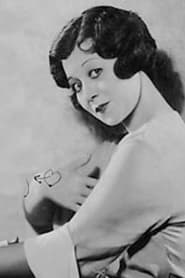
  • Bonnie Poe provided the voice of Betty Boop in this short, one of several performers who voiced the character during the 1930s.
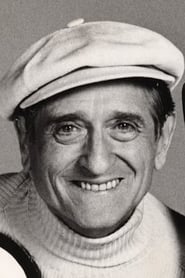
  • Jack Mercer, a regular Fleischer voice actor, also appears in the cast credits.
  • The short is part of Fleischer Studios' recurring use of fairy-tale material, which often mixed romantic fantasy with comic surrealism.
  • Unlike many later Cinderella adaptations, this version emphasizes Betty Boop's flapper-era personality and nightclub-style glamour.
  • The film was distributed by Paramount Pictures, which handled release of many Fleischer cartoons during the 1930s.
  • Because it is a vintage two-color animated short, surviving prints are of special archival interest and can vary in color quality depending on source element.
  • Poor Cinderella is often cited in histories of animation as a curiosity because the famous Betty Boop series was overwhelmingly produced in black and white.
  • The film's release in late 1934 places it near the period when Hollywood animation was rapidly experimenting with color techniques and feature-length ambition.

What Critics Said

Contemporary reviews of animated shorts from this era were often brief, trade-oriented, and focused on novelty value, so detailed critical reactions to Poor Cinderella are not extensively preserved in the mainstream press. In retrospect, the film has been admired by animation historians and classic-cartoon enthusiasts for its rarity, its color process, and its example of Fleischer design and movement in a fairy-tale setting. Modern criticism tends to view it as more historically valuable than dramatically innovative, since its appeal rests on the fascination of seeing Betty Boop in color rather than on a radical reinvention of the Cinderella story. It is generally regarded as a strong example of the studio's craftsmanship, even if it is not ranked among the very best known or most influential Betty Boop cartoons.

What Audiences Thought

At the time of release, audiences likely responded to the short as a familiar fairy tale given an attractive new visual treatment, with the color process serving as a major selling point. Betty Boop was still a recognizable cartoon star in 1934, and the character's blend of music, romance, and comedy remained commercially appealing even as her image was being toned down. Today the film is especially appreciated by classic animation fans, collectors, and historians, who value it as a rare color chapter in the Betty Boop filmography. General audiences encountering it now often find it charming, stylish, and historically intriguing, though brief by feature-film standards and highly dependent on knowledge of the character's broader context.

Film Connections

Influenced By

  • The traditional Cinderella fairy tale
  • European fairy-tale illustration and stage pantomime traditions
  • The Betty Boop cartoon formula developed by Fleischer Studios
  • Early 1930s musical revue and burlesque aesthetics

This Film Influenced

  • Later animated Cinderella adaptations
  • Subsequent fairy-tale parody cartoons
  • Studies and retrospectives on color animation in the 1930s

Film Restoration

The film is preserved and widely known among animation archivists and classic-cartoon collectors, though quality can vary depending on the source element and restoration used. Surviving prints and home-video presentations have made the short accessible to modern viewers, and it is generally regarded as an extant historical cartoon rather than a lost film.

Themes & Topics