1907 · Unknown; likely one reel, approximately 10 minutes

Also available on: Archive.org
Rivals

Rivals

1907 Unknown; likely one reel, approximately 10 minutes United States
Romantic rivalryJealousy and competitionDeception and sabotageCourtship as comic conflictMale vanity and social embarrassment

Plot

Two men, Chollie and George, set their sights on the same young woman and quickly turn courtship into comic warfare. Each suitor tries to outdo the other with increasingly devious tricks, sabotage, and petty one-upmanship, turning ordinary social rivalry into a fast-moving comedy of manners. Their schemes repeatedly backfire, escalating the chaos and exposing the absurd lengths to which they will go for attention and affection. The film plays as a compact, gag-driven chase of rival flirtation, ending with the competition having generated more embarrassment and mayhem than romance. Like many early one-reel comedies, the emphasis is less on emotional depth than on timing, visual business, and the escalating foolishness of the male competitors.

About the Production

Release Date 1907
Production Pathé Frères
Filmed In United States

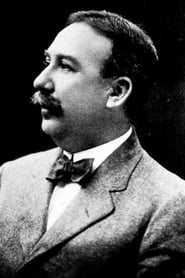
Rivals is a very early American silent comedy directed by Edwin S. Porter, whose work during the mid-1900s helped define the grammar of narrative film after his more famous experiments in editing and action construction. As with many Pathé releases of the period, detailed production records are sparse, and surviving documentation about the exact shoot, sets, or personnel beyond the credited cast is limited. The film appears to have been made as a short one-reel comic piece built around straightforward visual gags, rivalry, and physical business rather than elaborate staging. Because surviving primary sources are limited, precise budget, box office, and filming location data are not known.

Historical Background

Rivals was released in 1907, a pivotal year in the development of cinema as a commercial entertainment form. In the United States, the film industry was still in the nickelodeon era, and filmmakers were experimenting with longer scenes, clearer continuity, and more elaborate comic scenarios that could sustain audience attention in increasingly standardized exhibition programs. Edwin S. Porter was part of the generation that helped move films beyond simple recorded views and into organized narrative storytelling, even when working in short comic form. The social context also matters: early comedies often reflected turn-of-the-century ideas about masculinity, courtship, class behavior, and public embarrassment, using rivalry over a woman’s affection as a safe, broadly legible comic premise. As a 1907 silent short, Rivals sits at the intersection of early narrative cinema, popular theatrical humor, and the emerging studio/distribution systems that would soon transform film production.

Why This Film Matters

While Rivals is not among the most famous surviving films of Edwin S. Porter, it is culturally important as part of the early comic tradition that helped establish recurring screen situations later perfected by slapstick performers and studio comedy units. Its premise—two men competing foolishly for romantic attention through trickery and sabotage—became a durable template in film comedy and remains recognizable in later romantic comedies and farces. The film also illustrates how early cinema distilled social behavior into instantly readable visual conflict, making it an instructive example of how silent films conveyed narrative and humor without dialogue. For historians, it has value as a representative artifact of 1907-era filmmaking: short, visually driven, and dependent on stock comic dynamics that audiences of the period would have immediately understood. Its significance lies less in fame than in the way it reflects the evolution of cinematic comedy toward organized gag structure and accessible storytelling.

Making Of

Rivals was produced during a formative period in American cinema when film comedy was still developing its own visual language. Edwin S. Porter, already a major figure in early film history, was working in an environment where short, self-contained narratives had to communicate quickly and clearly to audiences in nickelodeons and vaudeville-style exhibition settings. The known cast is small and the surviving production record is minimal, so specific anecdotes about rehearsals, set construction, or on-location shooting are not well documented. What can be inferred is that the film relied on simple but effective comic blocking, with the antagonism between the two men providing the engine for a series of sight gags and physical reversals. The scarcity of detailed behind-the-scenes information is itself typical of early silent-era production, when many films were made rapidly and with little surviving paperwork.

Visual Style

As a 1907 silent short, the film’s cinematography would have been comparatively straightforward, with an emphasis on a static or lightly staged camera, clear framing, and readable action across the full image. Porter-era films often favored long takes and carefully arranged visual business so that viewers could follow comic developments without complex editing. The likely style here is functional and theatrical, presenting performers and props in a way that maximizes the visibility of trickery, physical interference, and reaction shots. The visual approach would have prioritized clarity over spectacle, with the humor emerging from the spatial relationships between the rival suitors and the woman at the center of their competition.

Innovations

Rivals does not appear to be associated with a specific headline technical innovation, but it belongs to an important period in which Porter and his contemporaries were refining narrative clarity in film comedy. Its achievement is chiefly in the organization of comic action for the screen: the premise is simple, but the visual competition between characters likely demanded precise staging and timing so that each gag landed cleanly. Films like this helped normalize the short narrative comedy as a reliable commercial form. The film also reflects early cinema’s ability to communicate complex social behavior through gesture, blocking, and situation rather than dialogue.

Music

As a silent film, Rivals had no synchronized soundtrack or original recorded score. Like most films of its era, it would have been exhibited with live musical accompaniment provided by a pianist, organist, small ensemble, or other theater musicians, with the exact music varying by venue. No authoritative original score is known to survive.

Memorable Scenes

  • The central comic set pieces in which Chollie and George outdo each other in trying to win the same woman’s favor through increasingly absurd tactics.
  • The repeated sabotage and counter-sabotage that turn a simple courtship into a chain reaction of embarrassment and disruption.
  • The visual escalation of the rivals’ antics, which likely serves as the film’s main source of comic payoff.

Did You Know?

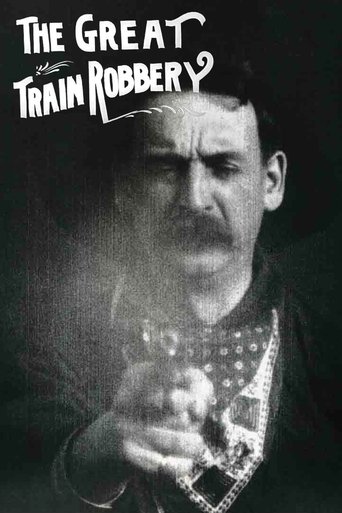
  • This film is one of several early 1900s comedies directed by Edwin S. Porter, best known for The Great Train Robbery and for helping establish American narrative filmmaking.
  • The cast listing for this title is sparse in surviving records, which is common for films from the silent era’s first decade.
  • The film’s plot structure, based on two men competing for the same woman, was a staple of early comedy because it allowed for immediate visual conflict without the need for intertitles or elaborate exposition.
  • Like many films from 1907, it was likely distributed as a short subject and shown alongside other attractions in a mixed program rather than as a standalone feature.
  • The title Rivals is easy to confuse with later films of the same name, but this version is specifically the 1907 Edwin S. Porter comedy.
  • Because of the age of the film and the incompleteness of surviving documentation, many modern database entries rely on archival catalog references rather than full contemporary reviews.
  • Early silent comedies frequently used broad male-female courtship competition as a foundation for slapstick, social satire, and escalating visual gags.
  • If surviving prints exist, they are not widely circulated in mainstream home-video or streaming catalogs, making the film difficult for casual viewers to access.
  • The film belongs to the transitional period when American cinema was moving from novelty shorts toward more sophisticated narrative staging and comic structure.

What Critics Said

Contemporary critical commentary on Rivals is not well preserved in the surviving record, so there is no robust body of period reviews to summarize in detail. In its original exhibition context, the film likely functioned as a light comic attraction rather than a prestige title, and audience response would have depended on the effectiveness of the visual gags and the performers’ comic timing. Modern critical interest is primarily archival and historical: the film is valued as an example of Porter’s ongoing work in the mid-1900s and as a window into early American screen comedy. Because it is not widely discussed in popular criticism today, its reputation rests more on film-history scholarship than on general critical canonization.

What Audiences Thought

Direct audience-response records are scarce, which is typical for a film from this period. In 1907, a short comedy like Rivals would likely have been received as a quick, amusing item in a mixed bill, with its success measured informally through exhibition popularity rather than detailed box-office reporting. The premise is broadly accessible, suggesting it would have played well with general audiences accustomed to vaudeville-style humor and physical comedy. Today, the film is mainly of interest to historians, archivists, and enthusiasts of silent cinema rather than mass audiences, and its contemporary reception is shaped by its rarity and age.

Film Connections

Influenced By

  • Stage farce and vaudeville comedy
  • Early comic one-reel films
  • Turn-of-the-century melodramatic and farcical courtship plots

This Film Influenced

  • Later silent slapstick comedies built around competing suitors
  • Romantic farces using escalating sabotage as a plot engine
  • Early screen comedies by filmmakers working in the Porter tradition

Film Restoration

Preservation details are unclear in readily accessible mainstream references. The film is a very early silent short and is not widely available in commercial circulation, suggesting that any surviving material is rare, archival, or not easily accessible to the public. If a print survives, it would most likely be held by a film archive or special collection rather than being broadly distributed. Definitive restoration status is not widely documented in commonly available sources.

Themes & Topics