1933 · Approximately 7 minutes

Also available on: YouTube Archive.org
Snow-White

Snow-White

1933 Approximately 7 minutes United States

"null"

Jealousy and rivalryParody of fairy talesJazz-age performance cultureCelebrity and spectacleDesire and vanity

Plot

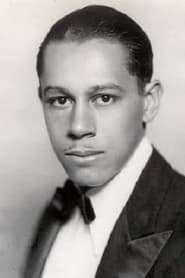
In this Betty Boop cartoon, the Evil Queen consults her magic mirror and is told that Betty is the fairest in the land, setting off a jealous rage and a comic quest for revenge. Betty, meanwhile, is portrayed in a fairy-tale world that quickly shifts into the series’ familiar mix of flirtation, music, and surreal slapstick, with the Queen trying to eliminate her rival through a series of increasingly absurd schemes. The film becomes especially memorable when it introduces Cab Calloway, whose musical number and rotoscoped performance provide a haunting, kinetic centerpiece that transforms the cartoon into something much stranger and more atmospheric than a simple parody of Snow White. As the Queen’s plan collapses under the pressure of the cartoon’s rhythm, visual gags, and musical energy, Betty survives the menace and the short ends in the broad, jazzy, risqué style that defined much of the Betty Boop series. The film is less a straight fairy-tale adaptation than a pop-culture collage, mixing Disney parody, nightclub performance, and Fleischer surrealism into one of the best-known Betty Boop shorts.

About the Production

Release Date 1933-09-29
Box Office Unknown; individual theatrical box office records for this short are not reliably documented
Production Fleischer Studios, Paramount Publix Corporation
Filmed In New York City, New York, USA (Fleischer Studios production facilities)

This was produced during the Fleischer Studios period in New York, when the studio was known for a looser, more adult-oriented urban sensibility than Disney’s contemporaneous animation. The short is famous for blending fairy-tale parody with the then-popular Betty Boop character and for featuring Cab Calloway, whose performance was incorporated using rotoscoping to create a fluid, uncanny movement style. Its title and premise clearly evoke the cultural phenomenon of Disney’s Snow White and the Seven Dwarfs, but the Betty Boop short predates Disney’s feature by several years and instead participates in the broader early-1930s fascination with fairy-tale satire. The film is also notable for how it uses music not merely as accompaniment but as a structural and visual engine, with the soundtrack shaping the pacing and gags. As with many Betty Boop cartoons of the era, the film reflects changing censorship pressures and the tightening of the Production Code environment that would soon alter the character’s screen persona.

Historical Background

This film was released in 1933, during the depths of the Great Depression, when American audiences often sought escapist entertainment in cinemas, radio, and dance-band culture. The early 1930s were also a period of rapid change in animation, with New York studios like Fleischer offering an alternative to the increasingly polished Hollywood style associated with Disney. Snow-White reflects the era’s fascination with jazz, celebrity performance, and modern nightlife, all of which made Betty Boop an especially resonant character for adult audiences. At the same time, the film belongs to a transitional period just before the Motion Picture Production Code would more strictly regulate sexual innuendo and suggestive imagery in mainstream American entertainment. Its importance lies partly in showing how animation could be witty, topical, and sophisticated long before feature animation became the industry norm.

Why This Film Matters

The cartoon is culturally significant as one of the most enduring examples of Fleischer Studios’ unique voice in American animation: urban, musical, a little risqué, and deeply tied to jazz performance. It helped cement Betty Boop as an icon of 1930s popular culture and remains a touchstone for discussions of how female animated characters were sexualized and stylized in early sound cartoons. The Cab Calloway sequence is especially celebrated as a remarkable fusion of African American music performance and animation, though modern viewers also examine such material critically within the broader context of race representation in early cinema. The short has also remained influential as a model of how parody, music, and experimental animation can coexist within a very brief runtime. For historians, it stands as an important artifact of pre-Code animation and of the Fleischer studio’s ongoing rivalry with, and difference from, Disney’s aesthetic approach.

Making Of

Snow-White was produced at Fleischer Studios at a time when the studio was at its creative peak, making inventive shorts that leaned heavily on music, urban nightlife, and experimental visual effects. Cab Calloway’s appearance was one of the most important production elements, since the animators studied his movements and used rotoscoping to give the performance a remarkably fluid and ghostly quality. The result is one of the best examples of how the Fleischer team used live-action reference not as a rigid crutch but as a springboard for stylized animation. The short also reflects the studio’s willingness to parody well-known cultural material, here turning the Snow White concept into a Betty Boop vehicle rather than a faithful fairy-tale retelling. Because this was made before feature-length animation had become the dominant prestige form, it was shaped by the short-subject economy of theatrical exhibition, where a cartoon had to grab attention quickly with music, novelty, and visual personality.

Visual Style

Although animated rather than live-action, the film’s visual style is notable for its expressive use of shadows, exaggerated character design, and rhythmic staging. Fleischer animators often favored elastic movement and atmospheric staging over the cleaner, more storybook look associated with Disney, and that difference is especially apparent here. The rotoscoped Cab Calloway sequence gives the cartoon a fluid, almost spectral movement that contrasts with the broader comic action around Betty and the Queen. The film’s compositions are dynamic and theatrical, often using darkness, silhouette, and sudden transformation to heighten the fairy-tale parody and musical atmosphere.

Innovations

The most notable technical feature is the use of rotoscoping for Cab Calloway’s performance, which gives the animated figure a remarkably lifelike and fluid motion. The short also demonstrates Fleischer Studios’ strength in integrating music and animation in a way that feels synchronized but not mechanically stiff. Its use of stylized shadows, surreal transformations, and fluid movement helps create a dreamlike tone that was distinctive in early 1930s cartoons. The film is also historically important as an example of pre-Code animation that pushed suggestive humor and musical sophistication within a brief theatrical format.

Music

Music is central to the short, and the film is remembered largely for incorporating Cab Calloway’s performance into its soundtrack and animation. The short uses song not just as background but as a narrative and visual event, with the animation often synchronized to the rhythm, phrasing, and movement of the performance. Calloway’s style brings jazz-era sophistication and a slightly eerie energy to the cartoon, helping make the short feel modern and stylish for its time. As with many Fleischer cartoons, the music is integral to the identity of the film rather than ornamental.

Famous Quotes

I want to be loved by you, just you, and nobody else but you.
Boop-oop-a-doop!

Memorable Scenes

  • The Evil Queen consulting the magic mirror and discovering that Betty Boop is fairest in the land, which triggers the cartoon’s comic conflict.
  • Cab Calloway’s rotoscoped musical performance, which creates one of the most famous and visually arresting sequences in Fleischer animation.
  • The surreal, shadow-heavy passages in which movement and music blend into a dreamlike jazz fantasy.

Did You Know?

  • This short is one of the best-known Betty Boop cartoons and is often discussed as a landmark example of Fleischer Studios’ imaginative, jazz-infused animation style.
  • Cab Calloway’s performance is a key attraction, and the cartoon uses rotoscoping to translate his live-action dancing and singing into animated motion.
  • The film is frequently cited in discussions of the evolution of Betty Boop, whose early 1930s character had a much flirtier and more adult image than later versions.
  • The fairy-tale parody aspect is often compared with later and more famous Disney treatments of Snow White, though this short came years earlier.
  • The cartoon’s visual style includes surreal transformations, dramatic shadows, and rubbery movement that distinguish it from the cleaner look of West Coast animation studios.
  • It is sometimes grouped with other Fleischer shorts featuring music stars, which helped make the studio’s cartoons feel tied to contemporary popular entertainment rather than only children’s fare.
  • The title is commonly written with a hyphen in archival and database records, but the cartoon is widely recognized as a Betty Boop short rather than a standalone Snow White adaptation.
  • The Evil Queen’s magic-mirror setup is one of several elements that turn the classic fairy-tale structure into a comic vehicle for Betty Boop and jazz-age nightlife imagery.
  • The short has remained popular in retrospectives because it captures a transitional moment before stricter censorship changed the tone of American animation.
  • Its combination of music, parody, and celebrity cameo helped make it a frequent inclusion in animation histories and classic cartoon compilations.

What Critics Said

Contemporary reception details are not as thoroughly documented as for feature films, but the short was part of a highly popular Betty Boop run that was commercially successful and widely exhibited. Critics and animation historians have since come to regard it as one of the definitive Betty Boop cartoons, praised for its atmosphere, energy, and Cab Calloway segment. Modern criticism often emphasizes the short’s bold blend of parody and musical performance, as well as its place in the pre-Code era before Betty Boop was softened and domesticated by censorship pressures. It is now frequently included in scholarly discussions of early sound animation, rotoscoping, and the intersection of animation with jazz-era celebrity culture.

What Audiences Thought

Audiences in the 1930s generally responded well to Betty Boop cartoons because they were short, musical, and full of contemporary wit, and this title benefited from that broader popularity. Its use of Cab Calloway likely enhanced audience appeal, especially for moviegoers already familiar with his band and performance style. In later decades, the cartoon gained even more admiration among animation fans and classic-film audiences, who appreciate its distinctive mood and its place in Fleischer history. Today it is often watched as both an entertaining short and an important historical example of how animated cartoons interacted with popular music and celebrity culture.

Film Connections

Influenced By

  • The Snow White fairy-tale tradition
  • Vaudeville and nightclub performance
  • Jazz-age popular music
  • Early sound cartoons
  • Fleischer Studios’ earlier Betty Boop shorts

This Film Influenced

  • Later Betty Boop and Fleischer Studio cartoons
  • Animation history documentaries and retrospectives focused on jazz-age cartoons
  • Subsequent animated fairy-tale parodies

Film Restoration

The film is preserved and widely available in restored or archived prints through classic animation collections and home-video releases.

Themes & Topics

Betty BoopEvil Queenmagic mirrorCab Callowayfairy-tale parodyrotoscopingpre-Code animationjazz