Spring Tale
Plot
Spring Tale follows Gumennik, the seasoned leader of a flock of geese, as he guides his companions on their long return journey from African wintering grounds back to their native Russian marshes and breeding places. The film treats the migration as an adventurous seasonal odyssey, emphasizing the birds’ instinct, unity, and endurance as they navigate changing weather, distance, and the hazards of travel. Along the way, the flock encounters the promise of spring and the emotional pull of home, framing the journey as both a natural cycle and a lyrical celebration of return. As Gumennik leads his flock northward, the story underscores solidarity, perseverance, and the inevitability of seasonal rebirth in the Russian landscape. The film’s simple premise is shaped into an allegorical animated fable about homecoming, collective effort, and the renewal of life.
About the Production
Spring Tale was produced by Soyuzmultfilm, the leading Soviet animation studio of the era, during a period when Soviet animated shorts frequently combined naturalistic observation with poetic, often educational storytelling. The film is an animated work centered on migratory birds, and its production likely relied on hand-drawn animation techniques typical of late-1940s studio output rather than elaborate effects or multiplane spectacle. Because surviving production documentation on many Soviet shorts of this period is limited, precise details such as budget, exact animation unit assignments, and marketing campaign materials are not well documented in readily accessible sources. The film is notable for turning a simple animal migration premise into a lyrical seasonal narrative, a hallmark of postwar Soviet animation’s interest in accessible, culturally resonant subject matter.
Historical Background
Spring Tale was produced in 1949, in the immediate postwar Soviet Union, when the country was recovering from immense wartime devastation and cultural institutions were being reshaped under late Stalin-era policies. Animation studios such as Soyuzmultfilm were expected to create works that were accessible, morally affirmative, and culturally legible to broad audiences, often emphasizing nature, folklore, childhood, and collective values. In this climate, a story about geese returning home from Africa could function as a gentle allegory of perseverance, natural order, and the restoration of life after hardship. The film also reflects a broader Soviet interest in seasonal cycles and the relationship between people, animals, and the landscape, themes that aligned well with both educational and poetic traditions in Soviet cinema. As a late-1940s animated short, it is part of the historical moment when Soviet animation was reestablishing itself as a major state-backed art form.
Why This Film Matters
While Spring Tale is not among the most internationally famous Soviet cartoons, it is culturally significant as a representative example of postwar Soviet animated storytelling. Its focus on migration and return connects to deeply rooted Russian cultural associations with homecoming, spring renewal, and the rhythm of nature, making it emblematic of a broader national poetic sensibility. The film also illustrates how Soviet animation could transform scientific or natural subjects into emotionally charged allegories suitable for family audiences. For scholars of animation history, it offers evidence of Soyuzmultfilm’s range beyond fairy tales and political propaganda, showing the studio’s interest in lyrical, observational short subjects. Its place in the canon is important for understanding the diversity of Soviet animated production in the late 1940s.
Making Of
Spring Tale was made at Soyuzmultfilm during a time when Soviet animation was rebuilding and consolidating after World War II. The studio’s late-1940s shorts often balanced artistry with didactic or lyrical themes, and this film fits that pattern by presenting a natural phenomenon—goose migration—as an emotionally resonant journey. The available record strongly suggests a small-scale production designed for short-form exhibition, with an emphasis on characterful bird animation and seasonal atmosphere rather than technical extravagance. As with many Soviet cartoons of the era, the film likely drew on close observation of animal movement and expressive staging to make the flock’s travel feel both believable and allegorical. Precise behind-the-scenes documentation such as animator assignments, storyboards, or session logs is not widely published, so the film’s creative process is known mainly through its studio context and surviving credits.
Visual Style
As an animated film, Spring Tale’s visual style would have depended on hand-drawn character animation, painted backgrounds, and carefully staged movement to convey the flock’s journey and the changing environment. The imagery likely emphasizes skies, seasonal landscapes, and the long sweep of migration, using composition to create a sense of travel and distance. Soviet animation of the period often favored solid draftsmanship, restrained expression, and clear narrative staging, and this film almost certainly follows that tradition. The cinematographic effect would be lyrical rather than dynamic in the modern sense, with attention to mood, natural detail, and the emotional symbolism of spring returning to Russia.
Innovations
Spring Tale does not appear to be associated with a major technical breakthrough, but it is technically notable as an example of late-1940s Soviet hand-drawn animation crafted to evoke natural movement and a coherent seasonal journey. The film likely demonstrates disciplined timing and animation of flock behavior, which is a subtle challenge in short-form animation because group movement must remain readable and expressive. Its achievement lies more in its integration of narrative, seasonal mood, and animal behavior than in experimental technique. As part of Soyuzmultfilm’s output, it contributes to the studio’s postwar refinement of animation craft.
Music
Specific score credits and cue listings for Spring Tale are not widely documented in accessible sources. As with many Soviet animated shorts, the soundtrack likely combined orchestral or light incidental music with synchronized effects to support the movement of the geese and the seasonal atmosphere. The music would have been expected to reinforce the film’s lyrical, optimistic tone, helping shape the emotional rhythm of the migration narrative. If preserved prints survive, the original soundtrack is an important part of the film’s historical texture, though detailed public information about the composer is not readily verified here.
Memorable Scenes
- Gumennik leading the flock on the long flight north from African wintering grounds toward Russia, establishing the film’s central migration journey.
- The visual transition from warmer southern environments to the cooler, familiar landscapes of the north, symbolizing the approach of spring and home.
- Moments in which the flock flies in coordinated formation, emphasizing unity, instinct, and the discipline of collective movement.
Did You Know?
- The film is an animated Soviet short from 1949, a period when Soyuzmultfilm was one of the most important animation studios in the world.
- Its central character, Gumennik, is a goose leader, and the story uses bird migration as a metaphor for return, instinct, and collective movement.
- The plot is explicitly tied to the birds’ journey from African regions back to Russia, giving the film a seasonal and geographic scope uncommon in many short cartoons of the period.
- The film’s title and premise suggest a poetic, almost fable-like approach rather than a comedy-driven cartoon style.
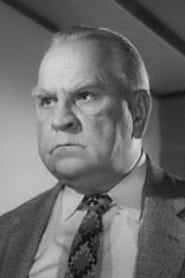
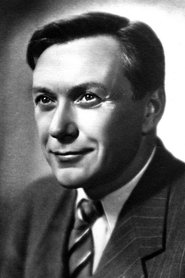
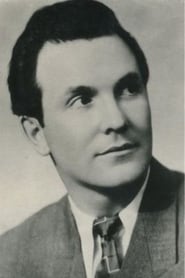
- Boris Chirkov, Gleb Romanov, and Yelena Tyapkina are credited in association with the film, indicating the involvement of notable Soviet screen talents in voice or performance contributions.
- The film belongs to the early postwar Soviet animation period, when studios often favored uplifting, culturally affirmative themes.
- Because it is a vintage Soviet animated short, detailed production records and contemporary publicity materials are comparatively scarce outside specialized archives.
- The film’s imagery likely emphasizes the changing seasons, a recurring symbolic motif in Russian literature and cinema.
What Critics Said
Specific contemporary critical reviews of Spring Tale are not widely available in the standard English-language record, which is common for many Soviet animated shorts of the period. Within the context of Soyuzmultfilm’s output, it would have been evaluated primarily as a short-form cultural and artistic work rather than as a commercial feature, meaning reception was likely tied to programming, educational value, and artistic quality. Modern appreciation tends to come from animation historians and archive-focused viewers who value such films for their stylized depiction of nature, their period aesthetic, and their insight into Soviet studio practice. Today it is likely regarded as a minor but interesting archival title rather than a canonical masterwork, though it remains useful for understanding the range of Soviet animation in the postwar era.
What Audiences Thought
There is little detailed surviving audience research for Spring Tale, but as a Soviet animated short it was presumably intended for family and general audiences, including children. Its accessible premise, animal characters, and seasonal imagery would have made it easy to follow and suitable for theatrical short-film programs. Viewers at the time likely responded to its gentle tone and its celebration of return and renewal, which were emotionally resonant themes in the early postwar period. Modern audiences encountering it through archives or curated classic animation programs tend to approach it as a historical curiosity and as a window into the aesthetic values of late-1940s Soviet animation.
Film Connections
Influenced By
- Russian literary and poetic traditions about nature and seasonal change
- Soviet educational animation traditions
- Postwar Soyuzmultfilm lyrical short films
- Natural-history observation in animation
This Film Influenced
- Later Soviet animated nature shorts
- Seasonal and allegorical animal cartoons in Eastern European animation
You Might Also Like
More Animation Films
View allMore from Viktor Gromov
View allFilm Restoration
The film appears to survive in archival form, as it is documented in film databases and catalog references, but public information about restoration status is limited. It is not generally described as a lost film. No widely publicized modern restoration or commercial home-video edition is readily confirmed in accessible sources, so its preservation situation is best described as extant but not extensively documented.