The Cuckoo Murder Case
Plot
In a spooky old mansion, the cuckoo bird that lives inside the large grandfather clock is suddenly shot dead by an unseen attacker, setting off a comic-mystery chain of events. Flip the Frog is summoned to investigate the crime, and his inquiry leads him through the mansion's shadowy rooms, secret corners, and suspicious inhabitants. As Flip tries to identify the killer, the film plays on classic detective-story conventions while turning them into visual gags and absurd surprises. The case becomes more complicated than it first appears, blending slapstick, suspense, and miniature horror-comedy imagery in the style of early sound-cartoon mystery parodies.
Director
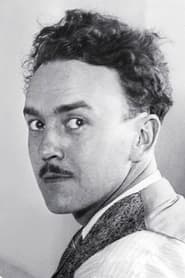
Ub IwerksAbout the Production
The film is one of Ub Iwerks's early sound-era Flip the Frog cartoons, made during the period when animated shorts were adapting rapidly to synchronized sound and more elaborate story-driven gags. Like many cartoon shorts of the period, it was produced on a modest budget with emphasis on timing, visual invention, and musical synchronization rather than live-action-style location work. The mystery premise allowed the studio to parody detective fiction and gothic melodrama while using the animated medium to stage exaggerated scares, collapsing walls, secretive shadows, and playful violence that would have been impossible in live action. Surviving records do not provide a published budget or box-office figure, which is common for short subjects from this era.
Historical Background
The Cuckoo Murder Case was released in 1930, right at the start of the sound-film era and during a period of intense competition among animation studios. The success of synchronized-sound cartoons in the late 1920s had transformed theatrical animation, and studios were racing to create memorable series characters that could thrive in the new environment. Ub Iwerks, once a key collaborator with Walt Disney, was trying to prove that he could build a commercially viable animation brand of his own. The film matters historically because it sits at the intersection of early sound-cartoon technology, genre parody, and the development of independent animation production in Hollywood.
Why This Film Matters
While not as famous as the Disney or Fleischaker cartoons of the era, The Cuckoo Murder Case is culturally significant as an early example of animated mystery parody and as a document of Ub Iwerks's independent creative ambitions. It reflects a moment when animation was rapidly expanding beyond simple slapstick into more elaborate narrative forms and genre pastiche. The film also contributes to the broader cultural memory of the Flip the Frog series, which helped define what sound cartoons could do in terms of character comedy, timing, and cinematic spoofing. For historians, it is valuable as part of the pre-Code, early-1930s cartoon landscape in which horror, crime, and comedy were frequently blended for theatrical shorts.
Making Of
The Cuckoo Murder Case was created at a time when Ub Iwerks was working to establish his own studio identity after his split from Walt Disney. The Flip the Frog cartoons often experimented with new sound techniques, gag structures, and genre parody, and this film uses the detective-mystery format to create a compact comic narrative. The production likely relied on the small, efficient animation teams typical of early 1930s short-subject studios, where timing, musical synchronization, and strong visual staging mattered more than detailed background realism. Its haunted-mansion setting and mystery premise let the animators build suspense and then puncture it with cartoon absurdity, a hallmark of Iwerks's inventive but often underrated work.
Visual Style
As an animated short, the film's visual style depends on layout, staging, and timing rather than camera operation in the live-action sense. Its atmosphere likely uses dark mansion interiors, silhouetted shapes, and exaggerated Gothic imagery to set up the mystery mood before undercutting it with comic movement. Early sound cartoons often emphasized crisp character animation and strong background compositions to support musical timing, and this short would have relied on clear visual beats so that the mystery clues and gags read immediately. The old-clock motif and haunted-house spaces provide opportunities for visually rhythmic action and suspenseful reveals.
Innovations
The film is notable as part of the early refinement of synchronized sound cartoon production, where timing between animation and audio had to be tightly coordinated. It demonstrates genre parody in animation at a time when such shorts were still helping define the possibilities of sound-era comic storytelling. The integration of a gothic mystery setting with cartoon violence and comic timing is itself a technical and creative achievement, because it requires the animators to balance suspense, clarity, and punchline timing within a very short runtime. It also reflects the industrial evolution of the 1930 cartoon short, when studios were learning how to make sound an active part of the joke rather than just an accompaniment.
Music
The film is an early sound cartoon, so music and sound effects are central to its presentation. Like many shorts of the period, it would have used synchronized musical cues to accent gags, establish mood, and match character movement, though a full surviving score breakdown is not readily documented. The soundtrack likely blends comic motifs with eerie effects to support the mystery setting and the cuckoo-clock premise. Exact cue sheets and compositional credits are not generally cited in widely available modern sources for this title.
Memorable Scenes
- The opening moment in which the cuckoo bird inside the old clock is shot, instantly transforming a domestic object into the center of a comic crime.
- Flip the Frog's arrival at the creepy mansion to investigate, establishing the film's detective-parody premise.
- The use of the mansion's dark rooms, secret spaces, and suspicious atmosphere to create a miniature gothic mystery within a cartoon format.
Did You Know?
- The film is part of Ub Iwerks's Flip the Frog series, one of the most important early sound cartoon series outside the Disney studio.
- Its title is a parody of mystery and detective-film conventions, with the word "Murder Case" promising a hard-boiled crime story while the film itself remains a cartoon farce.
- The cuckoo bird in the clock functions as both a literal victim and a visual joke, turning a domestic object into the center of a murder mystery.
- Like many early 1930s animated shorts, it reflects the industry's transition from silent-era slapstick toward dialogue, music, and synchronized sound effects.
- Ub Iwerks had left Walt Disney and was building his own animation identity during this period, making the film historically important within his independent career.
- The cartoon mixes gothic-horror atmosphere with comedy, a combination that became a recurring formula in animation and later monster parodies.
- Flip the Frog was one of the earliest recurring animated characters designed to compete in the new sound-cartoon marketplace.
- The film survives as a vintage short rather than a feature, so its reputation largely comes from animation history and archive circulation rather than mainstream theatrical fame.
- It is an example of the playful crime-parody subgenre that later became common in theatrical cartoons.
- The old mansion setting gives the film a haunted-house mood that contrasts with the lighthearted tone of the Flip series.
What Critics Said
Contemporary critical documentation for this specific short is limited, which is typical for released cartoon shorts from the early 1930s. At the time, such films were usually judged as part of a theater program rather than reviewed at length, so surviving criticism is sparse and often embedded in trade notices or general commentary on the Flip the Frog series. In retrospect, the film is appreciated by animation historians for its quirky premise, atmospheric design, and for showing Iwerks's ability to work in multiple genres. Modern reception tends to place it as an interesting, lesser-known but worthwhile example of early sound-cartoon craft rather than a top-tier classic of the era.
What Audiences Thought
Specific audience response data is not available, but the film was designed for general theatergoing audiences who attended shorts before the feature. Early 1930s cartoon audiences were typically drawn to recognizable characters, musical energy, and broad visual comedy, and this short's spooky-mystery premise would have fit well with that appetite. The film's appeal likely came from its combination of novelty, parody, and slapstick rather than from any star-driven marketing. Today, it is primarily seen by animation enthusiasts, archivists, and classic-cartoon viewers.
Film Connections
Influenced By
- Classic detective and whodunit fiction
- Gothic haunted-house stories
- Vaudeville and silent slapstick comedy
- Early sound cartoon musical comedy traditions
This Film Influenced
- Later animated mystery parodies and haunted-house cartoons
- Subsequent comic detective shorts in theatrical animation
- The broader tradition of blending horror motifs with animation comedy
You Might Also Like
More Mystery Films
View allMore from Ub Iwerks
View allFilm Restoration
The film is not generally regarded as lost and is known to survive in archival and collector circulation as part of the Flip the Frog series, though availability can vary by source and print quality. Like many early sound cartoons, surviving materials may differ in completeness and fidelity depending on the print or transfer used. It is preserved as an historical short rather than a widely restored mainstream title.