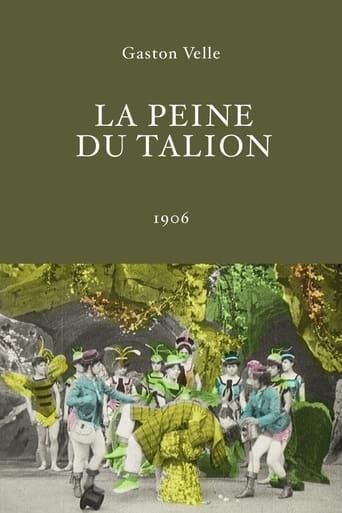
The Devil's Pot
Plot
A cook is busily preparing a stew when an accident sends his kitchen boy tumbling into a huge pot. Horrified by what he believes he has done, the cook tries desperately to undo the mishap and salvage the meal, only to find the situation slipping further into chaos. As he struggles with guilt and panic, a devilish supernatural presence in the form of Mephisto becomes involved, turning the kitchen catastrophe into a comic-fantastical spectacle. The film plays the premise as a brief tableau of escalating tricks, mishaps, and infernal intervention, ending in the kind of playful, impossible resolution typical of turn-of-the-century trick films.
Director
Gaston VelleAbout the Production
The film belongs to the early trick-film tradition associated with Pathé and the comic-fantastical productions of the mid-1890s. Like many films from this period, it was created as a short staged fantasy built around a single gag and likely relied on theatrical blocking, in-camera effects, and optical illusion rather than elaborate sets or narrative complexity. Gaston Velle later became known for fantasy and trick-films, and this title fits the period’s fascination with supernatural intrusion, comic accident, and cinematic magic. Because of the film’s age, detailed production records such as crew breakdowns, exact shooting dates, and budget information are not known or not securely documented.
Historical Background
The Devil's Pot was made in 1895, at the dawn of commercial cinema, when moving pictures were still a new public amusement and the language of film narrative was only beginning to develop. French cinema, especially through companies like Pathé, was instrumental in shaping early film culture by producing short comic sketches, actualities, and fantasy attractions for popular exhibition. The film belongs to a moment when audiences were delighted by visual novelty, trick effects, and brief comic situations that required no prior knowledge or complex literacy. Its use of Mephisto also reflects the period’s appetite for theatrical supernatural motifs drawn from folklore, opera, and literary traditions such as Faust, adapted into a form suited to the cinema’s new ability to show impossible transformations.
Why This Film Matters
Although little known today, The Devil's Pot is culturally significant as an early example of the comic-fantasy short that helped define cinema’s first decade. It demonstrates how filmmakers quickly recognized that the screen could depict both ordinary domestic life and miraculous intrusions, creating a new kind of visual humor unavailable in print or on the stage in quite the same way. The film also illustrates the international influence of French trick cinema, which contributed to the development of special-effects storytelling and fantasy filmmaking across Europe and beyond. For historians, it is valuable as evidence of how early audiences were entertained by a mix of slapstick, supernatural imagery, and illusionistic cinema.
Making Of
Little detailed behind-the-scenes documentation survives for The Devil's Pot, which is typical for films from 1895. What is known suggests a production rooted in the early French trick-film tradition: a studio or controlled stage environment, simple props, and a gag-driven scenario designed to be immediately legible to audiences. Gaston Velle worked in an era when filmmakers borrowed freely from theater, magic acts, and fairground entertainment, so the film likely depended on precise timing, performance, and visual trickery rather than editing complexity. The involvement of Mephisto indicates an attempt to merge everyday comic business with supernatural spectacle, a formula that could be executed effectively with the cinematic effects available at Pathé in the mid-1890s. Exact casting, crew roles, and technical methods are not securely documented in the surviving sources typically used for early cinema cataloging.
Visual Style
The cinematography would have been characteristic of very early cinema: a static camera, a frontal or slightly angled view, and a stage-like composition that allowed the gag to play out in full frame. Rather than rapid cutting, the film likely relied on long takes, carefully arranged blocking, and visual clarity so viewers could follow the action instantly. Early trick effects may have included substitutions, hidden cuts, or practical staging to simulate the boy’s fall into the pot and Mephisto’s interventions. The image design would have emphasized readability and performance over realism, making the kitchen setting feel like a theatrical tableau.
Innovations
The film’s chief technical interest lies in its use of early cinematic illusion to create supernatural comedy from a simple domestic scenario. It likely employed one or more of the foundational trick-film techniques of the period, such as substitution splices, staged pantomime, and carefully timed practical effects. Its importance is less about a single groundbreaking invention than about the consolidation of film as a medium capable of combining narrative action with magical transformation. In that sense, it participates in the early development of special-effects cinema that would later flourish in the work of Georges Méliès and other fantasy filmmakers.
Music
As a 1895 silent film, The Devil's Pot had no synchronized recorded soundtrack. Exhibition would typically have been accompanied by live music, often improvised by a pianist or small ensemble in the theater. The specific score, if any was used in contemporary screenings, has not been documented. Modern presentations of surviving silent shorts may use archival-style accompaniment, but no original music is known.
Memorable Scenes
- The moment the kitchen boy is accidentally thrown into the enormous pot, transforming a routine cooking task into a comic catastrophe.
- The cook’s frantic attempts to correct the mistake, which turn guilt and panic into a visual gag.
- Mephisto’s arrival and involvement, which shifts the film from domestic slapstick into supernatural trick-fantasy.
Did You Know?
- This is an early film by Gaston Velle, who would become associated with fantasy, magic, and trick-film spectacles in French cinema.
- The plot centers on a kitchen accident, a common comic device in early cinema because it could be understood instantly without intertitles or complex storytelling.
- Mephisto’s appearance links the film to the broader late-19th-century fascination with Faustian and diabolical imagery in popular entertainment.
- As with many 1890s shorts, the film was likely shown as part of a mixed program rather than as a standalone attraction.
- The title is often translated into English as The Devil's Pot, but it belongs to a period when titles and catalog descriptions could vary across distribution markets.
- The film reflects the influence of stage magic and theatrical illusion on the earliest screen fantasies.
- Because the film is so short, the entire narrative is built around a single escalating premise rather than multiple scenes or subplots.
- Surviving documentation on many such early Pathé films is sparse, making catalog records and archival holdings especially important for identification.
- The movie is a good example of how early filmmakers used simple domestic settings to create supernatural comedy.
- Its combination of everyday labor and devilish intervention anticipates later comic fantasy films that contrast mundane routine with impossible events.
What Critics Said
Contemporary critical review as understood today is difficult to reconstruct because the film predates most established film criticism and surviving newspaper commentary is limited. In its own time, films of this kind were generally received as amusing novelties, with appeal resting on their visual cleverness, comic energy, and the fascination of seeing impossible actions on screen. Modern scholars tend to view it less as a narrative film in the later sense and more as a historical example of early screen illusion and popular entertainment. Its importance is therefore assessed primarily through film history and archival study rather than through a documented critical canon.
What Audiences Thought
Audience reactions are not comprehensively documented, but films of this type were typically popular with turn-of-the-century spectators because they were short, funny, and easy to understand regardless of language. The premise of a kitchen disaster followed by devilish interference would have offered immediate comedic payoff and a touch of the macabre without becoming frightening. Early cinema audiences often responded enthusiastically to magical transformations, gags, and comic mishaps, and this film fits that entertainment pattern closely. Its lasting audience today is mainly among historians, archivists, and classic-film enthusiasts interested in the earliest fantasy shorts.
Film Connections
Influenced By
- Faustian and Mephistophelian folklore and stage traditions
- French magic-theater and early trick-film conventions
- Turn-of-the-century comic pantomime
This Film Influenced
- Early fantasy trick films that mixed domestic settings with supernatural gags
- Later slapstick comedies featuring escalating kitchen disasters
- Surreal comic shorts that use devilish or magical intrusions into everyday life
You Might Also Like
More Comedy Films
View allMore from Gaston Velle
View allFilm Restoration
The film is believed to survive in archival or cataloged form, but detailed preservation status, restoration history, and the completeness of any surviving materials are not consistently documented in widely available public sources. As with many films from 1895, surviving elements may be fragile, incomplete, or accessible only through archival holdings and reference prints. It should be treated as an early film with limited public availability rather than a widely circulated restored title.