Also available on: Archive.org
The Fantastic Diver

The Fantastic Diver

1906 France
Visual illusionComic absurdityMechanical transformationPlay with cinematic timeEarly film experimentation

Plot

The film presents a simple comic situation built around a diver whose movements and behavior are transformed into a curious visual trick. Ferdinand Zecca stages the action so that the diver appears to move in an uncanny, reversed manner, creating the effect of a mechanical or supernatural body at play. Rather than relying on an elaborate narrative, the short film derives its amusement from the absurdity of the image and the novelty of the motion illusion. It functions as a comic display piece, inviting audiences to marvel at the strange visual gag while watching a familiar figure from everyday life turned into a cinematic curiosity.

About the Production

Release Date 1906
Production Pathé Frères
Filmed In France

This 1906 short is a remake of Ferdinand Zecca's earlier Plongeur fantastique (1901), using the same basic premise but refining the visual joke through reverse-motion editing. Like many Pathé films of the period, it was likely produced as a brief studio-made novelty item rather than as a narrative feature, with the emphasis placed on a striking screen effect. The film belongs to an era when filmmakers were still actively exploring how editing and camera tricks could produce astonishment and laughter, and Zecca was one of the most important experimenters in that regard. Precise runtime, budget, release date, and detailed location data are not reliably documented in surviving sources.

Historical Background

The Fantastic Diver was made in 1906, during a formative period in cinema when filmmakers were exploring what the medium could do beyond simply recording reality. French companies, especially Pathé, were among the international leaders in distributing short comedies, trick films, melodramas, and fantasy pieces, and audiences had become increasingly eager for visual novelty. This was also a time when editing was evolving rapidly as a storytelling and spectacle tool, and reverse motion or other in-camera effects were part of a broader experimentation with cinematic illusion. The film matters historically because it reflects early cinema's fascination with mechanics, transformation, and the playful manipulation of time and motion on screen.

Why This Film Matters

Although The Fantastic Diver is a small and now obscure film, it is culturally significant as an example of how early cinema delighted audiences through pure visual invention. It shows the medium in its experimental phase, when technical tricks were not yet hidden in the service of realism but proudly displayed as the main attraction. As a remake of an earlier trick film, it also demonstrates how early screen comedy circulated through repetition, refinement, and re-performance. For historians, it is valuable evidence of the aesthetics of French silent cinema and of Ferdinand Zecca's role in shaping the grammar of comic fantasy films.

Making Of

The most notable behind-the-scenes fact is that the film reworks Zecca's own 1901 concept, showing how early filmmakers often revisited successful visual ideas and retooled them for new audiences. In 1906, Pathé and other French studios were producing shorts rapidly, and novelty effects such as reversed motion, staged tableaux, and comic illusion were important commercial attractions. The production likely required careful staging and editing to ensure that the reversed movement read clearly as an amusing impossibility rather than as a technical flaw. Zecca's willingness to recycle and refine an earlier gag reflects both the practical economics of early cinema and the emerging awareness that film tricks could be a repeatable selling point.

Visual Style

The cinematography is notable less for camera movement than for the manipulation of motion through editing and staging. Early trick films like this often used a fixed camera, theatrical framing, and clear visibility of action so that the visual gag could be understood immediately. The reversed movement effect would have depended on careful pre-planning and an awareness of how motion appears when projected, making the film an early example of cinema as optical sleight of hand. Its style is spare, direct, and centered entirely on the legibility of the trick.

Innovations

The film's chief technical achievement is its use of reverse-motion editing to create a comic visual inversion. In the context of early cinema, this kind of effect was still relatively novel and helped demonstrate that film could alter time and movement in ways impossible on stage. It also reflects the technical confidence of Pathé productions in the period, when studio-made illusion films were helping define cinema as a medium of transformation. The film is therefore important not for large-scale technical innovation but for its contribution to the early vocabulary of cinematic trickery.

Music

As a silent film from 1906, it originally had no synchronized soundtrack. Any music would have been supplied live by exhibitors, varying by venue, city, and performance context. Surviving records do not indicate a specific commissioned score, and no standardized original soundtrack is known.

Memorable Scenes

  • The diver's uncanny reversed movement, which creates the film's central comic illusion and serves as the whole basis for the novelty effect.

Did You Know?

  • The film is a remake of Ferdinand Zecca's own earlier short Plongeur fantastique (The Fantastic Plunger, 1901).
  • Its central effect relies on reverse-motion editing, an early example of cinema using mechanical trickery for comic surprise.
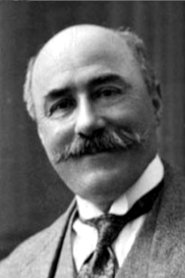
  • Ferdinand Zecca was one of Pathé's key early filmmakers and a major figure in the development of trick films and staged comic spectacles.
  • The film is associated with the French cinema of the 1900s, when short actuality films, comedies, and fantasy novelties were common program items.
  • Because it is so short and so early, the film is less a character study than a demonstration of cinematic technique.
  • It belongs to a tradition of early cinema shorts that treated the moving image itself as a special effect.
  • The surviving historical record for the film is sparse, which is common for many one-reel or sub-reel productions from the silent era.
  • The title sometimes appears in English as The Fantastic Diver, but the work is fundamentally a French production and is tied to the original French title tradition.

What Critics Said

Contemporary reviews specific to this title are not well documented, which is typical for many very short films from the silent era. In the context of early-1900s French cinema, however, films of this type were generally received as amusing novelty attractions rather than as works meant for serious dramatic criticism. Modern scholars tend to view it primarily as a historical artifact: an example of trick-film experimentation, studio-made comic spectacle, and Zecca's interest in visual effects. Its critical reputation today rests more on its place in film history than on any surviving consensus about artistic greatness.

What Audiences Thought

No detailed audience-response records survive for this specific short, but films of this kind were generally designed to produce instant amusement and surprise. Audiences in the 1900s often enjoyed cinema as a fairground-like attraction, and visual tricks such as reverse motion would have been especially appealing because they made the screen seem to defy ordinary physical laws. The film likely worked best as a brief novelty in a mixed program, where its main pleasure came from the audience recognizing that the impossible motion was deliberately staged for comic effect.

Film Connections

Influenced By

  • Plongeur fantastique (1901)
  • Early French trick films
  • Stage illusion and theatrical pantomime

This Film Influenced

  • Later trick films that used reverse motion for comic or fantastical effect
  • Early silent comedies that emphasized visual surprise over dialogue

Film Restoration

Preservation status is uncertain from readily available sources; the film is obscure, and detailed archival holdings are not consistently documented in widely accessible references. It may survive in archival collections, but no universally cited restoration history is known.

Themes & Topics