1912 · Approximately 10 minutes

Also available on: Archive.org
The Furs

The Furs

1912 Approximately 10 minutes United States
Consumer desire and shoppingMarital deceptionDomestic conflictClass and social aspirationFemale agency in early comedy

Plot

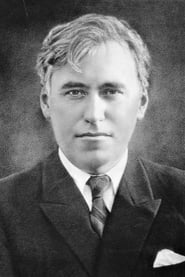
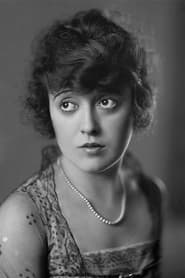
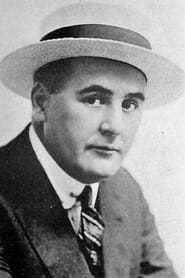
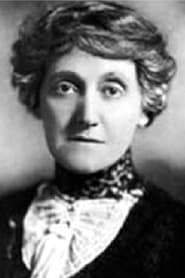
Mabel Normand plays the wife of a prosperous but rather portly businessman, played by Dell Henderson, whose domestic life is complicated by her dislike of her stern mother, Kate Bruce. Wanting to indulge in a shopping spree, Mabel quietly takes money from her husband without his knowledge and heads out to buy furs. At the shop, she is served by a salesman played briefly by Mack Sennett, who helps facilitate the transaction. The film’s comic tension comes from the contrast between Mabel’s flirtatious, impulsive consumer desire and the social awkwardness of her home life, a very early Keystone-style setup built around physical humor and domestic mischief.

About the Production

Release Date 1912
Production Keystone Film Company
Filmed In Los Angeles, California, USA

The Furs is a one-reel silent comedy produced at Keystone during the studio’s early peak, when Mack Sennett was rapidly assembling a house style built on fast-paced situations, broad gestures, and simple social setups. Like many Keystone shorts from 1912, it appears to have been made efficiently on a modest budget with a stock company of performers who could be moved quickly from one comic premise to another. Mack Sennett’s on-screen appearance as the fur salesman is a typical example of early studio executives and comedians doubling as supporting players in their own productions. Surviving documentation on the film is limited, so precise budgetary and shooting details are not known, but its production fits squarely within Keystone’s assembly-line comedy method of the period.

Historical Background

The Furs was released in 1912, a formative year for American cinema when the motion-picture industry was expanding rapidly from short novelty entertainment into a more organized commercial art form. Keystone, founded by Mack Sennett in 1912, became one of the defining comedy studios of the silent era, and this film belongs to that earliest phase of its output. The period was marked by the growth of nickelodeons, increased audience demand for regular programming, and a developing star system in which performers like Mabel Normand were beginning to gain recognizable popularity. The film is historically significant because it captures early studio-era comedy before feature-length structure dominated the industry, preserving the brisk, single-reel style that helped shape American screen humor.

Why This Film Matters

Although The Furs is not one of the most famous surviving silent comedies, it is culturally important as part of the early body of work that helped establish Mabel Normand as a major comedic presence and helped define Keystone’s signature style. The film also reflects early twentieth-century attitudes toward consumerism, gender roles, and domestic relations, using shopping and marital secrecy as comic material. In a broader sense, it documents how silent comedy was already balancing broad physical humor with recognizable social situations, a formula that would influence later screen comedy. For film historians, the short offers a glimpse into the transitional moment when the American film industry was consolidating studio production methods and building the foundations of film stardom.

Making Of

The Furs was made at a time when Keystone was producing a large number of one-reel comedies with a flexible repertory company, so the film likely came together quickly with a familiar team and minimal preproduction. Mabel Normand was already emerging as one of the studio’s most appealing stars, and the film gives her a central comic role built around desire, secrecy, and social friction. Mack Sennett’s brief appearance as the salesman is characteristic of early Keystone practice, in which key personnel often stepped in front of the camera for small parts when needed. Surviving behind-the-scenes records are extremely limited, so there is no documented evidence of major production difficulties, but the film’s simplicity strongly suggests the efficient, fast-turnaround method that defined Keystone’s output in 1912.

Visual Style

The film would have used the straightforward, static camera placement typical of early Keystone comedies, with action staged to be easily readable in a single frame or in a small number of setups. Visual humor in this period depended heavily on clear body language, broad facial expressions, and well-timed blocking rather than complex camera movement. As a silent short, the cinematography likely emphasizes frontal presentation and theatrical staging, allowing the comic business to play in full view. This direct visual style is characteristic of early 1910s comedy and helps the film function as a compact showcase for performer-driven humor.

Innovations

The Furs does not appear to be associated with any major technical innovation, but it is notable as part of the early refinement of single-reel narrative comedy. Its achievement lies in the efficient use of a compact domestic setup, clear visual storytelling, and the integration of a recognizable stock company into a coherent comic situation. The film illustrates the studio-era technique of building amusement from simple social conflict rather than elaborate staging. In that sense, it contributes to the broader technical and industrial development of early American screen comedy.

Music

As a silent film, The Furs had no synchronized recorded soundtrack at the time of release. It would originally have been accompanied by live music in theaters, typically improvised or selected by the accompanist to match the pace and mood of the comedy. No original cue sheet or specific score is widely documented for the film. Modern screenings, if available, may use library silent-film accompaniments or locally assembled music.

Memorable Scenes

  • Mabel secretly taking money from her husband to fund her shopping excursion.
  • The fur-shop sequence in which Mack Sennett appears briefly as the salesman and assists the sale.
  • The domestic tension between Mabel and her mother, which frames the comic premise.
  • The contrast between the husband’s solid, respectable presence and Mabel’s impulsive consumer behavior.

Did You Know?

  • This is an early Keystone short starring Mabel Normand, one of the most important female comedians of the silent era.
  • Mack Sennett appears in the film in a small acting role rather than solely as producer-director.
  • The film uses a domestic premise rather than the more familiar Keystone chase structure, showing the studio experimenting with everyday social comedy.
  • Dell Henderson was a frequent Keystone player and one of the many performers who helped establish the studio’s comic ensemble style.
  • Kate Bruce, who often played maternal or authority figures in early films, appears here as Mabel’s mother, reinforcing the generational conflict at the center of the short.
  • The title refers to the shopping item that motivates the plot, reflecting early silent comedy’s habit of building simple narratives around a single comic desire or object.
  • As a 1912 film, it belongs to the transitional period when film comedies were becoming more character-driven and less dependent solely on single gags.
  • The film is a useful example of how women in early screen comedy could drive the action through initiative, deception, and consumer appetite.
  • Because many early Keystone films survive only incompletely or are poorly documented, information about exact release patterns and reception is sparse.
  • Its cast reflects the early interconnectedness of Keystone productions, where performers, writers, and directors frequently overlapped in multiple roles.

What Critics Said

Contemporary critical response to The Furs is not well documented in surviving sources, which is common for many early one-reel comedies. Like much of Keystone’s early output, it was likely consumed as a program item rather than treated as a prestige release, so detailed reviews were less frequently preserved than for later feature films. Modern appraisal tends to view it as a small but useful artifact of early silent comedy, valued more for historical and archival interest than for narrative complexity. Its significance today lies in its connection to Mabel Normand, Mack Sennett, and the formative Keystone style rather than in any large critical canon of its own.

What Audiences Thought

No reliable audience-reaction records specific to this short are widely documented, but it would have been presented to early nickelodeon audiences as a quick comedic diversion. Films of this type were typically judged by immediate crowd response, laughter, and repeat booking potential rather than by formal publicity campaigns. Given the popularity of Keystone farce and Mabel Normand’s appeal, it likely played as a light, accessible comedy built to entertain mixed urban audiences. Its modest scale suggests that it was part of the regular flow of shorts that audiences expected and enjoyed in early 1912 exhibition.

Film Connections

Influenced By

  • Vaudeville comic timing
  • Stage farce traditions
  • Early one-reel comic sketches

This Film Influenced

  • Later Keystone comedies
  • Domestic farce comedies of the silent era
  • Female-centered slapstick shorts

Film Restoration

The film appears to be preserved in archival form or at least documented through surviving records and film catalogs, though complete details about the condition of any extant print are not widely standardized in public sources. As with many very early silent comedies, access may be limited and availability may depend on archival holdings or private collections. It is not generally treated as a widely circulated commercial restoration title.

Themes & Topics

silent comedyshopping spreemarital secrecyfursKeystone