1917 · Short film; exact surviving runtime is not definitively documented in available references

Also available on: Archive.org
Tough Luck and Tin Lizzies

Tough Luck and Tin Lizzies

1917 Short film; exact surviving runtime is not definitively documented in available references United States

"null"

Mistaken identityBad luck and escalating chaosModernity and the automobilePursuit and authorityRomantic entanglement

Plot

Larry Semon stars as a perpetually unlucky man whose attempts to get by only seem to compound his troubles. In this short comedy, he inadvertently takes possession of another man's automobile, and the mistake quickly snowballs into chaos when he also becomes entangled with the man's girlfriend. As the misunderstanding escalates, police become involved and Larry finds himself pursued through a series of slapstick chases and comic set pieces. The film builds from one absurd mishap to the next, using Larry's trademark frantic physical comedy, escalating misunderstandings, and fast-moving visual gags to turn a simple case of mistaken identity into a full-on comic panic.

About the Production

Release Date 1917
Box Office Unknown
Production Vitagraph Company of America
Filmed In United States (specific location not definitively documented in surviving sources)

This is a one-reel Larry Semon comedy produced during the peak years of his silent-film stardom, when Vitagraph was making frequent short slapstick comedies built around his acrobatic, high-energy screen persona. Like many films from the period, it was designed as a compact comic vehicle rather than a prestige feature, relying on physical gags, chase structure, and visual misunderstanding. Surviving documentation is limited, so precise crew credits, shooting details, and release publicity materials are not as fully recorded as they are for later features. The title's reference to 'Tin Lizzies' places it firmly in the early automobile comedy cycle, a popular subject in the 1910s as cars were still novel enough to generate abundant slapstick possibilities.

Historical Background

The film was released in 1917, during World War I and at a moment when American cinema was rapidly expanding its domestic dominance while still firmly in the silent era. Comedy shorts were among the most reliable forms of entertainment in theaters, offering audiences a brief, accessible escape from wartime anxieties and everyday industrial modernity. The automobile was becoming a potent symbol of modern life, and silent comedies frequently exploited cars as sources of speed, danger, social confusion, and mechanical absurdity. Larry Semon's work sits within this transitional period when slapstick was developing from vaudeville-derived sketch humor into a more sophisticated screen language of pursuit, destruction, and visual escalation.

Why This Film Matters

While not as universally famous today as the work of Chaplin, Keaton, or Lloyd, Tough Luck and Tin Lizzies is culturally important as a representative example of early American slapstick and as part of Larry Semon's influential body of work. Semon was a major comic star of the 1910s, and his films helped define the high-energy, stunt-driven style that became a hallmark of silent-screen comedy. The film also reflects the cultural fascination with the automobile in the early twentieth century, turning a modern machine into a source of comic mayhem. For historians, it is valuable as evidence of how studio comedy shorts were structured, marketed, and consumed in the years before feature-length comedy became the norm.

Making Of

Tough Luck and Tin Lizzies was made at a time when Larry Semon was one of Vitagraph's most recognizable comic performers, and productions built around him were typically engineered to showcase his athletic falls, rapid movement, and escalating physical panic. The film reflects the studio-era system in which short comedies were assembled around a strong central gag premise and a star with a distinctive physical persona. Surviving records do not preserve detailed accounts of shooting problems, but the film clearly belongs to the high-throughput industrial environment of 1917, when studios produced large numbers of one-reel comedies quickly and efficiently. Because much of the period documentation is fragmentary, later historians often rely on catalog listings, filmographies, and studio records to reconstruct the film's production history rather than on extensive contemporary behind-the-scenes reporting.

Visual Style

The film would have used the straightforward, functional visual style typical of 1910s studio slapstick: static or lightly adjusted camera setups, clear staging, and long-shot framing that allowed viewers to follow physical action and gags. The emphasis was likely on readability and comic timing rather than expressive lighting or elaborate camera movement. In early Semon comedies, the cinematography generally serves the performance, keeping action legible as the comedy escalates through chase scenes, collisions, and mistaken identity. Any visual flair would have come from the choreography of bodies and vehicles rather than from technically elaborate camera work.

Innovations

The film's primary technical appeal lies in the coordinated staging of slapstick action, especially the use of automobiles as moving comic props and chase vehicles. Early car comedy required careful blocking and timing to keep stunts visually clear in a static-camera environment, and films like this helped refine that approach. It does not appear to be associated with a major technical innovation in the modern sense, but it is representative of the period's developing grammar for chase comedy, gag escalation, and screen movement. Its significance is therefore historical and stylistic rather than technological in the sense of a single headline invention.

Music

As a silent film, Tough Luck and Tin Lizzies had no synchronized recorded soundtrack. It would originally have been accompanied in theaters by live music, likely a piano or small ensemble, with the selection varying by venue and exhibitor practice. Surviving records do not preserve a specific commissioned score for the film. Modern presentations, when available, generally use library accompaniment or newly prepared silent-film scores based on contemporary performance practice.

Famous Quotes

null

Memorable Scenes

  • Larry's accidental theft of the wrong car, which instantly transforms a routine situation into a comic catastrophe.
  • The escalating pursuit sequence in which police close in as misunderstandings continue to multiply.
  • The entanglement with the man's girlfriend, which deepens the mistaken-identity premise and adds romantic complication to the chase.

Did You Know?

  • Larry Semon was one of the biggest slapstick comedians of the 1910s, and this film belongs to the period when his frenetic style was a major box-office draw for Vitagraph.
  • The title uses the slang term 'Tin Lizzie,' a popular early-automobile nickname that immediately signals car-based comedy to period audiences.
  • The plot follows a classic silent-comedy formula in which a small mistake rapidly escalates into a larger disaster involving police pursuit and romantic confusion.
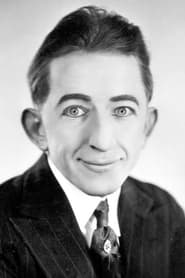
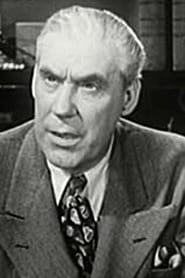
  • Joe Rock, listed in the cast, would later become a producer and important figure in Hollywood comedy production.
  • Florence Curtis appears in the cast as the girlfriend figure in the central misunderstanding, a common narrative device in silent slapstick shorts.
  • Many Larry Semon films survive only incompletely or with limited documentation, making exact running times and some production details difficult to verify today.
  • The film is associated with Vitagraph, one of the major American film studios of the silent era before the industry consolidated around later corporate giants.
  • Like many 1910s comedies, the film likely relied heavily on visual storytelling and intertitles rather than dialogue-driven humor.
  • Automobile chases were a staple of silent comedy, and this film fits squarely within that early tradition of mechanically assisted slapstick.
  • Because of the scarcity of surviving archival material, the film is better known through catalog records and filmography references than through broad modern revival screenings.

What Critics Said

Contemporary critical reception specific to this title is difficult to document in surviving trade sources, which is common for many short silent comedies from 1917. In its own time, Larry Semon was generally recognized as a dynamic comic performer, and Vitagraph shorts of this type were typically reviewed as light entertainment rather than as prestige cinema. Modern critical interest tends to focus less on this particular title as a standalone classic and more on its place within Semon's career, silent-era slapstick conventions, and early automotive comedy. Because the film is obscure and documentation is limited, it is usually discussed by historians in archival or filmographic contexts rather than in broad critical reassessments.

What Audiences Thought

Audience response is not well documented in surviving sources, but the film was made for the mass theater audience that regularly attended short comedies in the 1910s. Larry Semon was popular enough to headline a steady stream of releases, suggesting that viewers responded to his frantic physical style and the broad, fast-paced humor of his films. The chase structure and car-related antics would have been especially appealing to audiences of the period, for whom automobile comedy felt fresh and topical. Like many silent shorts, its success was likely measured more by exhibitor demand and star popularity than by formal box-office tracking.

Film Connections

Influenced By

  • Vaudeville physical comedy traditions
  • Early American chase films
  • Broad slapstick farce
  • The growing cultural novelty of automobiles in the 1910s

This Film Influenced

  • Later car-chase slapstick shorts of the 1920s
  • Subsequent comedy routines built around mistaken identity and runaway vehicles

Film Restoration

Preservation status is uncertain in readily available public references; the film is an early silent short and may survive only in archival or incomplete form, with documentation far less abundant than for major feature titles. It should be treated as a scarce historical item unless verified prints or restorations are located in a specific archive catalog.

Themes & Topics