A Date to Skate
Plot
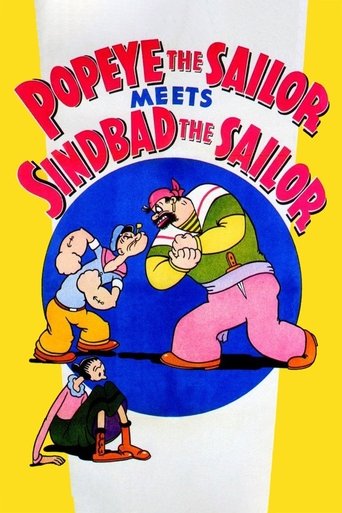
Popeye takes Olive Oyl to a roller-skating rink for a cheerful outing, intending to teach her how to skate. Olive, however, has never been on skates before and proves to be a hopeless beginner, wobbling, stumbling, and requiring constant help from Popeye. As Popeye tries to coach her through the basics, her lack of balance turns the lesson into a series of escalating slapstick mishaps that repeatedly put both of them in danger. The action eventually spills beyond the safety of the rink, and Olive ends up careening wildly out of control into the open, transforming the date into a comic rescue mission for Popeye. Like many Popeye shorts, the film builds from gentle domestic comedy into fast-paced physical chaos, with Olive’s incompetence and Popeye’s exasperated heroism providing the central gag structure.
Director
Dave FleischerCast
About the Production
A Date to Skate is a theatrical Popeye cartoon short produced during the late Paramount/Fleischer period, when the studio was turning out the character’s adventures as one-reel animated comedies for cinemas. Like many Popeye cartoons of the era, it was created entirely as an animated production rather than photographed on live-action locations, with the skating rink and surrounding spaces designed as stylized cartoon environments. The short showcases the Fleischer team’s skill at elastic character animation and broad slapstick timing, especially in scenes where Olive’s body language conveys panic and loss of control. No reliable budget or box-office figures are generally reported for individual 1930s Popeye shorts, which were distributed as part of studio release programs rather than as stand-alone feature attractions.
Historical Background
A Date to Skate was produced in 1938, a period when Hollywood animation was dominated by theatrical shorts shown before features in movie theaters. Fleischer Studios was one of the major animation houses competing with Disney, Warner Bros., and MGM, and Popeye had become one of the studio’s most reliable attractions. The short emerged during the late Depression era, when audiences were drawn to escapist entertainment, upbeat comedy, and recognizable screen personalities. Its setting reflects contemporary leisure culture, especially roller rinks as fashionable social spaces, while its humor remains rooted in vaudeville-style physical comedy and the exaggerated timing of silent-era slapstick translated into sound animation. The film matters historically because it belongs to the body of Popeye cartoons that helped define American animation’s comic language and character-driven storytelling in the 1930s.
Why This Film Matters
Though modest in scale, A Date to Skate is part of the enduring Popeye mythos that influenced generations of animation and comedy. The short contributes to the popular image of Popeye and Olive Oyl as a mismatched, constantly bickering yet affectionate pair, a relationship that became central to the character’s screen identity. It also demonstrates how animated shorts of the period transformed everyday activities into elaborate comic spectacles, a technique that became foundational for later cartoon series. In broader cultural terms, the film reflects the popularity of skating-rink culture and the use of leisure settings as sites for romantic comedy and physical gags. Today it is of interest to animation historians, Popeye enthusiasts, and collectors of classic short subjects because it captures the style and sensibility of prewar American animation at a mature stage.
Making Of
A Date to Skate was made within Fleischer Studios’ efficient animation production system, where directors and animators specialized in delivering short, gag-driven cartoons on a tight schedule. Dave Fleischer, one of the studio’s key creative figures, oversaw the short as part of the studio’s dependable Popeye output for Paramount. The production likely relied on the familiar house style developed by the Fleischers: strong character acting, rhythmic slapstick, and visually inventive sequences designed to maximize comic movement. The skating-rink setting gave the animators an opportunity to stage fluid motion, falls, spins, and out-of-control momentum, all of which were especially well suited to cartoon exaggeration. As with many Popeye shorts, the character dynamics were already well established, allowing the filmmakers to focus on timing, action, and visual gags rather than elaborate exposition.
Visual Style
As an animated short, the film does not have cinematography in the live-action sense, but it does display characteristic Fleischer visual staging and motion design. The skating sequences are built around fluid, elastic movement, with repeated use of momentum, wobbling balance, and sudden directional changes to create comic tension. Backgrounds are simple but functional, allowing the action to stay focused on the performers’ bodies and facial expressions. The cartoon’s visual style reflects the studio’s emphasis on clear silhouettes, expressive poses, and strong timing, all of which are essential to selling the illusion of speed and instability on skates.
Innovations
The film’s main technical strength lies in its animation of motion, especially the challenge of depicting roller skating in a way that feels dynamically unstable and funny. Fleischer animators were particularly adept at exaggerating movement, and this short uses that expertise to turn ordinary skating into a series of visual set pieces. The cartoon also demonstrates the studio’s refined ability to synchronize vocal performance, sound effects, and physical action. While not a technological breakthrough, it is a polished example of the studio’s professional high-level craftsmanship in theatrical animation.
Music
The short uses the typical sound design of late-1930s Popeye cartoons, with music, sound effects, and character vocalizations all working together to intensify the slapstick. No separately credited standalone score is commonly cited for this title, but the accompaniment would have been composed or assembled in-house to match the action beat-for-beat. Musical cues are used to punctuate falls, spins, and sudden bursts of motion, while the voices of Jack Mercer and Mae Questel provide the character-specific personality that drives the comedy. The soundtrack is an integral part of the timing, turning each stumble and correction into a rhythmic comic event.
Famous Quotes
I can’t verify any widely cited, canonical spoken quote specific to this short beyond the standard Popeye and Olive Oyl dialogue heard in the cartoon.
The film is better remembered for its comic situations and vocal performance than for any single famous line.
Memorable Scenes
- Popeye patiently trying to instruct Olive Oyl on the basics of roller skating while she teeters and loses balance at every step.
- Olive’s skating effort turning from awkward wobbling into full-blown uncontrolled motion as she drifts beyond the rink’s safety.
- The escalating slapstick sequence in which Popeye attempts to manage the situation while Olive becomes increasingly impossible to stop.
Did You Know?
- This is a classic Popeye theatrical cartoon short rather than a feature film, originally designed to play in cinemas as part of a short-subject program.
- The film pairs Jack Mercer as Popeye and Mae Questel as Olive Oyl, two of the most recognizable voice performers associated with the characters in the 1930s.
- The comedy centers on a simple premise that was very common in Popeye cartoons: a domestic or courtship situation escalating into exaggerated physical chaos.
- Roller skating was a popular modern leisure activity in the 1930s, and the cartoon uses it as a familiar social setting for slapstick animation.
- The short is part of the long-running Fleischer Popeye series that helped solidify Popeye’s screen identity independent of the comic strip origin.
- Olive Oyl’s awkwardness is the comic engine of the film, echoing a recurring character trait that animated shorts frequently amplified for physical humor.
- The cartoon is preserved and has circulated through classic-cartoon television packages and home-video releases over the years.
- Because the film is a theatrical short from the pre-television era, it is often discussed in film histories as part of the studio system’s shorts production pipeline rather than as a self-contained feature release.
What Critics Said
Contemporary reviews of individual Popeye shorts were not usually as extensively documented as feature films, so detailed period criticism for A Date to Skate is limited. Within the context of the series, however, Popeye cartoons were generally popular with exhibitors and audiences because they delivered dependable laughs, brisk pacing, and familiar characters. Modern assessment tends to view the film as a competent, enjoyable entry in the Fleischer Popeye canon rather than as one of the most famous or artistically ambitious shorts. Critics and historians typically value it for its animation craftsmanship, character comedy, and its place within the broader evolution of Popeye on screen.
What Audiences Thought
At the time of release, the short was intended to amuse theatergoers as part of a mixed program, and Popeye cartoons were widely liked by general audiences who recognized the characters immediately. The appeal lay in the quick setup, the escalating physical mishaps, and the satisfying comic energy of Olive’s inability to skate gracefully. Over time, the film has remained of interest primarily to classic-cartoon fans and historians rather than casual viewers, but it benefits from the long-lasting popularity of Popeye as a character. Its reception today is generally positive among viewers who appreciate vintage animation and old-school slapstick humor.
Film Connections
Influenced By
- Popeye the Sailor comic strip by E. C. Segar
- Vaudeville slapstick comedy
- Silent-era physical comedy traditions
- 1930s theatrical short-subject cartoon conventions
This Film Influenced
- Later Popeye theatrical cartoons
- Subsequent animated slapstick shorts featuring clumsy romantic pairings
- Later television cartoons that used escalation-from-simple-task comedy
You Might Also Like
More Animation Films
View allMore from Dave Fleischer
View allFilm Restoration
The film survives and is preserved as part of the extant Popeye theatrical cartoon library. It has circulated in television packages, archival screenings, and home-video compilations of classic animation.