1913 · Approximately 10-20 minutes

Also available on: Archive.org
An Old Man's Love Story

An Old Man's Love Story

1913 Approximately 10-20 minutes United States
Romantic sacrificeFamily dutyClass and moneyMarriage as social contractParental pressure

Plot

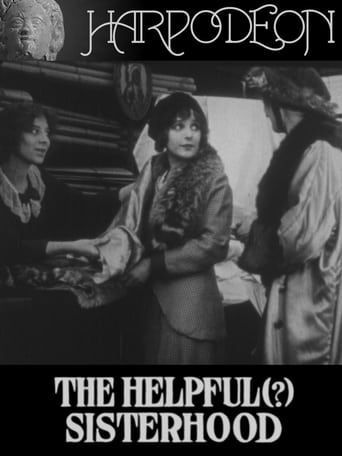
Ethel is a young woman caught between her own love and her family's financial desperation. Her parents, facing economic hardship, pressure her to secure a marriage to a wealthy man who can rescue them from ruin, even though Ethel’s heart belongs elsewhere. When her father’s affluent friend becomes a possible suitor, the emotional stakes rise and Ethel is forced to confront the cost of duty versus affection. The story builds as the conflict between romance, social obligation, and parental sacrifice comes to a head, reflecting the moral melodrama typical of early 1910s drama films.

About the Production

Release Date 1913
Production Vitagraph Company of America

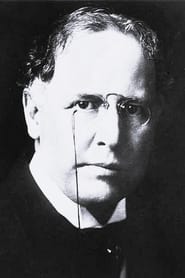
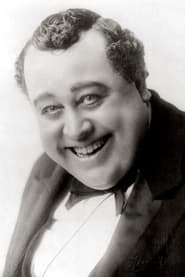
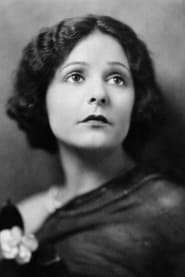
This is an early Vitagraph one-reeler drama directed by Van Dyke Brooke, a key creative figure at the studio during the silent era. Like many American films of 1913, it was produced quickly and economically on studio sets and practical interiors, with the emotional weight carried primarily by performance, staging, and intertitles rather than elaborate spectacle. The surviving documentation is limited, which is typical for short silent-era productions of this period, and precise production records such as budgets, shooting locations, and box-office returns do not appear to have been preserved in readily accessible sources. Its cast includes James Lackaye, Florence Radinoff, and Norma Talmadge, with Talmadge appearing during her Vitagraph years before she became one of the major stars of the 1910s and 1920s.

Historical Background

The film was made in 1913, during a pivotal period in American cinema when the industry was expanding rapidly from one-reel shorts into more complex dramatic forms. This was also an era of strong social emphasis on family duty, class mobility, and moral consequence in popular storytelling, which made domestic melodrama especially resonant with contemporary audiences. Vitagraph was among the major East Coast studios helping to define the grammar of screen drama before Hollywood fully dominated production. The film reflects the period’s concern with women’s roles in the family economy and the tension between romantic choice and financial necessity, a theme that appears frequently in silent-era domestic dramas.

Why This Film Matters

While not widely known today, the film is culturally significant as an example of early American melodrama and as part of the body of work that established the careers of important silent-era personnel. It also illustrates the kinds of moral and social anxieties that early cinema often dramatized for middle-class audiences: debt, marriage, sacrifice, and the pressure of respectability. The film contributes to an understanding of how silent-era shorts handled emotional storytelling with economical means, making it useful to historians studying the development of narrative cinema. Its association with Norma Talmadge adds additional value, since her early roles are important to tracing the evolution of star persona in American film.

Making Of

An Old Man’s Love Story was produced at a time when Vitagraph was one of the leading American film studios and Van Dyke Brooke was a central figure in its dramatic output. Productions of this kind were typically mounted with a small company of stock performers, limited locations, and an emphasis on clear, expressive acting that could communicate plot turns without synchronized sound. The presence of Norma Talmadge is notable because 1913 was still early in her film career, and Vitagraph used her effectively in emotionally charged material that helped build her screen persona. No detailed surviving production diary or making-of record appears to be widely available, so the film’s behind-the-scenes history is inferred from standard Vitagraph studio practice and the careers of the principal cast and director.

Visual Style

Specific cinematographer credit and shot-by-shot visual analysis are not widely preserved in accessible records for this title, but the film would have been photographed in the straightforward, frontally staged style typical of 1913 Vitagraph dramas. Early silent cinematography often emphasized stable camera setups, well-lit interiors, and composition that allowed actors’ gestures and facial expressions to carry dramatic meaning. The likely visual approach would have favored clear staging of domestic spaces and carefully arranged blocking to make social relationships immediately understandable to the audience. Any expressive visual interest would have come from the actors’ performances, the use of intertitles, and the contrast between the heroine’s emotional conflict and the wealth implied by the suitor’s world.

Innovations

The film does not appear to be associated with major technical innovations, but it is representative of the mature short-form silent dramatic style of the early 1910s. Its significance lies in the efficient narrative construction required to tell a socially charged story within a brief running time. The film likely relied on careful intertitle placement, actor-led emotional continuity, and classical tableau staging, all of which were important steps in the development of narrative clarity in American cinema. As a Vitagraph production, it belongs to a studio known for professional craftsmanship and polished production values rather than technological experimentation.

Music

As a silent film, An Old Man’s Love Story had no synchronized recorded soundtrack. In its original exhibition, it would typically have been accompanied by live music chosen by the theater musician or exhibitor, often a pianist, organist, or small ensemble. The exact cue sheet or commissioned score, if any, is not readily documented in surviving standard references. Modern presentations of silent films from this era are usually paired with newly arranged accompaniment or improvised piano scoring.

Memorable Scenes

  • Ethel is confronted with the emotional and financial consequences of her parents’ distress, forcing her to weigh love against family obligation.
  • The film’s central decision point, in which a wealthy suitor becomes a practical solution to the family’s troubles, crystallizes the story’s melodramatic tension.
  • The final emotional resolution, shaped by sacrifice and moral choice, would have been the kind of climactic domestic confrontation that early silent dramas favored.

Did You Know?

  • The film was directed by Van Dyke Brooke, who was one of Vitagraph’s most important early directors and a frequent writer, actor, and studio craftsman.
  • Norma Talmadge appears in the cast during the formative years of her screen career, before she became a major star associated with sophisticated dramatic roles.
  • As a 1913 release, it belongs to the transitional era when American films were still commonly short subjects rather than feature-length productions.
  • The title suggests a melodramatic domestic story, and the known plot focuses on sacrifice, class pressure, and marriage as a financial solution.
  • The film is associated with Vitagraph, one of the most influential American companies of the pre-feature era.
  • Information on full credits, running time, and exact release date is scarce, which is common for many surviving database records of silent shorts from this period.
  • The film’s storyline reflects a familiar early-cinema theme in which a woman’s romantic choice is constrained by family economics and social expectations.
  • Because many Vitagraph films of this era are lost or fragmentary, modern knowledge of the title depends heavily on catalog records and archival listings rather than widely circulating prints.

What Critics Said

Contemporary critical response specific to this title is difficult to document in surviving sources, and no widely cited major reviews are readily attached to the film in modern reference materials. In the context of 1913 Vitagraph dramas, such films were generally reviewed as dependable program material, with attention paid to the clarity of the acting and the emotional force of the story rather than to auteurist style. From a modern perspective, the film is mainly of interest to historians and silent-film scholars because of its cast, studio pedigree, and its place within early domestic melodrama. Its critical reputation today is therefore archival and historical rather than based on broad contemporary revival notice.

What Audiences Thought

There is no robust surviving evidence of audience reaction specific to this title, which is common for silent shorts of the period. At the time, films of this type were generally designed for broad appeal on the nickelodeon and program-cinema circuit, relying on relatable domestic conflict and moral tension to engage viewers quickly. The premise of a daughter pressured to marry for money would likely have been immediately legible and emotionally effective for audiences of the day. Today, audience awareness is limited largely to silent-film enthusiasts, researchers, and database users seeking early works connected to Norma Talmadge or Vitagraph.

Film Connections

Influenced By

  • Early Victorian and Edwardian domestic melodrama
  • Stage melodrama traditions
  • Turn-of-the-century moral fiction about marriage and class

This Film Influenced

  • Later silent domestic melodramas
  • Early 20th-century romance dramas centered on marriage and class conflict

Film Restoration

The survival status is uncertain in widely accessible modern references; no commonly circulating preservation record is readily confirmed here, and the film may be lost or only held in archival collections if extant.

Themes & Topics