Chop Suey & Co.
Plot
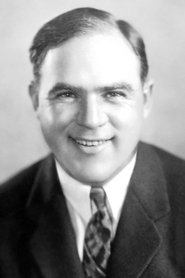
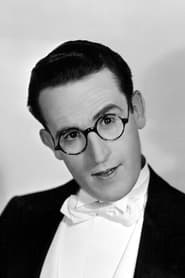
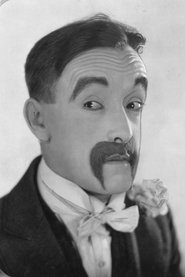
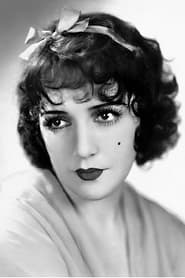
In this short Hal Roach comedy, Harold Lloyd and Snub Pollard play hapless characters caught up in the bustle of a chop suey restaurant and the chaos that follows around it. The film builds from everyday comic business into escalating misunderstandings, physical gags, and the kind of fast-paced, improvisational-looking slapstick that was a hallmark of Lloyd's early shorts. Bebe Daniels appears as part of the romantic and comic complications, helping drive the action into situations of mistaken identity and frantic pursuit. As with many one-reel comedies of the period, the plot is secondary to a string of elaborate visual jokes, but it follows a clear arc of disruption, confusion, and comic restoration by the end.
About the Production
Chop Suey & Co. was produced during Harold Lloyd's early partnership with Hal Roach, when the Rolin company was turning out a large volume of short comedies for the silent-era market. Like many Roach productions of the period, it was made economically and quickly, relying on tightly staged physical comedy rather than elaborate sets or special effects. The film belongs to the phase when Lloyd was still developing the persona that would later mature into his famous glasses-wearing optimistic everyman, so the comedy is rooted more in broad slapstick ensemble play than in his later, more character-driven features. Surviving documentation on the film is limited, so precise details such as exact shooting dates, budget, and location interiors are not widely documented in standard references.
Historical Background
The film was released in 1919, immediately after World War I and during a period of rapid change in American culture, entertainment, and urban life. Silent film comedy was at a peak of popularity, and short subjects remained an essential part of cinema programming, often accompanying feature films in theaters across the United States. Hal Roach's studio was becoming one of the key comedy factories of the era, and Harold Lloyd was emerging as a major screen comedian whose work would soon move beyond shorts into more ambitious feature productions. The film also reflects the era's casual use of ethnic signifiers and restaurant caricature in popular entertainment, which is historically important both for understanding silent comedy conventions and for recognizing the limitations and biases of mainstream American culture at the time.
Why This Film Matters
Although Chop Suey & Co. is not one of the best-known Harold Lloyd titles, it is culturally significant as part of the foundation of his career and of Hal Roach's comedy empire. Films like this helped establish the comic rhythms, ensemble methods, and production model that would feed directly into the development of American screen comedy in the 1920s. It also offers modern viewers and historians evidence of how silent comedy treated urban novelty settings, restaurant chaos, and ethnicized humor in ways that were common at the time but are now viewed critically. In that sense, the film matters less as a standalone classic than as a representative artifact of early Hollywood comic practice and social attitudes.
Making Of
Chop Suey & Co. was made in the efficient factory-style environment of Hal Roach's early comedy unit, where performers worked repeatedly with a stable crew and the emphasis was on rhythm, timing, and visual clarity. Harold Lloyd was at this stage still refining the kind of comic persona that would eventually make him one of the most important stars of silent cinema, and his work in shorts like this helped him practice the blend of aggression, charm, and athletic comic energy that became his trademark. The cast pairing with Snub Pollard and Bebe Daniels reflects the ensemble approach of Roach comedies, in which familiar supporting players could be mixed and matched to create reliable comic chemistry. Because the film is so early and because detailed production paperwork has not survived in common reference sources, many behind-the-scenes specifics are unknown, but the film clearly belongs to the highly prolific, low-overhead production style that made Roach a major comedy producer.
Visual Style
The cinematography is typical of late-1910s silent comedy: fixed or lightly adjusted camera setups, clear staging, and emphasis on keeping the action legible for viewers. The visual style would have prioritized physical business, reaction shots, and spatial coherence so that the rapid comic confusion could be easily followed. As with many Roach shorts of the period, the film likely uses simple interior and exterior setups with strong blocking, allowing the performers' movement and timing to carry the humor. There is no evidence of unusual camera innovation, but the film's value lies in its clean comic framing and efficient visual storytelling.
Innovations
The film does not appear to be associated with any major technical innovation. Its significance is instead rooted in the refinement of silent slapstick technique: precise physical staging, brisk editing, and clear visual setups that maximize comic payoff. The film demonstrates the early studio-era mastery of timing and ensemble coordination that would become a hallmark of Hal Roach productions. Its technical value is historical rather than revolutionary, illustrating how efficient silent comedies were made for mass audiences.
Music
As a silent film, Chop Suey & Co. did not have a synchronized soundtrack or recorded score at the time of release. Like most silent comedies, it would originally have been accompanied in theaters by live music, typically a piano or small ensemble playing improvisatory cues tailored to the action. No original composed score is known to survive as a standard part of the film's release history. Modern presentations, when available, may use curated silent-film accompaniment or archival restoration music, depending on the source copy.
Memorable Scenes
- A series of escalating comic business around the chop suey restaurant setting, where ordinary meal-time activity turns into chaotic slapstick.
- Harold Lloyd and Snub Pollard's interplay as a comic duo, using timing and reaction shots to drive the humor.
- The film's finale-like sequence of confusion and pursuit, which resolves the central misunderstanding through physical comedy rather than dialogue.
Did You Know?
- The film is a Harold Lloyd short from the period before his feature-length stardom, when he was still a dominant figure in two-reel and one-reel comedy shorts.
- Hal Roach directed the film, placing it within the early run of Roach-produced silent comedies that helped define American screen slapstick in the late 1910s.
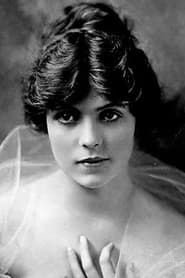
- Bebe Daniels appears in the cast, one of several performers who moved through Roach's comic stock-company system before later careers in features and other media.
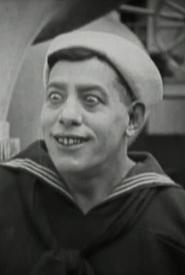
- Harry 'Snub' Pollard was one of the era's most recognizable comic supporting players, often serving as a foil whose expressions and timing amplified the absurdity of the action.
- The title reflects a period fashion for using Chinese restaurant imagery and phrases in comic titles, a reminder of how often silent-era comedy borrowed from ethnic stereotypes and urban novelty settings.
- The film is now obscure and is chiefly of interest to historians of Harold Lloyd, Hal Roach, and silent short-comedy production.
- As with many 1910s shorts, complete critical coverage from the time is sparse, so the film is better documented through filmographies and archival listings than through detailed reviews.
- The film belongs to the transitional moment before Lloyd's character became fully standardized, offering a glimpse of his earlier, more anarchic screen style.
- Its production fits the industrial model of the 1910s studio short: fast turnaround, a small cast, and comedy built around repeated action beats and sight gags.
What Critics Said
Contemporary critical reception is difficult to reconstruct in detail because many trade and newspaper notices from the period have not been widely preserved or indexed for this specific short. Like many Harold Lloyd one-reelers and two-reelers from 1919, it was likely received as a dependable comedy program item rather than as a prestige attraction requiring extensive review coverage. Modern scholarship tends to treat it as a minor but useful entry in Lloyd's filmography, valuable for tracing his evolution and for studying the output of the Hal Roach studio. Its surviving reputation is therefore archival rather than critical: appreciated by historians and collectors more than by general audiences.
What Audiences Thought
As a short comedy made for general theater audiences in 1919, the film was intended to deliver immediate laughs through action, confusion, and personality-driven gags. Audience response at the time would have depended largely on the popularity of Harold Lloyd and the familiarity of the Roach comedy brand, both of which were strong enough to ensure broad appeal. Today, audiences who encounter the film usually do so as part of retrospective collections or silent-comedy programs, where it is appreciated as a brisk example of Lloyd's early work. General modern audience awareness is low because the film is not among the most frequently circulated Lloyd titles.
Film Connections
Influenced By
- Vaudeville comedy traditions
- Early Keystone-style slapstick
- Broad stage farce
- Silent-era restaurant and workplace comedies
This Film Influenced
- Later Harold Lloyd silent comedies featuring escalating physical jeopardy
- Hal Roach ensemble comedies of the 1920s
- Subsequent workplace and restaurant farce shorts in American silent cinema
You Might Also Like
More Comedy Films
View allMore from Hal Roach
View allFilm Restoration
Survival status is not clearly documented in the most commonly cited public references for this title, and it is best treated cautiously as a rare or poorly documented silent short. It does not appear to be among Harold Lloyd's best-circulated surviving shorts, so access may depend on archive holdings or specialized silent-film collections. Because precise preservation details are not consistently published, a definitive restoration history is not readily available from standard sources.