Hooligan Assists the Magician
Plot
In this brief comic fantasy, Happy Hooligan volunteers to assist a stage magician who is demonstrating a series of tricks before an audience. Hooligan's well-meaning but clumsy participation quickly turns the performance into a chain of mishaps, as each magical experiment is disrupted by his untimely interference. The magician attempts to maintain control of the act, but the assistant's antics escalate the chaos and push the routine into broad slapstick. The film plays as a single gag-driven scenario, emphasizing visual surprise, stage illusion, and the comic clash between a professional performer and an inept helper.
Director
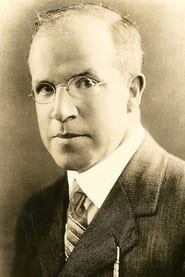
J. Stuart BlacktonCast
About the Production
This is an early one-reel Edison comic film built around the popular comic-strip character Happy Hooligan, with J. Stuart Blackton both directing and appearing in the production. As with many films from 1900, precise production records are scarce, but the film is typical of Edison’s stage-bound trick and comic shorts, designed to be short, visually legible, and easily exhibitable on vaudeville-style programs. The comedy depends on simple theatrical illusion effects, likely using in-camera substitution tricks and carefully arranged stage business rather than elaborate location shooting. Surviving documentation indicates it was part of the wave of early screen adaptations that translated well-known newspaper characters into film.
Historical Background
This film was made at the dawn of narrative cinema, before feature-length storytelling had become standard and before film language had fully developed into a modern system of editing and camera movement. Around 1900, American studios such as Edison were experimenting with comic sketches, trick films, vaudeville acts, and newspaper-comic adaptations to attract both urban nickelodeon audiences and traveling exhibitors. The film matters historically because it demonstrates how early cinema borrowed from popular print culture and stage performance to create immediately recognizable entertainment. It also reflects the transitional moment when filmmakers were beginning to use established characters and recurring comic personas as a way to build audience familiarity across multiple shorts.
Why This Film Matters
Although not a major surviving cultural touchstone in the way later silent comedies became, the film is significant as an early screen incarnation of a mass-media comic-strip character. It shows how quickly American popular culture moved across formats: from newspaper cartoons to motion pictures to wider merchandising and audience recognition. The use of Happy Hooligan in cinema helped normalize the idea that beloved serialized characters could have screen lives independent of their printed origins. For historians, the film is valuable as evidence of how early comedy, magic, and cartoon-inspired performance converged in the formative years of film entertainment.
Making Of
Very little production documentation survives for this exact film, which is common for cinema made in 1900. What is known is that it was produced under Edison’s early film operations and directed by J. Stuart Blackton, who later became one of the most influential figures in early American filmmaking. The short was likely staged on an interior set, using theatrical blocking and simple visual effects to create the magician’s demonstrations and the resulting comic disruptions. Because films of this period were so short, the entire production would have been tightly choreographed to ensure that the gag landed clearly in a single viewing.
Visual Style
The cinematography would have been simple and frontal, consistent with 1900 studio filmmaking. The camera was likely locked in place, with the action staged deep within a proscenium-like frame so the audience could clearly follow the magician’s performance and Hooligan’s interference. Visual clarity would have been more important than camera movement, and the composition likely emphasized the full body performance of the actors to make the slapstick legible. Any illusion effects would have depended on timing, set arrangement, and basic substitution or stage-trick methods rather than later cinematic editing sophistication.
Innovations
The main technical interest of the film lies in its use of trick-film logic and stage-magic presentation in very early narrative comedy. While not a groundbreaking special-effects showcase on the level of later Méliès works, it likely relied on precise timing, simple illusion effects, and the controlled illusion of a theatrical stage environment. The film is also notable for adapting a recurring comic-strip figure into an on-screen persona at a very early date, demonstrating one of cinema’s first cross-media character strategies. Its production reflects the early studio system’s ability to generate short topical or character-based comedies efficiently.
Music
No original synchronized soundtrack exists, as the film predates sound cinema by nearly three decades. Like most silent films of the period, it would originally have been accompanied live by a pianist, organist, or small theater ensemble depending on the venue. Music selection would have been improvised or drawn from house cue sheets to match the comic, magical, and chaotic mood of the performance. No verified original score has survived.
Memorable Scenes
- Happy Hooligan volunteers to assist the magician on stage, establishing the central comic premise.
- The magician’s demonstrations are repeatedly interrupted by Hooligan’s blundering participation, turning a polished act into chaos.
- The film culminates in the visual disorder created by the assistant’s mishaps, a classic early cinema gag structure.
Did You Know?
- The film adapts Happy Hooligan, one of the most widely recognized comic-strip characters of the early 20th century.
- J. Stuart Blackton was a pioneering filmmaker and animator who helped establish Vitagraph, but he also acted in early Edison shorts like this one.
- The title character's name is often associated with silent-era slapstick because the character was designed to survive repeated comic humiliation without losing audience sympathy.
- This film belongs to the very earliest years of narrative cinema, when most films ran only a minute or two and were built around a single comic premise.
- Because it is a 1900 production, the surviving information is limited and comes largely from filmographic records rather than detailed studio paperwork.
- The film reflects the era's fascination with stage magic, trick photography, and screen comedy as closely related forms of visual entertainment.
- Early Edison comedies often used a proscenium-style setup, making the film resemble a photographed stage act rather than modern cinematic storytelling.
- The production is an example of how popular illustrated newspaper characters were repurposed for film audiences very soon after cinema became commercially viable.
- The film’s plot description survives in condensed catalog form, showing how exhibitors relied on concise promotional copy to market very short films.
- As an early comic short, it helped establish the template of a hapless character accidentally sabotaging an expert's performance.
What Critics Said
Contemporary critical reception is difficult to reconstruct in detail because early films of this length were rarely reviewed individually in the modern sense; they were more often described in exhibitor catalogues and trade notices. Available evidence suggests it would have been received as a light, amusing novelty, appealing especially to audiences familiar with Happy Hooligan and with stage-magician gags. Modern scholarship values the film primarily as a historical artifact of early screen comedy and character adaptation rather than as a work of major artistic ambition. Its importance today lies in film history and preservation studies, where even brief surviving references help map the development of American comic cinema.
What Audiences Thought
Original audience response is not well documented, but the film was clearly intended to be immediately readable and broadly entertaining. Early spectators tended to enjoy comic shorts that featured familiar characters, physical mishaps, and magic tricks because they rewarded quick comprehension and repeated exhibition. The film likely functioned well in mixed programs alongside actualities, novelty films, and other comedies, where its familiar source material would have provided a quick laugh rather than a complex narrative experience. Today, audiences interested in silent cinema and early film history generally approach it as a rare glimpse into cinema’s first comic routines.
Film Connections
Influenced By
- Happy Hooligan comic strip by Frederick Burr Opper
- Stage magic and vaudeville illusion acts
- Early trick films and theatrical comic sketches
This Film Influenced
- Later screen adaptations of comic-strip characters
- Early slapstick comedies built around incompetent assistants
- Short comedy films that pair magicians with disruptive helpers
You Might Also Like
More Fantasy Films
View allMore from J. Stuart Blackton
View allFilm Restoration
The film appears to survive only in references and filmographic records rather than as a widely circulating restored print; no readily confirmed modern restoration or commercial release information is available. Its present status should be treated cautiously, but it is generally discussed as an obscure early short with limited archival visibility.