1916 · Approximately 20 minutes

Also available on: Archive.org
Legal Advice

Legal Advice

1916 Approximately 20 minutes United States
Romantic rivalryFrontier comedyGender and professional authorityDeception and mistaken intentionLaw versus lawlessness

Plot

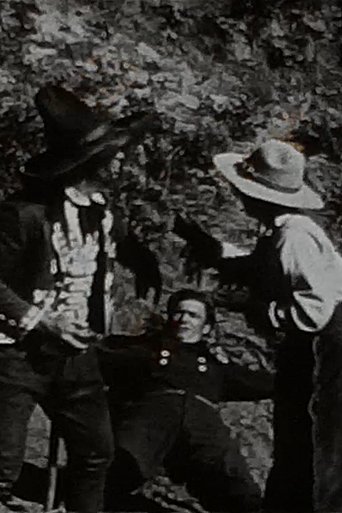
In this light Western comedy, a pretty lawyer arrives in a rough frontier town and immediately becomes the object of attention for the local cowboys, who make fools of themselves trying to impress her. Tom Mix plays one of the men who decides on a more elaborate scheme: he gets himself arrested so that he can be released into the lawyer’s custody, giving him an excuse to stay near her and win her favor. The plan seems to work at first, but the situation becomes complicated when the case goes to trial and the lawyer’s husband unexpectedly appears. The comic setup turns on mistaken intentions, romantic competition, and the kind of playful frontier absurdity that was characteristic of many early Tom Mix two-reelers.

About the Production

Release Date 1916
Production Selig Polyscope Company
Filmed In Likely filmed in Southern California, where Selig Polyscope frequently produced its Western shorts, No specific verified location has been documented in surviving standard references

Legal Advice is a short silent Western comedy from the mid-1910s, produced during the period when Tom Mix was building his screen persona through fast-paced action, comic bravado, and cowboy romantic rivalry. Like many Selig Westerns of the era, it was almost certainly mounted as a compact two-reel production with minimal sets, emphasizing outdoor action, horse work, and broad visual humor. Surviving documentation on exact production circumstances is limited, so precise budget figures, shooting schedules, and individual crew credits are not reliably available. The film is notable chiefly as part of the early collaboration of Tom Mix, Victoria Forde, and Pat Chrisman in the silent Western-comedy mode that helped define Mix’s pre-feature stardom.

Historical Background

Legal Advice was produced in 1916, during a pivotal moment in American silent cinema when feature-length films were becoming more dominant but the short subject still remained an important part of exhibition programs. Westerns were especially popular, and Tom Mix was one of the performers helping to move the genre away from simple frontier melodrama toward a more athletic, spectacular, and personality-driven style. The film also reflects the cultural climate of the 1910s, when women’s roles in public life were changing rapidly and the image of a female lawyer would have carried a modern, slightly comic novelty for audiences. In the broader history of the genre, this film sits at the intersection of slapstick, frontier romance, and the evolving screen cowboy myth.

Why This Film Matters

Although not a major surviving classic in the popular canon, Legal Advice is culturally significant as a representative example of how early Western cinema blended action, comedy, and social novelty. It shows Tom Mix at a formative stage, before his later feature-length fame, helping document the transition from rough-and-ready short subjects to more polished star vehicles. The film is also of interest for its depiction of a professional woman in a frontier setting, using her presence to generate comic conflict and to highlight the tensions between modernity and cowboy bravado. For historians, it offers another piece of evidence in understanding how early Hollywood created enduring Western stereotypes and star identities.

Making Of

Legal Advice was made at a time when Tom Mix was developing the screen persona that would later make him a major Western star: a quick-witted, physically daring cowboy who could handle action but also play comedy. Selig Polyscope specialized in efficient short subjects, so the production would have been designed around a compact script, strong visual gags, and practical location work rather than elaborate sets. The casting of Victoria Forde is historically significant because she was one of the central women in Mix’s early filmography and a frequent on-screen partner, helping establish the romantic-comic dynamic often used in these shorts. Surviving records do not preserve detailed accounts of the shoot, but the film clearly fits the studio’s formula of Western action mixed with broad farce, a combination that helped distinguish Mix from more straightforward dramatic cowboy heroes.

Visual Style

The cinematography would have been typical of mid-1910s silent Western shorts: mostly static or lightly mobile cameras, clear staging in medium and full shots, and emphasis on readable physical action. Outdoor locations were a crucial part of the visual appeal, allowing horseback movement and frontier spaces to be used as both setting and comic playground. The film likely used straightforward blocking to keep the comedy legible, with close attention to entrances, reactions, and the physical reveal at the trial sequence. While no specific cinematographer credit is reliably preserved in the prompt materials, the visual style is consistent with Selig’s practical, action-oriented house approach.

Innovations

The film does not appear to be associated with major technical innovations, but it represents the efficient craftsmanship of early silent Western production. Its technical value lies in the blending of comedy and action within a short running time, requiring clear staging, swift narrative economy, and physically expressive performance. The arrest-and-custody gimmick is a narrative device that depends on visual clarity rather than dialogue, illustrating how silent filmmakers encoded complicated social situations through gesture and situation. As a Selig production, it likely depended on practical stunt work and outdoor filming rather than studio-bound technique.

Music

As a silent film, Legal Advice did not have an original synchronized soundtrack. In 1916, it would have been accompanied in theaters by live music, typically a pianist, organist, or small ensemble, with cues improvised or assembled from stock theatrical music. No surviving original cue sheet or commissioned score has been verified in the available information. Any modern presentation would generally rely on a contemporary silent-film accompaniment or archive-selected music.

Famous Quotes

No synchronized spoken dialogue survives from this silent film.
Any intertitles used in the original release have not been reliably documented in standard references.

Memorable Scenes

  • The cowboys’ exaggerated attempts to impress the pretty lawyer as soon as she arrives in town
  • Tom’s comic plan to get himself arrested so he can be released into the lawyer’s custody
  • The courtroom/trial sequence where the romance plot is disrupted by the sudden appearance of the lawyer’s husband

Did You Know?

  • The film belongs to Tom Mix’s pre-feature period, when he was one of the biggest names in short Western comedies and action pictures.
  • Victoria Forde appears in the film, and she was one of the key performers associated with Tom Mix’s early screen career; the two later married in real life.
  • Pat Chrisman, another regular in early Westerns, appears in the cast, reinforcing the familiar ensemble approach used in many Selig productions.
  • The premise plays with a comic inversion of frontier masculinity: instead of a gunfight or chase being the main engine, the story hinges on a legal situation and romantic embarrassment.
  • The title itself is unusual for a Western, suggesting a blend of courtroom comedy and cowboy farce that was common in short silent-era genre hybrids.
  • Because it is a silent film from 1916, any surviving version would have originally been accompanied by live music in theaters rather than a synchronized recorded score.
  • Many early Tom Mix films were distributed as shorts and are less documented than his later Fox features, which makes exact production data hard to verify today.
  • The film reflects the era’s fascination with modern professional women, here represented by the lawyer, while still treating the situation as comic and socially disruptive.
  • Like many Selig shorts of the time, the film likely relied on physical comedy, exaggerated business, and outdoor action to communicate plot points efficiently without intertitles overburdening the narrative.

What Critics Said

Contemporary detailed critical coverage of Legal Advice is sparse, which is typical for many 1916 short subjects. At the time, films like this were usually reviewed in trade publications and local newspaper listings more for their entertainment value and star appeal than for deep aesthetic analysis. In retrospect, historians tend to value it as part of Tom Mix’s early body of work and as an example of the lively, economical comic Westerns produced by Selig Polyscope. Its reputation today is therefore mostly archival and historical rather than based on an extensive tradition of critical reassessment.

What Audiences Thought

There is no surviving comprehensive box office record for the film, but Tom Mix was a dependable audience draw in the mid-1910s, and his Western shorts were popular with patrons who enjoyed action, horses, and comedy. The premise of a cowboy scheming to get close to a lawyer would likely have played well as a comic curiosity, especially for audiences accustomed to rapid-fire short subjects in mixed programs. As with many silent shorts, audience response was probably strongest in nickelodeon and vaudeville-era exhibition contexts where pacing and spectacle mattered more than detailed narrative complexity.

Film Connections

Influenced By

  • Early silent Western short subjects
  • Frontier farce and stage comedy traditions
  • Tom Mix’s established screen persona in Selig Westerns

This Film Influenced

  • Later Tom Mix Western features that mixed comedy with action
  • Subsequent cowboy comedies that used romantic misunderstanding as a central device

Film Restoration

The preservation status is uncertain in standard readily available references. It may survive in archival holdings or private collections, but no widely documented restoration or commercial home-media edition is commonly cited. As with many 1910s short films, complete preservation information is limited and the film is not broadly circulated today.

Themes & Topics