1917 · Approximately 20 minutes

Also available on: Archive.org
The Villain

The Villain

1917 Approximately 20 minutes United States
Parody of melodramaIdentity through imitationVillainy as comedyPerformance and exaggerationPopular culture recycling

Plot

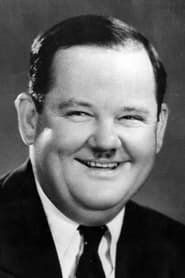
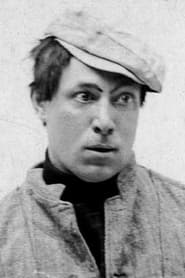
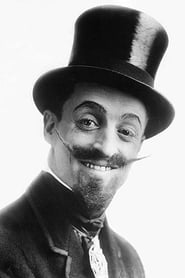
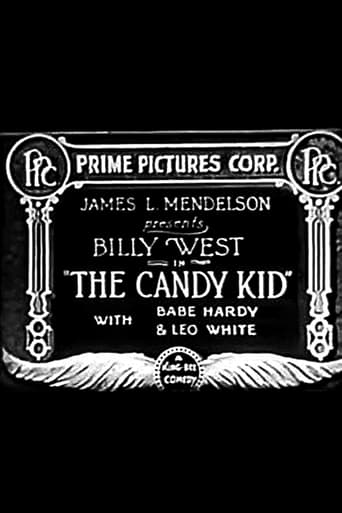
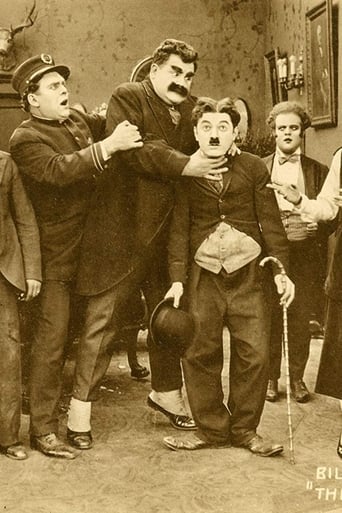
Billy West appears in a broad Keystone-style comedy as a top-hatted villain, a variation on the Charlie Chaplin persona he had been impersonating for comedy shorts of the period. Rather than playing the lovable tramp, he leans into the “bad Charlie” figure seen in some of Chaplin’s earlier Keystone films, turning the familiar silhouette into the engine for a series of melodramatic spoofs. The film pokes fun at old-fashioned stage and screen melodramas, with exaggerated villainy, outré confrontations, and rapid-fire comic escalation. Oliver Hardy, still early in his screen career, appears in the supporting cast, adding another layer of silent-comedy history to the short. The story unfolds as a succession of comic set pieces built around deception, threat, and visual gag-driven chaos, with the parody of pulp melodrama providing the framework for Billy West’s routine.

About the Production

Release Date 1917
Production King Bee Studios
Filmed In Fort Lee, New Jersey, USA

This short is part of the wave of Billy West comedies that closely imitated Charlie Chaplin during the 1910s, a practice common in early slapstick production when star-persona imitation was itself a marketable attraction. The film is notable for shifting West away from the sweeter Chaplin-like tramp toward a more deliberately menacing, top-hatted variant that echoes the nastier early Keystone Chaplin character. Its comedy relies heavily on parodying melodramatic conventions that were instantly recognizable to contemporary audiences, especially the broad villain roles associated with stage and screen melodramas. As with many independent silent shorts of the era, documentation on exact budgets and box office performance is not surviving or not reliably published.

Historical Background

The Villain was made in 1917, at a moment when the American film industry was consolidating around star-driven features while short-form slapstick comedy remained extremely popular in theaters. Silent comedians were competing in a crowded market where audiences knew the visual shorthand of melodrama, villainy, and parody almost instantly, allowing shorts like this to get laughs through recognition as much as through plot. The film also sits within the post-Keystone legacy of Charlie Chaplin, whose early screen image had already become so influential that imitators like Billy West could build entire careers around echoing it. In a broader historical sense, 1917 was a wartime year in the United States, and cinema was increasingly professionalized, but short comedies still formed a major part of exhibition programs. The film matters today because it captures a transitional moment in comic cinema: the refinement of parody, the recycling of star personas, and the early screen work of Oliver Hardy before his later global fame.

Why This Film Matters

Although not a landmark in the sense of a major feature or widely canonized classic, The Villain is culturally significant as evidence of how deeply Chaplin’s image penetrated popular culture during the silent era. Billy West’s imitation work demonstrates that a film star persona could become so widely recognized that it was immediately legible as a comic template for other performers and studios. The film is also valuable as an early screen appearance for Oliver Hardy, making it of interest to historians tracing the development of one of comedy’s most enduring partnerships and individual careers. Its parody of melodrama reflects a larger cultural shift in which cinema was beginning to mock theatrical conventions that had dominated popular entertainment in the previous century. For historians of silent comedy, the film illustrates the porous boundaries between imitation, homage, and satire in early Hollywood.

Making Of

The Villain belongs to the small but lively ecosystem of Billy West shorts produced in the 1910s, when imitation comedies were a recognizable subgenre in their own right. West’s act depended on audience familiarity with Chaplin’s screen mannerisms, but this particular short tweaks the formula by foregrounding the darker Keystone-era version of the Chaplin archetype rather than the later sympathetic tramp. That choice allowed the film to mine a different comic energy: instead of affectionately bumbling, the lead character becomes a more overtly scheming and theatrical presence, better suited to spoofs of melodrama. Arvid E. Gillstrom, who directed numerous low-budget comedies, helped shape the material into a fast-moving short built around visual gags and broad parody rather than dialogue or character psychology. As with many films from small 1910s comedy units, surviving production paperwork is limited, so much of the behind-the-scenes detail is reconstructed from cast histories, studio practice, and period filmography rather than contemporary interviews.

Visual Style

As a silent comedy short of the 1910s, the film would have relied on straightforward, functional cinematography designed to keep the physical action clearly readable. The style likely emphasizes medium and full shots that capture bodies in motion, facial expression, and slapstick business without elaborate camera movement. The visual humor depends on costume silhouette, gesture, and the staging of comic confrontation, especially the top-hatted villain persona that functions almost as a visual punchline in itself. Like many Keystone-descended comedies, the emphasis is on clarity, timing, and the spatial arrangement of gags rather than on expressive lighting or camera innovation.

Innovations

The Villain is not known for major technical innovation, but it is notable for its efficient use of silent-comedy visual language. Its main achievement lies in parodying and recombining instantly recognizable screen types: the Chaplin-derived villain, the melodramatic antagonist, and the slapstick ensemble around him. The film demonstrates how early comedies could construct humor through costume, posture, and scenario recognition alone, without intertitles needing to carry much of the joke. It also serves as an example of the industrial ability of small comedy units to manufacture timely, derivative, yet often entertaining short subjects quickly and at low cost.

Music

As a silent film, The Villain had no synchronized recorded soundtrack. It would originally have been accompanied in theaters by live music, typically a pianist or small ensemble playing mood cues, comic passages, and melodramatic flourishes appropriate to parody. Any modern screenings or home-video presentations may use newly compiled accompaniment, but no original composed score is generally associated with the film in surviving documentation.

Memorable Scenes

  • Billy West’s transformation into a top-hatted, overtly villainous Chaplin-like figure, turning the familiar tramp silhouette into a melodramatic menace.
  • The film’s running spoof of old-fashioned melodrama conventions, with exaggerated threats and reaction shots played for comic effect.
  • The ensemble comic business that builds from melodramatic seriousness into slapstick chaos, a hallmark of the period’s short-form comedy.

Did You Know?

  • Billy West was one of the best-known Chaplin imitators of the 1910s, and The Villain is a good example of how these imitation comedies sometimes copied not just Chaplin’s costume but specific character variations from his early Keystone period.
  • The film is historically interesting because it plays against the better-known harmless Chaplin tramp persona by emphasizing a more sinister, villainous version of the character.
  • Oliver Hardy appears in the cast several years before he became half of Laurel and Hardy, making this an early entry in one of the most famous careers in film comedy.
  • The comedy specifically spoofs old melodramas, a popular target for silent-era parody because audiences were deeply familiar with their stock situations, overwrought emotions, and mustache-twirling villains.
  • Billy West’s productions were often designed to capitalize on Chaplin’s fame while also differentiating themselves through exaggerated mugging and broad slapstick staging.
  • The film survives in filmographic records under its 1917 title and should not be confused with later films of the same name.
  • The movie reflects the period when comedy shorts were rapidly evolving from simple chase films into more character-centered parodies of popular entertainment forms.
  • Because many silent shorts were distributed without standardized surviving publicity material, original advertising taglines are often lost, and this film is no exception in commonly available references.
  • Its cast offers a snapshot of transitional silent-comedy talent, with performers moving between independent companies, imitator vehicles, and the larger star system that would soon dominate Hollywood.
  • The title The Villain is especially fitting because it both describes Billy West’s character type and signals the film’s parody of melodramatic convention.

What Critics Said

Contemporary critical response specific to The Villain is not widely preserved in readily accessible sources, which is common for many short silent comedies from small production outfits. At the time, such films were typically reviewed briefly, if at all, and were often judged by their immediate comic effectiveness rather than by any lasting artistic ambition. Modern appraisal tends to focus less on the short as a standalone masterpiece and more on its documentary value: it is studied as part of Billy West’s Chaplin imitations, Arvid E. Gillstrom’s comedy output, and Oliver Hardy’s early screen work. Where it survives in discussion today, it is generally appreciated by silent-film enthusiasts for its historical curiosity, star overlaps, and parody of stock melodramatic forms.

What Audiences Thought

Audience reception in 1917 is not comprehensively documented, but the film was made for viewers who were already fluent in slapstick and melodrama conventions. Its humor would have depended on audiences recognizing the exaggerated villain types, the top-hatted comic menace, and the Chaplin-derived visual mannerisms being spoofed. Billy West’s imitator films had a known appeal to viewers who enjoyed seeing familiar star imagery reframed in a new setting, and that familiarity likely helped the short play effectively on the program circuit. Modern audiences, especially those unfamiliar with silent-era comedy shorthand, may find it more interesting as a historical artifact than as a widely accessible mainstream comedy.

Film Connections

Influenced By

  • Charlie Chaplin's early Keystone comedies
  • Stage melodramas and penny-dreadful villain conventions
  • Broad American slapstick traditions of the 1910s

This Film Influenced

  • Later parody shorts built around melodrama satire
  • Silent-era imitation comedies featuring star caricature

Film Restoration

The film is not generally known as lost; it is listed in filmographic records and appears to survive at least in archival reference form, though the completeness and accessibility of surviving prints may vary. If a viewing copy exists, it is typically held in archival or private collection contexts rather than widely circulated commercially. Public availability appears limited, and many silent shorts of this kind survive only in fragmentary or specialized-access materials.

Themes & Topics