1918 · Approximately 20 minutes

Also available on: Archive.org
The Stranger

The Stranger

1918 Approximately 20 minutes United States
Redemption through good deedsComic heroismFrontier survivalClass and social upliftPhysical comedy

Plot

After a luckless prospecting trip, Billy sets off across the desert on his burro with his mining tools strapped behind him, exhausted, hungry, and discouraged. As he nears Red Dog Gulch, he sees the town and pushes on, only to become involved in a rescue when Susie, the daughter of the local drunkard, rides out for a pleasure outing and is attacked by two men, Pedro and Little Casino, who try to steal her horse. Billy drives the attackers off and escorts Susie safely back to town, where his good deed begins to reshape his fortunes. The story plays as a short comic western built around Billy West’s screen persona, mixing burlesque physical comedy, desert hardship, and a simple rescue-and-reward plot typical of late silent-era one-reelers.

About the Production

Release Date 1918
Production Mollie King Pictures, Universal Film Manufacturing Company
Filmed In United States

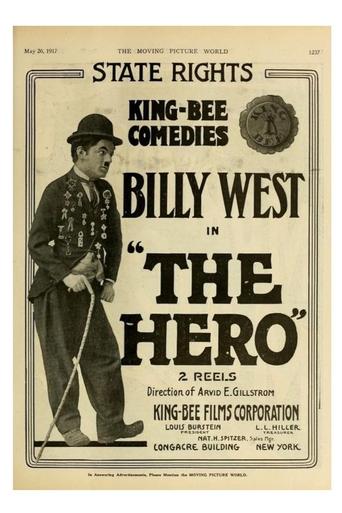
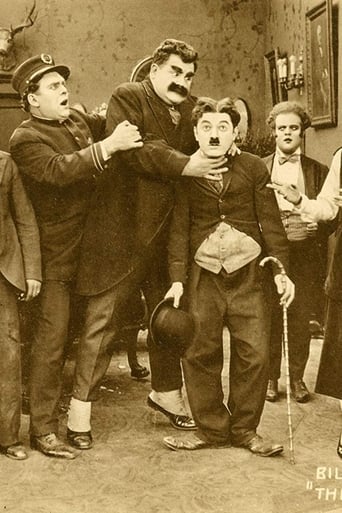
This was made as a short silent comedy in the Billy West series, which traded heavily on West's Chaplin-like tramp persona and on broad, fast-moving gags rather than elaborate narrative complexity. Surviving documentation is sparse, so many specifics of production design, shooting schedule, and exact locations are not firmly recorded in accessible sources. Like many 1918 comedies, it was likely produced quickly for release as a program short, emphasizing timely production and efficient staging over large-scale sets or location work. The film is associated with the output of comedian Billy West and director Arvid E. Gillstrom during the late silent-era studio comedy boom.

Historical Background

Released in 1918, The Stranger emerged during the final year of World War I, when American cinema was rapidly expanding its industrial scale and its cultural reach. The silent short comedy remained a vital form in this period, especially for studios like Universal that relied on a steady flow of short subjects to fill theater programs. The film also belongs to the era when comedy westerns and desert farces were popular because they combined recognizable frontier imagery with accessible physical humor. Its existence reflects a transitional moment in film history: features were becoming dominant, but shorts still played an essential role in exhibition and in shaping star personas. Billy West’s work is especially significant historically because it illustrates how comedians borrowed, adapted, and competed within the visual vocabulary established by earlier silent icons.

Why This Film Matters

Although not a major surviving classic, The Stranger is culturally important as a representative example of 1910s American comic shorts and of the Billy West phenomenon. West’s popularity was tied to a kind of mimicry and performance style that reveals how early star systems could be built through visual resemblance, recognizable gesture, and audience familiarity rather than dialogue or sound. The film also offers insight into the genre blending of the period, when western settings, ethnic caricature, and slapstick rescues were frequently combined for broad comic effect. Today, it is most significant to historians studying silent comedy, studio short-production practices, and the development of screen archetypes that would later evolve in feature-length Hollywood comedy.

Making Of

The Stranger belongs to the cycle of low-budget silent shorts that depended on speed, repetition of popular comic situations, and the charisma of a central performer. Billy West’s films were often produced in an environment where topical appeal and physical comedy mattered more than elaborate story construction, so scenes were likely staged to maximize sight gags, character business, and easily readable action. Arvid E. Gillstrom, who directed many silent comedies, worked in a mode that required rapid, economical filmmaking, and the surviving description suggests a straightforward production that used the desert prospecting setup, the town setting, and the rescue episode as compact comic beats. Because the film is now obscure and documentation is limited, there are few confirmed anecdotes about casting or on-set incidents, but the presence of Leatrice Joy is notable because it places an emerging dramatic star within a comic short before her later prominence. Like many films of this period, it was likely designed to be consumed quickly in nickelodeon and theater programs, with little expectation of long-term preservation.

Visual Style

As a silent short comedy, the cinematography was likely conventional for the period: static or lightly mobile camera setups, medium and full shots to keep physical action visible, and straightforward staging that emphasized performance over camera virtuosity. The desert and town material would have allowed for clear contrasts between open landscape and small-community interactions, a useful visual framework for both gag construction and narrative clarity. Early comedy shorts often relied on long-shot legibility so that chases, rescues, and pratfalls could be understood instantly without intertitles carrying too much explanatory weight. No distinctive camera innovations are widely documented for this film, but its visual approach would have been typical of efficient 1918 production.

Innovations

No specific technical innovations are known for this film, but it illustrates the polished routine craftsmanship of late silent-era comedy shorts. Its technical value lies in the efficient integration of outdoor action, comic character types, and readable physical staging within a compact running time. The film also demonstrates how early studios balanced location-flavored imagery with controlled production methods, using simple setups to make the desert and town environments immediately comprehensible. In archival terms, its importance is historical rather than technological.

Music

As a silent film, The Stranger had no synchronized recorded soundtrack. Like most releases of its era, it would have been accompanied in exhibition by live music supplied by a theater pianist, organist, small ensemble, or improvised cue sheet depending on the venue. The exact original musical accompaniment is not known, and no surviving original score is widely documented. Modern screenings, if any, would typically use reconstructed or improvised silent-film accompaniment tailored to the film’s comic and western moods.

Memorable Scenes

  • Billy’s weary trek home across the desert on his small burro with his mining tools strapped behind him, establishing both hardship and comic vulnerability.
  • The attack on Susie by Pedro and Little Casino on the road outside town, which triggers the film’s central rescue action.
  • Billy driving off the would-be horse thieves and escorting Susie safely back to Red Dog Gulch, turning a simple comic incident into a heroic payoff.

Did You Know?

  • This film is one of the many short comedies built around Billy West, a performer best remembered for his striking resemblance to Charlie Chaplin and for the controversy that followed that similarity.
  • Arvid E. Gillstrom was a prolific director of silent comedies and shorts, and films like this were part of the fast-paced production model used by comedy studios in the 1910s.
  • The title is easy to confuse with later films of the same name, but this 1918 version is a silent comedy western short, not a drama or sound-era remake.
  • The cast includes Leatrice Joy, who would later become a major star of the silent era in more prestigious features.
  • The plot combines western desert imagery with slapstick rescue comedy, a common hybrid in early American shorts.
  • The film’s known plot summary survives in condensed form, suggesting that more detailed scene-by-scene documentation may no longer be widely available.
  • Billy West’s screen comedies often played on recognizable archetypes such as the tramp, prospectors, cowboys, and townspeople, making them highly accessible to contemporary audiences.
  • Because it is a 1918 short, the film was originally shown as part of a larger program rather than as a standalone feature presentation.
  • The film reflects Universal’s broad short-subject production strategy during World War I-era cinema.
  • There is no evidence that this particular film received major awards, which is consistent with the era and format of the production.

What Critics Said

Contemporary critical reception for this specific short is not well documented in surviving mainstream reviews, which is common for many one-reel comedies of the era. In its own time, it would likely have been judged primarily as an entertaining program filler, with reviews focusing on whether Billy West delivered effective physical comedy and whether the gags landed cleanly. Modern critical assessment is mostly archival and historical rather than evaluative, with attention placed on its place in Billy West’s career, its production context, and what it reveals about early silent comedy conventions. Because the film is obscure and documentation is limited, it has not generated a large body of modern criticism.

What Audiences Thought

Audience response is not extensively recorded, but films of this kind were generally designed for easy, immediate appeal and were often well suited to mixed theater audiences seeking short comic relief. Billy West had a built-in audience due to his established screen persona, and the combination of desert hardship, rescue action, and comic villains would have offered familiar entertainment value in 1918. As a short subject, it would have been consumed as part of a larger program, so its success depended on instant readability and the effectiveness of its physical comedy. Surviving evidence suggests it functioned as a routine crowd-pleasing piece rather than a prestige release.

Film Connections

Influenced By

  • Charlie Chaplin's tramp persona and silent-era comic mannerisms
  • Broad vaudeville and burlesque comedy traditions
  • Popular short western comedies of the 1910s

This Film Influenced

  • Later Billy West comedy shorts
  • The development of comic western parody in silent film
  • Subsequent desert-and-town slapstick shorts

Film Restoration

The survival status is uncertain in widely accessible public references, and the film does not appear to be commonly available as a circulating preservation copy. It should be treated as a rare or possibly lost silent short unless a specific archive copy is identified. If extant, it would most likely survive in a film archive or private collection rather than as a mainstream home-video release.

Themes & Topics

prospectordesertburrorescuesmall-town westernslapsticksilent comedyvillainsromance hintcharitable hero