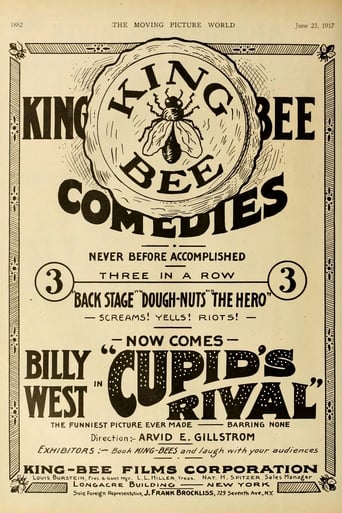
1917 · Approximately 1 reel; exact surviving running time is not reliably documented

Also available on: Archive.org
The Hero

The Hero

1917 Approximately 1 reel; exact surviving running time is not reliably documented United States

Plot

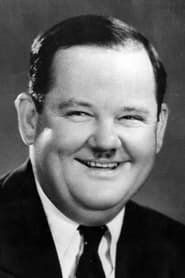
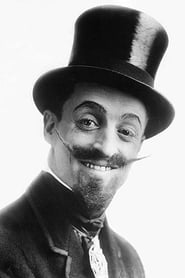
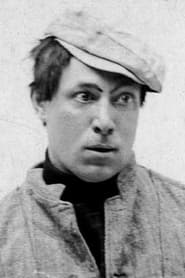
The Hero is a silent comic vehicle for Billy West in which his trademark Chaplin-like tramp persona is pushed into a series of escalating misunderstandings and physical mishaps. As the title suggests, the story plays on the idea of an ordinary man being mistaken for, or trying to become, a great hero, with the plot built around comic reversals, disguises, and bravado that quickly collapses into chaos. Oliver Hardy appears as part of the supporting comic ensemble, helping drive the farcical situations and slapstick confrontations that characterize the film. Like many short comedies of the period, the film emphasizes gags, chase rhythms, and visual business over intricate narrative, turning a simple premise into a chain of increasingly absurd comic payoffs.

About the Production

Release Date 1917
Production Vim Comedy Company

The Hero was produced as a short silent comedy during the peak years of the Billy West series, when producers were relying on fast-turnaround slapstick pictures designed for program filler and broad exhibition appeal. The film is associated with the mimic-comedy style that made Billy West notable at the time, including Chaplin-inspired costuming, behavior, and pantomime, but adapted into a distinct studio product rather than a direct imitation. Oliver Hardy’s appearance is also significant because it comes from his early career before he became internationally famous as one half of Laurel and Hardy. As with many comedies of 1917, the film was likely made on a compact schedule with heavy dependence on stage-managed physical comedy, continuity editing for gag rhythm, and economical set use. Precise shooting details, release print data, and box-office records are not known to survive in widely accessible form.

Historical Background

The Hero was produced in 1917, during a crucial transitional period for American cinema as the feature film was becoming dominant while short comedies still remained a staple of exhibition. The United States had entered World War I that same year, and film comedy continued to serve as a popular form of escapism in theaters across the country. The silent-comedy marketplace was highly competitive, with performers building recognizable screen identities through brief, rapidly produced films that could circulate widely. Billy West’s work is especially important historically because it reflects the era’s fascination with comic archetypes and imitation-based humor, including the commercial appeal of Chaplin-derived screen behavior. The film also sits at an early point in Oliver Hardy’s career, before the consolidation of star systems around later comedy duos, giving it added value as a document of pre-fame performance history.

Why This Film Matters

Although The Hero is not among the best-known silent comedies today, it is culturally significant as an example of the short-form slapstick ecosystem that sustained early film comedy and helped standardize comic film language. It demonstrates how star personas were built through repetition, costume, pantomime, and audience recognition long before modern franchise branding. The film is also of interest because of Oliver Hardy’s presence, connecting an otherwise modest short to the later history of one of cinema’s most famous comedy partnerships. For scholars and fans of silent cinema, films like this illustrate the transitional stage between vaudeville-derived screen humor and the more elaborate comic features that would follow in the 1920s. Its value today lies less in mainstream fame than in its role as an archival artifact of early American popular entertainment.

Making Of

The Hero was made in the industrial context of 1917 slapstick production, when comedies were often assembled quickly from a stock of gags, props, and recurring character types. Billy West was a particularly marketable performer because audiences recognized the Chaplin-like look and mannerisms, and studios used that familiarity to sell short comedies efficiently. Oliver Hardy’s participation is a notable behind-the-scenes historical point, since it places him in the network of early comic performers and support players who worked through multiple small companies before later stardom. The film likely depended on precise physical staging, with the director coordinating timing, entrances, and pratfalls so that the humor would read clearly in silent form for varied exhibition speeds. Detailed anecdotal production records are scarce, but the film remains important as part of the wider body of short comedies that shaped the craft careers of both its star and one of its future comedy legends.

Visual Style

As a silent short comedy from 1917, The Hero would have used straightforward, functional cinematography designed to keep the action legible and the gags readable. The visual style of such films typically emphasized medium and full shots, allowing performers’ bodies and comic business to remain fully visible within the frame. Camera movement was usually minimal, with the humor carried by blocking, timing, and editing rather than elaborate photographic effects. Lighting and staging would have been arranged to maximize contrast and clarity for theater projection rather than to create expressive realism. The overall cinematographic approach was likely economical and performance-centered, reflecting the conventions of short slapstick production in the mid-1910s.

Innovations

The Hero does not appear to be known for major technical innovation, but it represents the refined slapstick craftsmanship of early one-reel comedy production. Its technical value lies in the efficient orchestration of physical gags, visual clarity, and comic timing within a very short runtime. The film would have depended on practiced staging and editing to build momentum, a key technique in silent comedy that later feature-length comedies would expand upon. Its production also reflects the industrial sophistication of short-form comedy at the time, when filmmakers learned how to maximize impact with limited screen time and minimal resources.

Music

As a silent film, The Hero did not have an original synchronized recorded soundtrack. In its original exhibition, it would have been accompanied by live music, which might have ranged from a solo pianist to a small theater orchestra depending on the venue. The exact cue sheet, house score, or recommended musical arrangement is not known from the available information. Modern screenings, when available, may use a compiled silent-film accompaniment or newly created score, but no single authoritative soundtrack is generally associated with the film.

Memorable Scenes

  • Billy West’s comic transformation into a supposed hero, playing the role with escalating bravado that turns into physical embarrassment.
  • A sequence of slapstick misunderstandings that builds through visual timing rather than dialogue, typical of one-reel silent comedy structure.
  • Oliver Hardy’s early supporting presence, offering a valuable glimpse of his pre-stardom screen persona within a comic ensemble.

Did You Know?

  • The film stars Billy West, one of the best-known silent-era comedians who specialized in a Chaplin-style screen persona.
  • Oliver Hardy appears in the cast long before he formed his legendary partnership with Stan Laurel.
  • The Hero is a silent comedy, so its original presentation would have relied on intertitles and live musical accompaniment in theaters.
  • Billy West’s comedy output was often compared to Charlie Chaplin’s, making these films historically interesting examples of mimicry and parody in early American cinema.
  • Arvid E. Gillstrom directed the film, and he was active in the fast-paced world of short-form slapstick production.
  • The film belongs to the era when many comedies were produced as one-reel shorts, a standard format for theatrical programs of the time.
  • Because of the age of the film, complete production records are sparse, and surviving documentation is limited compared with later studio releases.
  • The title The Hero reflects a common silent-comedy pattern in which an ordinary or awkward character is ironically forced into a heroic role.
  • The film is part of the broader archive of early 20th-century comedy that helped establish visual slapstick conventions later used by major comedians.
  • As with many silent shorts of the period, the surviving status and accessibility of the film can be difficult to verify from mainstream sources.

What Critics Said

Contemporary reviews for this specific short are not widely preserved in readily accessible modern reference sources, so its exact critical reception at the time cannot be stated with confidence. In the context of the period, Billy West comedies were generally evaluated as brisk, familiar slapstick entertainments aimed at broad audiences rather than as prestige productions. Modern critical interest tends to focus on the film historically rather than aesthetically, especially because of the cast connection to Oliver Hardy and the film’s place in the evolution of silent screen comedy. As a result, The Hero is now more often discussed by archivists and silent-film historians than by mainstream critics. Its present-day reception is therefore primarily archival and scholarly, with appreciation rooted in film history rather than wide popular rediscovery.

What Audiences Thought

Direct audience-response data for The Hero has not survived in a substantial form, which is common for silent shorts of this era. Based on the commercial logic of the Billy West series and the popularity of short slapstick films in 1917, it would have been intended for audiences seeking easily understood visual comedy and rapid gag construction. The film’s appeal would likely have come from its familiar comic types, energetic physical humor, and the kind of clear visual storytelling that worked well in nickelodeons and neighborhood theaters. Today, the audience for the film is largely made up of silent-film enthusiasts, historians, and viewers interested in early comedy ancestry. For such viewers, the novelty is often the opportunity to see early screen appearances by performers who later became historically important.

Film Connections

Influenced By

  • Charlie Chaplin's early Tramp films
  • Vaudeville slapstick traditions
  • Stage farce and comic pantomime

This Film Influenced

  • Later Billy West shorts and similar comic vehicles
  • The broader tradition of silent slapstick one-reelers
  • Early screen comedies featuring heroic imposture and comic reversal

Film Restoration

The survival status is not firmly established in widely accessible reference sources; no definitive restoration record is commonly cited, and the film may be difficult to view today. Like many silent shorts from the period, it is the kind of title that may exist only in fragments, archives, or specialized collections, or may be absent from general circulation. If a print survives, it is not widely known as a standard restored title.

Themes & Topics