The Rogue
Plot
Billy West plays a boarding-house slavey whose life is dominated by an exacting, overbearing landlady and the usual frantic day-to-day demands of low-rent urban survival. His routine is disrupted when he becomes entangled with a counterfeit count, a shady aristocratic impostor, and with a stolen violin valued at $20,000, which becomes the center of a comic-crime chase. As with many Billy West vehicles of the period, the humor depends on confusion, status reversals, physical mishaps, and the collision between petty domestic life and absurdly lofty criminal intrigue. Oliver Hardy appears in support, helping to round out the farcical atmosphere as the plot escalates through misunderstandings and slapstick complications. The film blends crime-movie premise with broad comedy, ending in the kind of orderly comic resolution typical of one-reel and short-form silent farces.
Director
Arvid E. GillstromCast
About the Production
The Rogue was produced during the peak years of American silent slapstick, when comedy shorts were made quickly and economically for the theatrical exchange market. It is associated with Billy West's comic film output, which often traded on Chaplin-like physical comedy while building a distinct persona around more frantic, exaggerated situations. The surviving description suggests a compact, gag-driven production that mixed domestic comedy with criminal intrigue, a common formula for one-reelers seeking to maximize laughs through prop comedy, mistaken identity, and visual business. Oliver Hardy's presence is notable because it places the film within the early phase of his screen career, before his famous partnership with Stan Laurel. Precise budget, release-date, and location records are not readily available in standard reference sources, which is typical for many 1910s short comedies.
Historical Background
The Rogue was made in 1918, during the final year of World War I and amid a rapidly changing American film industry that was consolidating comedy production into efficient studio-based pipelines. Silent slapstick was one of the dominant commercial forms of the era, and short comedies were essential programming for nickelodeons and larger theaters alike, functioning as reliable crowd-pleasers between longer features or newsreels. The film also belongs to the period when screen comedy was developing recognizable star personas, with Billy West among the many performers borrowing, adapting, or competing with the Chaplin style that had become enormously influential worldwide. Oliver Hardy's presence links the film to the later evolution of American screen comedy, because it captures him in a formative stage before his mature persona crystallized in the 1920s. As a small-scale crime farce built around class imposture and valuable property, the film reflects silent-era anxieties and pleasures surrounding status, money, and social performance.
Why This Film Matters
While The Rogue is not a widely canonical title, it has value as a document of early American slapstick conventions and of the careers of two performers of very different future fame. For Billy West, it is representative of the bustling, imitation-adjacent comic shorts that kept him visible in a crowded marketplace of comedians. For Oliver Hardy, any surviving credit from this period is important because it helps trace the development of one of cinema's most enduring comedy stars before his later fame transformed how scholars interpret his early work. The film also illustrates how silent comedy routinely mingled low domestic life with mock-criminal plots, a structure that would remain influential across the silent era and into later television and short-form comedy. Its historical significance lies less in prestige than in the way it preserves performance styles, comic archetypes, and industrial practices of 1918.
Making Of
Little detailed behind-the-scenes documentation survives for The Rogue, which is common for 1910s comedy shorts that were produced quickly and distributed without extensive press coverage. The film belongs to the industrial system of short-form slapstick, where a small company like King-Bee would rely on recurring comic performers, simple standing sets, and highly legible visual setups rather than elaborate production design. Billy West's screen persona was often built around fast-paced physical business and a slightly Chaplin-adjacent tramp style, but the surviving plot description suggests that this film placed him in a more service-worker role and leaned into ensemble chaos rather than sentimental pathos. Oliver Hardy's participation is especially interesting in retrospect, since he was still many years away from his iconic partnership with Stan Laurel and was often appearing in supporting comic or heavy roles. With records thin, most of what can be said confidently is that the production exemplifies the economical, gag-centered workflow of late-1910s American comedy shorts.
Visual Style
Specific cinematographer credits and camera notes are not readily confirmed for this film in accessible sources, but the visual style would have followed the conventions of American silent comedy shorts of the late 1910s. That generally meant static or lightly adjusted camera setups, medium-distance framing to preserve physical gags, and clear staging that emphasized performers' bodies, props, and reactions. The humor likely depended on readable blocking in domestic interiors, allowing the audience to track the relationship between the boarding-house space, the violin, and the impostor-count plot. As with many shorts of the period, the camera would have served the action straightforwardly rather than calling attention to itself through elaborate movement or editing flourishes.
Innovations
The film does not appear to be known for major technical innovation, but it represents the polished efficiency of late-1910s silent comedy production. Its main formal strengths would have been timing, staging, and the integration of prop-based comedy into a crime narrative. The use of a highly valuable object, the stolen violin, likely provided a clean visual McGuffin that could drive repeated reversals and chase beats without complex exposition. In that sense, its achievement is in the clarity and economy of its comic construction rather than in any groundbreaking camera or editing technique.
Music
As a silent film, The Rogue had no synchronized recorded soundtrack. In exhibition, it would typically have been accompanied by a live pianist, organist, or small theater ensemble, with music selected or improvised to match slapstick action, comic suspense, and chase material. Surviving evidence does not indicate a surviving cue sheet or proprietary score. Any modern presentation would likely use a restoration accompaniment created for archival screening rather than an original studio-approved published score.
Memorable Scenes
- Billy West's boarding-house routine, where ordinary servant duties are disrupted by the arrival of criminal intrigue.
- The encounter with the counterfeit count, which likely plays as a classic silent comedy exposure of phony aristocratic manners.
- The stolen-violin storyline, which gives the film a prop-centered comic motor and likely triggers a chain of misunderstandings and pursuit.
Did You Know?
- The film stars Billy West, one of the best-known Chaplin imitators of the silent era, but the surviving description emphasizes that the role is not especially Chaplinesque in tone.
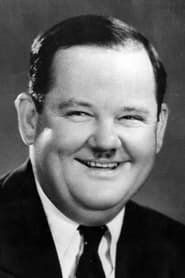
- Oliver Hardy appears in the cast, making this an early pre-Laurel-and-Hardy screen credit from the years before he became internationally famous.
- The comic premise centers on a stolen violin worth $20,000, a strikingly high-value object for a short silent comedy and a useful engine for escalating misunderstandings.
- The landlady is described in modern terms as a cross between Alice Davenport, Marie Dressler, and Hattie Jacques, underscoring the broad, heavy-character comedy style the film likely employed.
- The film combines crime elements with domestic farce, a common silent-comedy strategy that allowed comedians to parody melodramatic plots while keeping the action gag-heavy.
- Because it is a 1918 short comedy, detailed production records such as shooting schedule, crew lists, and financials are sparse or incomplete compared with feature films of later decades.
- Billy West was frequently cast in situations that borrowed the visual rhythms of Chaplin comedy but often pushed them into more chaotic, ensemble-driven territory.
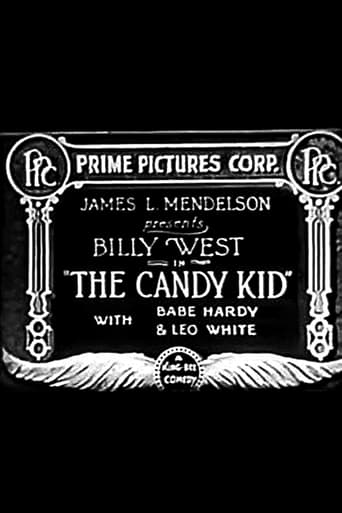
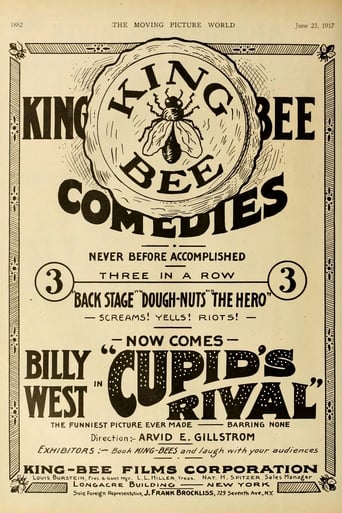
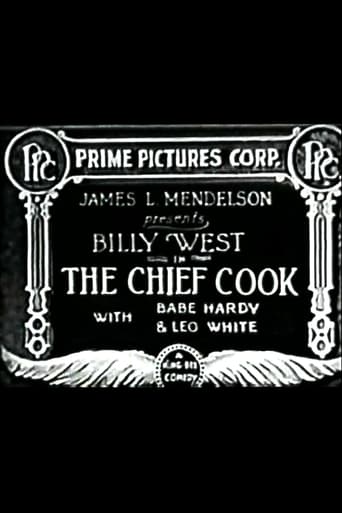
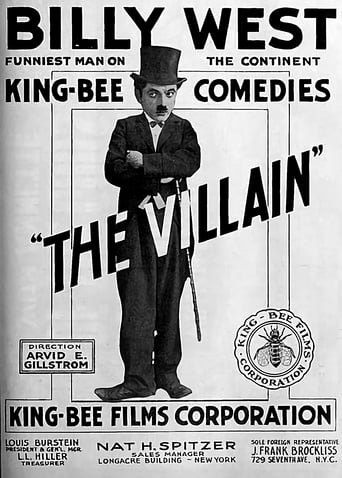
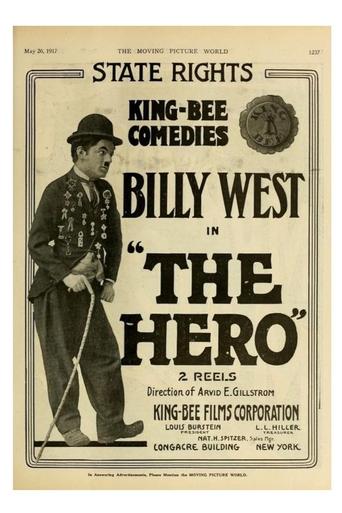
- The film is part of the broader King-Bee comedy output, a banner associated with low-budget silent shorts designed for frequent theatrical turnover.
- The presence of a fake count reflects a recurring silent-era comic trope: the fraudulent aristocrat who is exposed through farce rather than detective logic.
- The film is notable to historians mainly for its cast combination and for being one of many early shorts that helped shape the careers of performers who would later become major comedy figures.
What Critics Said
Contemporary detailed critical notices are not readily documented in surviving mainstream reference sources, which is common for short comedy releases of this period. The film is generally discussed now by historians in terms of its personnel and its place within silent comedy production rather than for any separately celebrated artistic reputation. Modern reception is therefore largely archival: interest centers on Billy West's comic style, on Oliver Hardy's early screen work, and on what the film reveals about slapstick formulae in the late 1910s. In the absence of extensive reviews, it is safest to say that the film appears to have been one of many functional, audience-oriented shorts rather than a prestige comedy with major critical discourse.
What Audiences Thought
No detailed box-office records or audience-response surveys survive for The Rogue, which is typical for a short from 1918. At the time, films like this were designed to elicit quick, immediate laughter from theater audiences through visual escalation, recognizable character types, and rapid-fire misunderstanding. The mix of boarding-house comedy, counterfeit nobility, and stolen-property mayhem suggests a broad appeal to audiences who enjoyed fast-moving slapstick with a crime twist. Its continued interest today is more scholarly than popular, driven by the film's cast and by curiosity about early silent comedy circulation.
Film Connections
Influenced By
- Charlie Chaplin short comedies
- American slapstick farces of the 1910s
- boarding-house and city-life comic sketches
- stage melodramas involving impostors and stolen valuables
This Film Influenced
- Later silent crime comedies built around mistaken identity and stolen objects
- Subsequent Billy West shorts that continued the service-worker farce formula
- Early supporting-role comedies featuring Oliver Hardy before his team-up with Stan Laurel
You Might Also Like
More Crime Films
View allMore from Arvid E. Gillstrom
View allFilm Restoration
The preservation status is not clearly documented in the available standard references consulted here. The film is known primarily through surviving catalog and plot descriptions, suggesting that it may be incomplete, privately held, or otherwise difficult to access in a widely circulating restoration. If prints survive, they do not appear to be broadly available in commercial distribution or major streaming circulation. For database purposes, the safest description is that its current preservation and accessibility status is uncertain.