Love by the Light of the Moon
Plot
Two lovers meet in a garden at night, with a wall and gate framing the scene as the moon shines overhead. The young man invites the young woman to sit with him on a settee, and the moon above them takes on a distinctly human personality, first brightening into a broad grin. As the couple grows more affectionate, the moon becomes increasingly playful, winking one eye and then the other in response to their courtship. In the film’s comic climax, the moon lowers itself from the sky with an exaggerated smile, as if participating in the lovers’ romance. The short ends as a lighthearted fantasy gag, using the moon itself as an amused witness to human flirtation.
Director
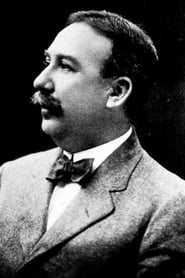
Edwin S. PorterAbout the Production
This is a very early American trick-comedy and fantasy short associated with the Edison production unit during the formative years of narrative cinema. The film relies on simple theatrical staging, with a painted or constructed garden setting and a prominently animated moon effect that gives the title its charm. Like many films of the period, it was designed for brief exhibition rather than long-run theatrical circulation, and no reliable budget or box-office data survive. Its comic effect depends on synchronization of performance, framing, and optical trickery rather than editing complexity, making it a representative early example of visual gag filmmaking.
Historical Background
The film was made in 1901, a period when motion pictures were still a novelty and the American film industry was rapidly evolving from actualities and single-shot scenes toward more elaborate narrative forms. The Edison Manufacturing Company was among the most important producers shaping early cinema in the United States, and Edwin S. Porter was part of the generation refining how films could tell jokes, stories, and fantasies in under a minute. In this context, Love by the Light of the Moon matters because it reflects a transitional moment: cinema was no longer only recording reality, but also creating playful, imaginary worlds through staging and special effects. Its personified moon and courtship scenario also fit the Edwardian-era taste for gentle romance, visual wit, and broad pantomime.
Why This Film Matters
Although brief and now obscure, the film is culturally important as an early example of anthropomorphic fantasy in cinema, showing how filmmakers quickly realized that the screen could make inanimate objects seem emotionally alive. The image of the moon smiling, winking, and descending to observe lovers anticipates many later uses of animated or personified celestial imagery in film and popular culture. For historians, it also offers a window into early 20th-century audience tastes, when simple romantic-comic situations could be made novel through cinematic illusion alone. Within film history, it contributes to the understanding of Edwin S. Porter not only as a pioneer of narrative editing, but also as a maker of playful, visually inventive shorts that explored the comic possibilities of the medium.
Making Of
Love by the Light of the Moon belongs to the Edison era of short, studio-made films that were staged like miniature theater pieces before a fixed camera. The production would have been extremely economical, using a limited set and a small cast, with the moon effect likely achieved through in-camera staging, cutaways, or a simple prop animation/trick overlay depending on surviving production practice of the time. Edwin S. Porter, who would later become famous for larger-scale narrative experiments, was still working in the concise, gag-driven mode common to 1901. Although detailed production records are scarce, the film’s survival in catalog descriptions and later film histories shows that it was notable enough to be remembered for its whimsical visual conceit.
Visual Style
The film’s visual style is characteristic of very early studio cinema: a static camera, frontal staging, and a single tableau-like composition that allows the audience to read the entire gag at once. The garden wall, gate, and settee create a stage-like environment, while the moon is positioned prominently enough to function as both a visual motif and a comic character. Its cinematography is notable less for camera movement than for composition and clear action placement, ensuring the audience notices the moon’s changing expression. The film likely depended on carefully timed performance and visual trick effects to make the moon appear animated and responsive to the lovers below.
Innovations
The film’s main technical achievement is its use of simple special effects to animate the moon as a comic character, turning a static celestial body into an active participant in the scene. For 1901, that kind of visual personification was an effective demonstration of cinema’s ability to create illusion and fantasy without elaborate sets or lengthy narrative development. It also shows early mastery of concise storytelling: in a very short running time, the film establishes setting, character interaction, comic escalation, and punchline. Its visual design helped expand the vocabulary of trick films and fantasy shorts in the earliest years of motion pictures.
Music
No original synchronized soundtrack exists, as the film predates synchronized sound cinema. Like most films of its era, it would have been shown with live musical accompaniment selected by the exhibitor, often a pianist or small ensemble. The music would likely have been light, romantic, or whimsical, tailored to the comic fantasy tone of the action. No verified original cue sheet or score is known to survive for this title.
Famous Quotes
The film is silent and contains no recorded spoken dialogue.
No verified intertitles or dialogue quotes survive from this short.
Memorable Scenes
- The moon brightens into a broad grin as the lovers lean over the garden gate.
- The moon winks one eye and then the other in comic reaction to the couple’s affection.
- The final gag in which the moon descends from the sky with a huge smile to observe the lovers more closely.
Did You Know?
- The film is one of the earliest surviving examples of a romantic fantasy gag built around a personified moon.
- Edwin S. Porter is credited as director, placing it in the same creative era that soon led to more sophisticated narrative filmmaking in the United States.
- The film is often discussed alongside other early Edison shorts that experimented with whimsy, comedy, and simple special effects.
- Its plot summary survives in unusually vivid descriptive form, highlighting how early film catalogs often served as the main record of what the public saw.
- The moon’s exaggerated facial expressions are central to the humor, reflecting the period’s love of theatrical pantomime and visual symbolism.
- The film uses no intertitles and depends entirely on action and performance, as was standard for most films in 1901.
- Because it is so short, the entire joke is delivered in a single compact sequence, a hallmark of early one-shot comedy films.
- It is frequently cited by historians as an example of early trick-film imagination rather than realistic storytelling.
- The film’s title and premise demonstrate the era’s fascination with sentimental romance filtered through comedy.
- The film survives in historical documentation and catalog references, helping scholars trace the development of Porter’s early work.
What Critics Said
Contemporary critical reviews are not widely preserved, and the film was likely received in the context of brief entertainment attractions rather than as a prestige drama. Early viewers would have responded to the novelty of the moon effect and the light romantic humor, both of which were attractive features in the short-film programs of the time. Modern critics and historians tend to regard it as a minor but charming artifact of early cinema, valued more for its historical interest than for dramatic depth. Its importance lies in what it reveals about the experimentation and imagination of early filmmakers rather than in any later canonized reputation.
What Audiences Thought
No detailed audience survey data survives for this film, but it was likely enjoyed by early nickelodeon and vaudeville audiences as a quick comic novelty. The approachable subject matter, playful supernatural humor, and recognizable romantic setup would have made it easy to follow even for casual viewers. Because it is only about a minute long, its impact depended on immediate visual recognition and the delight of seeing the moon behave like a mischievous spectator. Today, audiences interested in silent cinema often find it charming, whimsical, and historically fascinating.
Film Connections
Influenced By
- Stage pantomime and music-hall comedy
- Late 19th-century trick photography and illusion cinema
- Early Edison one-shot comic shorts
This Film Influenced
- Later anthropomorphic fantasy shorts
- Early romantic trick comedies
- Silent-era films featuring animated celestial or natural objects
You Might Also Like
More Romance Films
View allMore from Edwin S. Porter
View allFilm Restoration
The film is considered an early surviving title in historical film documentation, though surviving material and print quality may be limited. It is associated with archival references and historical catalogs rather than widespread modern circulation, and it may exist in incomplete or fragile form depending on archive holdings. It is not generally treated as a lost film in standard film-history references, but access is limited and restoration details are not widely documented.