The Autumn of the Heart
Plot
An aging violinist pours his emotion into music while nursing a secret love for his young pupil, whose talent and presence sustain him even as he realizes she belongs to another generation and another future. As the student grows up and prepares to marry, the violinist is forced to confront the loneliness of devotion that can never be returned. The film turns this intimate emotional triangle into a quiet meditation on sacrifice, artistic feeling, and the pain of unspoken love. Music, which has been his refuge and language, becomes both consolation and reminder of what he cannot possess. The story resolves as a delicate tragedy of resignation, with the violinist left to live through art what he cannot live through life.
Director
Léonce PerretAbout the Production
The film was made during the early French silent era, when Léonce Perret was developing a reputation for refined, emotionally controlled dramas under the Pathé system. Like many productions of the period, it was likely shot quickly on studio sets and simple exterior locations, with emphasis on composition, gesture, and visual storytelling rather than elaborate sets or intertitles. Surviving documentation on exact shooting circumstances is limited, and no verified production budget or box-office figures are known. The film is associated with the polished, theatrical-naturalistic style that helped distinguish French pre-World War I prestige cinema.
Historical Background
Released in 1911, the film belongs to the formative years of narrative cinema, when filmmakers were refining how to tell emotionally complex stories without synchronized sound. In France, companies like Pathé Frères were central to establishing cinema as a respectable mass entertainment and an exportable art form, and melodramatic subjects such as unrequited love, sacrifice, and artistic longing were especially popular. The film also emerges from a pre-World War I cultural world marked by strong interest in sentiment, symbolism, and the moral psychology of character. Historically, it matters as part of the transition from simple one-reel theatrical scenes to more nuanced dramatic film language that would influence the development of feature storytelling.
Why This Film Matters
While not among the best-known silent films, The Autumn of the Heart is culturally significant as an example of early French prestige drama and of Léonce Perret's role in elevating screen acting and narrative sensitivity. Its focus on a musician's private suffering reflects the era's broader artistic fascination with melancholy, self-sacrifice, and the nobility of emotional restraint. For modern viewers and scholars, the film is valuable less for mass fame than for what it reveals about the stylistic and thematic vocabulary of early European cinema. It also illustrates how silent films could use a simple premise to combine romance, artistic identity, and visual symbolism in a way that anticipated later melodramatic cinema.
Making Of
The film was created at a moment when French cinema was moving toward more polished dramatic construction, and Léonce Perret was one of the directors helping to shape that development. Production under Pathé likely emphasized efficiency, clear staging, and expressive acting suitable for both domestic and export audiences. Perret's involvement as director and actor suggests the collaborative and compact nature of early film production, where creative roles often overlapped. Little detailed behind-the-scenes documentation survives, but the film's survival in film-historical records indicates it was recognized as part of the early French dramatic repertory associated with Pathé's prestige output.
Visual Style
The cinematography would have been typical of refined early French silent drama: carefully staged tableaux, controlled camera placement, and an emphasis on readable gesture and facial expression. Because the film predates the widespread adoption of more mobile camera work and elaborate editing grammar, the visual strategy likely depends on balanced compositions and actor movement within the frame. The emotional effect would have been created through pose, lighting contrast, and symbolic props associated with music and domestic intimacy. Even without surviving detailed camera records, the film can be understood as part of the Pathé tradition of clean, elegant photographic presentation.
Innovations
The film's main achievement lies in its silent storytelling economy rather than in a specific mechanical innovation. It demonstrates the early development of emotionally expressive screen drama through performance, framing, and narrative clarity. As part of Pathé's output, it also represents the industrial standardization of professional film production and distribution that helped shape early international cinema. Its handling of music as an absent-but-central theme is a noteworthy example of silent film's ability to evoke sound conceptually without recording it.
Music
As a 1911 silent film, The Autumn of the Heart had no synchronized recorded soundtrack. In exhibition, it would have been accompanied by live music selected by the theater, often including piano or small ensemble performance tailored to the mood of the scene. Given the narrative focus on a violinist, accompanists may have emphasized lyrical and melancholic motifs to underline the emotional arc, though no original cue sheet is currently known. Any modern presentation would typically rely on a reconstructed or newly composed silent-film accompaniment.
Memorable Scenes
- The violinist silently watches his young student from a distance, conveying his hidden love through gaze and posture alone.
- A performance or rehearsal scene uses the violin as a visual symbol of the man's emotional life and his inability to speak his feelings.
- The moment in which the student moves toward marriage crystallizes the emotional loss at the heart of the story.
- The final passages emphasize resignation rather than overt tragedy, using the older man's music as a metaphor for enduring sorrow.
Did You Know?
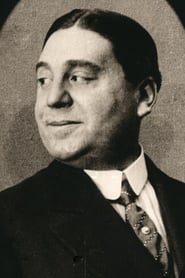
- The film was directed by Léonce Perret, who was not only a filmmaker but also appears in the cast, reflecting the multi-hyphenate style common in early cinema.
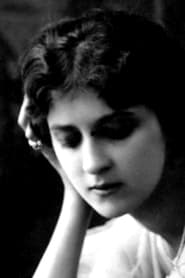
- Yvette Andréyor was one of the notable actresses of early French film and became closely associated with emotionally expressive dramatic roles.
- The story centers on a musician's unrequited love, a subject well suited to silent cinema because it depends heavily on expressive performance and visual symbolism.
- The title suggests a seasonal metaphor of decline, maturity, and emotional fading, which was a popular poetic device in early twentieth-century melodrama.
- As with many 1911 productions, precise technical credits beyond the director and cast are scarce, and some archival details remain uncertain.
- The film belongs to the period when Pathé was producing prestige shorts aimed at a growing international market for sophisticated melodramatic films.
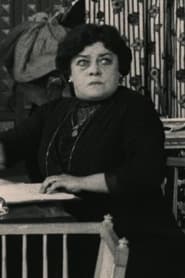
- The cast list includes Marie Dorly, another performer associated with early French screen melodrama, helping anchor the film in Pathé's stable of recurring talent.
- The film is an example of early silent drama in which music is not heard, but the theme of music itself carries narrative meaning and emotional irony.
- Because it is a very early film, surviving documentation is limited compared with later works, making it of particular interest to archivists and historians.
- Its plot reflects a common silent-era fascination with sacrifice, artistic suffering, and the tension between personal desire and social destiny.
What Critics Said
Contemporary critical reaction is not well documented in surviving sources, which is common for short films from this period. As a Pathé drama by Léonce Perret, it would likely have been received as a polished and tasteful emotional piece rather than a groundbreaking event. Modern critical interest tends to be archival and historical rather than based on widespread popular reassessment, with scholars valuing it for its example of early French storytelling, performance style, and production culture. Because the film is obscure and documentation is limited, its reputation today rests mainly on historical significance rather than an extensive review tradition.
What Audiences Thought
Audience response from 1911 is not specifically recorded in surviving accessible sources, but films of this kind were designed for general cinema audiences who responded to melodrama, romance, and emotionally legible situations. The subject of a devoted older artist and an unattainable younger beloved would have been familiar and moving to silent-era viewers, especially when played through expressive acting and visual cues. As a short Pathé release, it likely circulated as part of regular theater programs rather than as a standalone prestige attraction. Today it is chiefly of interest to silent-film enthusiasts, historians, and archive audiences rather than mainstream viewers.
Film Connections
Influenced By
- French theatrical melodrama
- Early Pathé dramatic shorts
- Symbolist and sentimental fiction of the early 20th century
This Film Influenced
- Later silent melodramas centered on artistic sacrifice
- Subsequent French romantic dramas with musician protagonists
You Might Also Like
More Drama Films
View allMore from Léonce Perret
View allFilm Restoration
Preservation status is unclear from readily available public references; the film is documented in filmographic records, but a widely known surviving restoration is not confirmed here. It should therefore be treated as of uncertain survival status until verified by an archive catalog or restoration record.