The Boy Detective, or The Abductors Foiled
Plot
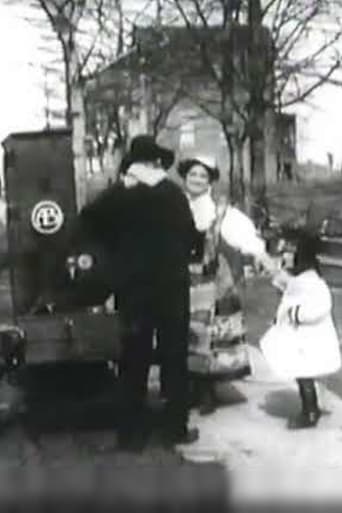
A resourceful newsboy is idly playing a sidewalk game with a companion when he notices two suspicious men positioning themselves where they cannot easily be seen from the street. When an attractive woman passes by, the men quietly trail after her, arousing the boy’s suspicions. Realizing that the strangers intend some criminal mischief, he follows them in secret and watches long enough to confirm that the woman is in danger. The boy then schemes to foil the abductors and protect her, turning what begins as a playful street scene into a miniature chase-and-rescue melodrama. The film plays as a compact comic thriller, with the child hero’s quick thinking and streetwise observation driving the action.
Director
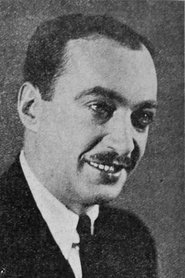
Wallace McCutcheon Sr.About the Production
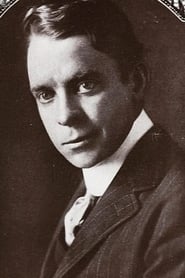
This is an early Biograph short from the transitional period when American studio filmmaking was rapidly developing more elaborate narrative structures while still keeping runtimes extremely brief. The film is associated with Wallace McCutcheon Sr., one of the key craftsmen of the early Biograph era, and features Robert Harron, who was becoming one of the company’s most recognizable juvenile performers. Like many films of 1908, it was made as a one-reel subject and was designed to be shown as part of a mixed program rather than as a stand-alone feature. Surviving documentation is limited, so precise production circumstances, shoot dates, and set details are not well recorded.
Historical Background
In 1908, motion pictures were still a relatively new mass entertainment form, and American companies were experimenting with how best to structure short fictional narratives for nickelodeon audiences. Biograph was one of the leading studios of the era, and its output helped establish the conventions of genre storytelling, character types, and visual continuity that would later become standard in cinema. The Boy Detective, or The Abductors Foiled emerged at a time when urban modernity, public safety anxieties, and fascination with crime stories were common cultural themes, making the premise of a watchful street-smart boy especially resonant. The film also belongs to a period when child-centered adventure and rescue narratives were popular, reflecting both sentimental ideals about youthful virtue and the practical need for concise, instantly legible plots.
Why This Film Matters
Although not a famous mainstream title today, the film is culturally significant as a representative example of early American crime-comedy storytelling and of the boy-hero type that would recur throughout cinema and popular fiction. It illustrates how filmmakers were already blending suspense, comedy, and social observation in a compact format long before feature-length detective and thriller films became common. The presence of Robert Harron also gives the film importance within silent-cinema star history, since he later became one of the best-known male actors associated with Griffith and Biograph. For scholars, the film is useful as evidence of how early studios shaped narrative expectations around vigilance, urban danger, and the resourceful underdog defeating criminals.
Making Of
The Boy Detective, or The Abductors Foiled was produced during the first decade of American narrative film, when studios such as Biograph were refining how to tell complete stories in a single reel. Wallace McCutcheon Sr. was part of the generation of filmmakers who helped move cinema away from simple recorded views and toward staged dramatic action with clear cause-and-effect plotting. The casting of Robert Harron is notable because Biograph often used youthful performers in roles that emphasized innocence, alertness, and emotional accessibility, qualities that helped audiences quickly read the character’s motivations in a short runtime. Because the film is so early, detailed behind-the-scenes records are scarce, and most production knowledge comes from surviving studio listings, catalog references, and modern film-historical reconstruction.
Visual Style
The film likely uses the straightforward, stage-influenced camera setups typical of 1908 Biograph productions, with an emphasis on legibility of action and clear presentation of the street setting. Early silent crime-comedies often relied on medium or wide framing so the audience could track entrances, exits, surveillance, and pursuit without the need for intertitles to explain every beat. Because the narrative depends on the boy watching the men and then following them, visual clarity and blocking would have been especially important. Any stylistic interest comes less from elaborate camera movement than from the efficient staging of the characters within a recognizable urban environment.
Innovations
The film does not appear to be associated with a specific breakthrough technique, but it is technically representative of the early development of narrative cinema in the United States. Its achievement lies in the economical combination of characterization, suspense, and comic timing within a very short runtime. The story depends on the audience understanding spatial relationships and motive at a glance, which reflects the maturing use of visual storytelling conventions in 1908. As a Biograph production, it also belongs to the studio system that was standardizing the practical methods of filmmaking during this formative period.
Music
No original synchronized soundtrack survives, as the film was produced in the silent era. Like most silent shorts of the period, it would have been exhibited with live musical accompaniment provided by a theater pianist, organist, or small ensemble, often selected to match the tone of the scene as performed in the local venue. Modern presentations of silent films of this kind may use reconstructed or newly composed accompaniments, but no original score is known for this specific title. The precise musical practice would have varied from theater to theater at the time of release.
Famous Quotes
No verified surviving dialogue or intertitles are widely documented for this film.
Because the film is silent and early, no widely cited quotable line is securely associated with it.
Memorable Scenes
- The opening sidewalk scene in which the newsboy casually plays with a friend while noticing the suspicious behavior of the two men.
- The moment the men position themselves out of view and then begin following the attractive woman, establishing the threat through visual staging alone.
- The boy’s decision to shadow the men after his suspicions are raised, shifting the film from observation to pursuit.
- The concealed confirmation of the men’s criminal intent, a key suspense beat that justifies the boy’s intervention.
- The boy’s improvised attempt to protect the woman and foil the abductors, serving as the comic-rescue climax.
Did You Know?
- The film is also known by the shorter title 'The Abductors Foiled,' which emphasizes the rescue plot rather than the boy detective premise.
- Robert Harron was one of D. W. Griffith’s earliest and most important young performers at Biograph, and he became a major silent-era star.
- Wallace McCutcheon Sr. was an important early director at Biograph before Griffith’s later dominance there, and films like this represent the studio’s fast-moving prefeature storytelling style.
- The story combines crime and comedy elements, a common early-cinema strategy for making short melodramas broadly appealing to nickelodeon audiences.
- The plot centers on a child protagonist acting as an amateur detective, anticipating later popular stories about smart, observant boys solving crimes.
- The film’s exact surviving status is uncertain in many reference sources, which is common for American silent shorts from 1908.
- The cast listing is very small, consistent with the minimal personnel typical of one-reel productions of the period.
- The film is an example of early urban street filmmaking, using everyday public spaces as the setting for suspense and action.
- Its title structure, with an explanatory subtitle after a comma and 'or,' was common in early cinema to help audiences understand the story at a glance.
- The film belongs to the period when Biograph was producing large numbers of short actuality and narrative subjects, helping define the commercial grammar of American silent film.
What Critics Said
Contemporary critical reception is not well documented in surviving sources, which is typical for many one-reel films from 1908. As a Biograph release, it would have been encountered by audiences and exhibitors as part of a steady stream of short pictures, and its value likely lay in its clear situation comedy, suspenseful premise, and efficient storytelling rather than in any prestige-critical discourse. Modern film historians generally treat it as an illustrative early narrative short, appreciated for its place in the development of American studio filmmaking and for the early careers of its director and cast. Its assessment today is therefore primarily historical rather than aesthetic in the modern review sense.
What Audiences Thought
Specific audience reaction data has not survived in a detailed form, but films of this type were generally aimed at broad nickelodeon crowds who enjoyed easily understood action, comic tension, and quick resolution. The child detective premise would likely have been immediately appealing, because it offered both suspense and a satisfying moral payoff in which the vulnerable innocent outsmarts the wrongdoers. Early audiences often responded well to recognizable urban situations and brisk physical action, and this film’s premise fits that pattern. Its success was likely measured in reliable exhibition value and repeat programming rather than in long-term box-office records, which are not available for this period.
Film Connections
Influenced By
- Victorian and early twentieth-century detective fiction
- Urban crime melodramas popular in stage and film entertainment
- Comedy-chase shorts from early American cinema
- Children-as-heroes stories in popular magazines and dime fiction
This Film Influenced
- Later silent-era child detective and amateur sleuth films
- Comic rescue and chase films that pair juvenile protagonists with crime plots
- Urban adventure shorts featuring ordinary citizens stumbling into danger
You Might Also Like
More Crime Films
View allMore from Wallace McCutcheon Sr.
View allFilm Restoration
Preservation status is uncertain in many references; the film is an early silent short and may survive only in fragmentary or poorly documented form, if at all. No widely known modern restoration is associated with it, and it is not commonly cited as a standard archival access title. Researchers should verify holdings through major silent-film archives, catalog records, and specialized databases.