The Champeen
"Null"
Plot
In this Our Gang short, Mickey and Jackie become rivals when both take an interest in Mary, and their disagreement quickly escalates into a full-blown feud. Sunshine Sammy, acting as the practical-minded organizer of the group, arranges a championship boxing bout to settle the dispute once and for all. The boys train, posture, and bicker through a series of comic misunderstandings, with the neighborhood kids treating the match as a major sporting event. As the fight approaches, the competition becomes less about Mary and more about pride, friendship, and the ridiculous extremes of childhood rivalry. The short ends in the familiar Our Gang spirit of disorderly reconciliation, turning a mock-serious contest into broad slapstick.
About the Production
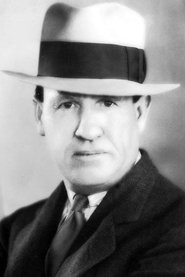
The film is an early entry in the long-running Our Gang series, made during the period when Robert F. McGowan was shaping the unit’s trademark blend of child-centered comedy and loosely organized neighborhood adventure. Like many silent shorts of the era, it was designed as a quick-turnaround one-reel comedy, relying on improvisational-feeling kid behavior, simple staging, and physical gags rather than elaborate production design. The title refers to the mock championship bout at the center of the plot, a setup that fits the series’ recurring interest in childish disputes treated with grand seriousness. Surviving documentation on day-to-day production is limited, but the short reflects the stable ensemble style and studio-controlled outdoor sets associated with Hal Roach’s Our Gang films.
Historical Background
The Champeen was produced in 1923, when the American film industry was firmly in the silent era and short subjects remained an important part of theater programs. It emerged during a period when comedy studios were perfecting recurring-series entertainment, and Hal Roach’s Our Gang shorts became notable for presenting children not as idealized mini-adults but as messy, funny, socially observant kids. The film also reflects the culture of the early 1920s, when boxing was one of the most popular forms of entertainment in America and sports language frequently entered popular comedy. In broader film-history terms, the short belongs to the period in which child ensemble comedy was becoming a durable and influential screen form, paving the way for later family comedies and television group-kid narratives.
Why This Film Matters
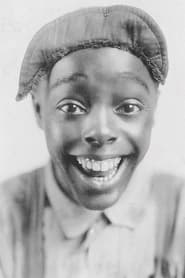
While not one of the most famous Our Gang titles, The Champeen is part of a foundational body of work that helped establish the grammar of child-centered comedy in American film. The series was unusual for its era in giving Black and white children a shared comic world, even though those films are also studied today for the racial stereotypes and limitations embedded in early 20th-century popular entertainment. Sunshine Sammy Morrison’s presence is especially significant because he was one of the earliest prominent Black child actors in American screen comedy, making the film relevant to discussions of representation and early Hollywood labor. As a historical artifact, the short helps illustrate how silent-era studios built long-running franchise comedy around repeatable social situations, an approach that later influenced television ensembles, youth sitcoms, and family-oriented slapstick.
Making Of
The Champeen was made as part of Hal Roach’s highly efficient Our Gang production machine, which specialized in short comedies built around a regular cast of child performers and a familiar neighborhood setting. Robert F. McGowan’s approach depended on keeping the action clear and fast-moving so the kids’ reactions, squabbles, and physical bits could drive the humor without elaborate plot machinery. The boxing-match premise would have allowed the production to stage broad comic business cheaply and effectively, using simple props, outdoor action, and the ensemble’s established screen personalities. As with many silent shorts of this period, surviving production details such as script drafts, continuity notes, and on-set anecdotes are sparse, but the film clearly belongs to the formative stage of the Our Gang series when the formula was being refined.
Visual Style
The visual style is typical of early-1920s silent comedy shorts: straightforward framing, clear staging, and an emphasis on readable action over expressive camera movement. The cinematography would have prioritized the children’s blocking and the physical comedy of the mock fight, ensuring that gestures and reactions were legible without intertitles doing too much heavy lifting. Like many Hal Roach shorts, it likely used practical exterior sets or studio backlot spaces to simulate a neighborhood environment, giving the kids room to run, gather, and clash in open composition. There is no evidence of advanced camerawork or experimental lighting; its visual interest lies in clean comic presentation and timing.
Innovations
The film’s primary achievement is not technological innovation but the refinement of silent-comedy timing within a child ensemble format. It demonstrates the early mastery of economical storytelling: a simple premise, easily grasped character conflict, and a payoff based on escalating physical business rather than dialogue. The short also shows how Hal Roach productions could turn modest studio resources into efficient, repeatable entertainment suitable for weekly exhibition. Its place in the evolving Our Gang series is itself technically notable as part of the workflow that standardized child ensemble comedy for later decades.
Music
As a silent film, The Champeen had no synchronized recorded soundtrack at the time of release. Original exhibition would have relied on live accompaniment, often a theater pianist or small ensemble, using music selected to match the action, mood shifts, and comic rhythm of the short. Any music heard today in surviving prints or restorations is typically added later by archives, distributors, or broadcasters. No original cue sheet is widely documented in readily available sources.
Famous Quotes
Null
Memorable Scenes
- The boys’ rivalry over Mary quickly turning into a formalized boxing challenge arranged by Sunshine Sammy.
- The comic buildup to the championship bout, with neighborhood-kid seriousness treating a childish dispute like a major sporting event.
- The physical comedy surrounding the fight itself, where the mock-heroic premise collapses into typical Our Gang chaos.
Did You Know?
- This is an early Our Gang short released during the silent era, before the series became widely known for its later sound films.
- Sunshine Sammy Morrison appears as the organizer figure who arranges the bout, a role that highlights his importance as one of the most prominent children in the early series.
- The film centers on a child version of a boxing-promotional setup, one of the recurring comic structures used in silent slapstick and juvenile comedy.
- Robert F. McGowan was one of the key creative figures in shaping the Our Gang formula, and this short reflects the series’ early balance of sentiment, rivalry, and roughhouse comedy.
- Mickey Daniels was one of the original and most recognizable child performers associated with the earliest years of the series.
- The character dynamics are built around the classic Our Gang formula of neighborhood children creating adult-sized drama out of trivial matters.
- Because it is a silent short from the early 1920s, there is no synchronized dialogue soundtrack as in later releases; screenings would typically have been accompanied by live music.
- The film survives in classic-film histories as part of the larger Our Gang canon, even though many early shorts are less frequently shown than later entries.
- Its plot exemplifies the series’ recurring pattern of romantic jealousy, boys’ rivalries, and comic physical competition.
- The short is useful for historians because it shows how early children’s comedy often borrowed from adult sports culture and melodrama and transformed it into playground humor.
What Critics Said
Contemporary reviews for many short comedies were brief and often focused on program utility rather than detailed criticism, so surviving full-length critical responses to this specific short are limited. In the context of the Our Gang series, however, the early shorts were generally valued for their charm, kid-centered antics, and reliable comic pacing. Modern critics and film historians tend to assess The Champeen less as a standalone masterpiece than as a representative example of the series’ early development, noting its lively ensemble work and formulaic but effective use of rivalry and romance. It is now usually discussed within the larger historical importance of the Our Gang / Little Rascals canon and early Hal Roach comedy production.
What Audiences Thought
Audiences of the period likely received the film as a light, accessible comedy short that fit well into mixed-feature theater programs. The Our Gang films were popular because they offered recognizable child behavior, physical comedy, and emotional stakes that were easy for family audiences to follow. Although detailed audience records do not survive, the series’ continued production suggests that shorts like this one were commercially successful enough to sustain demand. Modern audiences who encounter it today generally do so as part of retrospectives, home-video compilations, or archival screenings, where it is appreciated more for its historical value and ensemble energy than for polish or narrative complexity.
Film Connections
Influenced By
- Silent-era slapstick comedy
- Boxing-promoter melodramas and sports comedies
- Early Hal Roach short-subject formulas
This Film Influenced
- Later Our Gang / Little Rascals shorts
- Subsequent child-ensemble sitcoms and family comedies
You Might Also Like
More Comedy Films
View allMore from Robert F. McGowan
View allFilm Restoration
The film is not generally regarded as lost; it survives in archival and historical circulation as part of the Our Gang silent-film corpus, though availability can vary by source and print quality. Like many silent shorts, extant materials may derive from later preservation elements rather than pristine original negatives.