1908 · Approximately 4 minutes

Also available on: YouTube Archive.org

The Life Cycle of a Song

1908 Approximately 4 minutes France
Popularity and overexposureMass culture and crowd behaviorThe rise and fall of fashionRepetition and fatigueEntertainment as social contagion

Plot

A popular vaudeville tune begins its life as a catchy novelty that immediately spreads from performer to performer and from street to street. At first, everyone who hears the song is delighted by its infectious rhythm and cannot resist singing, whistling, or dancing along, turning the melody into a social craze. As the number of repetitions increases, however, the joke of the song starts to wear thin, and the public’s enthusiasm gradually turns into fatigue and irritation. The film traces the rise and decline of the tune’s popularity in a comic, observational way, turning a simple musical fad into a miniature study of taste, repetition, and public fashion.

About the Production

Release Date 1908
Production Pathé Frères
Filmed In France

The film was made during Louis Feuillade’s early period at Pathé, when he was producing short actuality pieces, comedies, and narrative sketches for a rapidly expanding international market. Like many French films of the 1900s, it was created as a brief one-reel item designed for exhibition in mixed programs rather than as a feature-length attraction. No detailed production records survive that document the budget, exact shooting locations, or crew beyond the director, but the film fits squarely within Pathé’s polished commercial production system. Its premise reflects the era’s fascination with everyday urban amusements and mass culture, transforming a contemporary song craze into a visual gag.

Historical Background

The film was produced in 1908, during a period when French cinema was among the most influential in the world and Pathé was one of the dominant production and distribution companies. This was the age of the nickelodeon and the short subject, when films were typically only a few minutes long and were shown alongside news films, actualities, trick films, and comic sketches. Popular music, vaudeville, and café-concert culture were central parts of urban leisure in Europe, so a film about a catchy song would have felt immediately modern and familiar to audiences. The movie also reflects the pre-sound era’s fascination with music as a social phenomenon: even without recorded sync sound, cinema could depict the spread of a tune as a visual event. Historically, it matters because it shows how early filmmakers were already engaging with mass entertainment cycles, celebrity, and fleeting fashion long before the term "viral" existed.

Why This Film Matters

The film is culturally significant as a small but telling example of early cinema’s relationship to popular culture. It captures the phenomenon of a hit song becoming overexposed, which makes it an early comic meditation on repetition, trend fatigue, and the speed at which public tastes shift. For historians, it is also important as part of Louis Feuillade’s early body of work before his later achievements in serial storytelling, showing his versatility and his ability to turn everyday cultural observations into concise screen entertainment. While it is not a major canonical masterpiece, it is valuable as evidence of how cinema functioned as a mirror for contemporary urban life and as a vehicle for circulating jokes about modern mass consumption. In that sense, its cultural resonance extends beyond the specifics of the song in the film to the larger pattern of how entertainment becomes fashionable, ubiquitous, and then passé.

Making Of

The Life Cycle of a Song was made in the era when Feuillade and Pathé were producing films with an eye toward immediacy, clarity, and broad audience appeal. Rather than elaborate sets or special effects, the comedy would have depended on recognizable behavior, repeated gestures, and the audience’s familiarity with popular song culture. No surviving production diary or studio record appears to document casting or detailed shooting circumstances, which is typical for many shorts of this period. What can be inferred is that the film was designed to be fast, inexpensive, and highly legible, with the punchline unfolding through the changing reactions of crowds rather than through dialogue. In that sense, it is less a plot-driven film than a cinematic sketch of public enthusiasm and collective boredom.

Visual Style

The cinematography would have been straightforward and theater-like, reflecting early studio practice: fixed camera placement, clear frontal composition, and an emphasis on whole-body performance. Rather than camera movement or intricate editing, the film likely uses a series of simple visual actions staged for maximum readability. The visual style would have relied on crowd reactions, repeated gestures, and comic escalation so that the viewer can follow the joke instantly. This restrained approach is typical of 1908 French shorts and suited to the film’s observational premise.

Innovations

The film’s main achievement is conceptual rather than technical: it turns an aural phenomenon into a visual narrative before synchronized sound existed. It demonstrates an early understanding of how repetition, crowd behavior, and pantomime could stand in for music itself. The movie also shows the efficiency of Pathé-era filmmaking, where a compact idea could be communicated in a few scenes without dialogue cards carrying the burden of the joke. In historical terms, it anticipates later screen comedies about pop culture mania and overexposure, even though it uses no technical effects beyond basic staging and editing.

Music

As a silent film, The Life Cycle of a Song would originally have been accompanied live by a pianist, small ensemble, or theater musician depending on the venue. No original cue sheet or score is known to survive with certainty, and there is no standardized canonical soundtrack associated with the film. Because the premise centers on a popular song, exhibitor musicians may have improvised or selected music that matched the on-screen mood, possibly including recognizable tune fragments or a lively accompaniment that reinforced the comic action. Any modern presentations are typically accompanied by archive-selected or newly created silent-film music.

Memorable Scenes

  • The first moments when the song becomes an instant hit and everyone who hears it begins to sing and dance along in delight.
  • The later reversal in which the same tune, once irresistible, begins to provoke boredom and annoyance as its overuse wears down public enthusiasm.

Did You Know?

  • The film is an early example of a cinema gag built around a social trend rather than a complex plot.
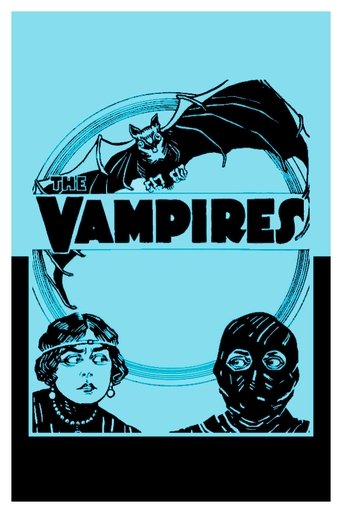
  • Louis Feuillade would later become famous for serials such as Fantômas and Les Vampires, but in 1908 he was still making short comic and dramatic subjects for Pathé.
  • The title suggests a commentary on how quickly popular entertainment can spread and then exhaust itself, a topic that remains recognizable in modern media culture.
  • Because the film is so short, it likely relied on clear pantomime and visual repetition rather than intertitles or elaborate staging.
  • The subject matter connects the film to the music-hall and vaudeville traditions that strongly influenced early cinema comedy.
  • The film survives in archival circulation under its English title, but documentation about original French exhibition materials is sparse.
  • Its humor comes from escalation and reversal: first the song is irresistible, then overexposure makes it tiresome.
  • The film is representative of Pathé’s strategy of producing topical, easily exportable shorts for international audiences.
  • It is an example of how early filmmakers treated songs, dances, and musical fashions as cinematic subjects even before synchronized sound.
  • The production belongs to the transitional years when cinema was developing from photographed stage entertainment into a more self-conscious narrative medium.

What Critics Said

Contemporary critical documentation for this short is limited, and detailed reviews from 1908 are not widely preserved. Like many Pathé shorts, it was likely received as a light comic item rather than as a work meant for formal criticism, and it would have been judged mainly on immediacy, clarity, and audience amusement. Modern scholars tend to value the film primarily as a historical artifact: an example of early French comic filmmaking, a marker of Feuillade’s pre-serial career, and a useful lens on turn-of-the-century popular culture. It is not usually singled out for artistic innovation in the way Feuillade’s later crime serials are, but it is appreciated for its period charm and for the way it crystallizes a recognizable social dynamic in a few minutes of screen time.

What Audiences Thought

No precise audience records survive, but the film was likely intended to elicit quick recognition and easy laughter from viewers familiar with songs becoming fashionable. Audiences in 1908 were accustomed to very short, varied programs, so a comic sketch like this would have functioned as a breezy diversion between more dramatic or documentary items. Its humor probably depended on shared knowledge of popular entertainments and on the universal experience of being amused by something at first and then tiring of it through repetition. Because it addresses a phenomenon that people immediately understand, it likely worked well as a mass-audience item even without the need for dialogue or elaborate narrative setup.

Film Connections

Influenced By

  • Music-hall and vaudeville comedy
  • Early French stage-based comic sketches
  • Contemporary song-and-dance popular entertainment
  • Pathé’s short-form comic production tradition

This Film Influenced

  • Later silent comedies about popular fads and public mania
  • Early screen sketches built around repeating jokes or musical crazes
  • Social-satire shorts that treat trends as comic spectacle

Film Restoration

The film is preserved in archival circulation and is known today through surviving prints or archive holdings, though detailed restoration information is not widely documented in readily available public sources.

Themes & Topics

vaudevillesong crazecomic shortcrowdspantomime