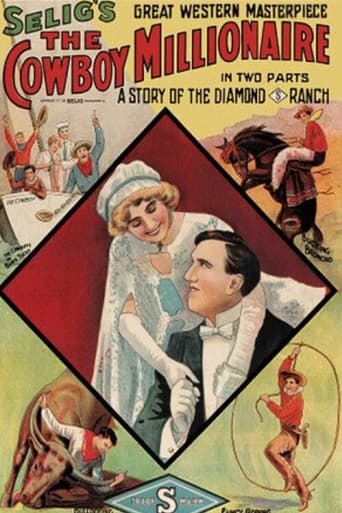
1910 · Approximately 1 reel; exact duration in minutes unknown

The Sergeant

The Sergeant

1910 Approximately 1 reel; exact duration in minutes unknown United States
Redemption through courageFrontier honor and dutyMilitary discipline versus personal judgmentRescue and survival in the wildernessRomantic adventure

Plot

In this early Western drama, a sergeant takes the commanding officer’s daughter on a horseback outing along the Merced River, but the excursion turns dangerous when a renegade steals their horses and strands the pair on foot. As they try to make their way back to headquarters, they lose their trail and are reported missing, prompting mounted troops to search the surrounding country. The sergeant and the young woman are eventually found the next day, but his reputation suffers because the incident suggests poor judgment and an inability to protect his charge. When an Indian attack later threatens the outpost, however, the sergeant escapes captivity or confinement, rallies help, and leads reinforcements back to rescue the defenders, restoring his honor through courage and decisive action.

About the Production

Release Date 1910
Production Selig Polyscope Company
Filmed In Likely the American West, with location work associated with Northern California and/or Oregon river country as reflected in the surviving description, Merced River area, as identified in historical plot materials, Possible Clackamas River area in Oregon, suggested by preservation and location notes

This is a short silent Western produced in the very early studio era, when companies like Selig Polyscope routinely shot on location to give frontier films a sense of authenticity. The surviving synopsis and archival notes suggest that the picture used natural river settings, mounted riders, and staged cavalry/Indian-attack material characteristic of 1910 Western filmmaking. No production budget or box-office figures are known to survive for the film, which is typical for films from this period. The film is also notable for its preservation history: it was preserved in 2012 by the Academy Film Archive in partnership with the National Film Preservation Foundation's New Zealand Project, indicating that extant materials may have come from international archival holdings rather than a complete domestic print.

Historical Background

The Sergeant was produced in 1910, when the American motion picture industry was still in the early transitional phase between one-reel shorts and the longer narrative forms that would dominate a few years later. Westerns were already becoming one of the most popular and exportable genres in silent cinema, partly because they translated easily across language barriers through action, landscape, and familiar archetypes. At this time, companies such as Selig Polyscope were helping define the visual grammar of the Western with outdoor location shooting, cavalry imagery, and frontier rescue plots that became genre staples. The film also reflects early-20th-century attitudes toward military order, masculine duty, and frontier conflict, presenting the sergeant’s redemption through service and bravery. Its survival is historically important because so many 1910 films are lost; every extant example helps scholars understand how early Westerns were structured, photographed, and marketed before the feature film era took hold.

Why This Film Matters

Although not a widely canonical title today, The Sergeant is culturally significant as an example of the formative period of the American Western, when the genre was moving from simple novelty scenes to moralized storytelling with recurring tropes. It helps document the work of Francis Boggs, an important early director whose films contributed to the development of West Coast production and the Western as a commercially reliable genre. The film also reflects the long-standing popularity of rescue narratives and military-frontier adventures, which would continue to shape Westerns for decades. Its preservation status gives it added value as a surviving artifact from a period when countless shorts disappeared, making it useful to historians studying performance style, location shooting, and early studio production practices.

Making Of

The Sergeant was made during the period when Selig Polyscope was building a reputation for frontier subjects filmed outdoors in scenic western terrain. Francis Boggs was a key creative force in that system, and films like this relied on a small number of intertitles, clear physical action, and broad character types to communicate the story quickly. Hobart Bosworth’s presence suggests the production was anchored by one of the era’s most recognizable leading men, while the horseback riding, pursuit, and rescue material likely required practical stunt work and careful coordination with animals and riders. No detailed production diary survives, but the film’s preservation record implies that the title remained known to archivists through surviving prints or fragments that allowed reconstruction of its content. Its later preservation by the Academy Film Archive, in collaboration with the National Film Preservation Foundation New Zealand Project, indicates that the film’s surviving elements had an archival journey far beyond the original 1910 release context.

Visual Style

As a 1910 silent Western, the film would have relied on static or minimally mobile camera setups, with composition emphasizing action legibility, horseback movement, and the relationship between figures and open landscape. The outdoor river setting would have provided natural depth and scenic contrast, a hallmark of early Western cinematography that helped distinguish the genre from stagebound dramas. The film likely used long shots for riding and search sequences, allowing the audience to follow geography and action without complex cutting. Even if modest by later standards, the visual emphasis on horses, mounted troops, and wilderness terrain would have been central to its appeal and to the authenticity Selig Polyscope sought in its frontier pictures.

Innovations

The film does not appear to be associated with a specific named technical innovation, but it is representative of the early Western’s practical achievements in location photography, horse staging, and action clarity. Its use of river scenery and mounted search sequences demonstrates the growing confidence of early filmmakers in outdoor production far from studio interiors. The film is also technically notable for its survival and archival preservation history, since many productions of this era are lost. In that sense, the preservation work itself is a major modern achievement connected to the film.

Music

No original score is documented. As a silent film, it would originally have been accompanied by live music in exhibition, varying by venue and accompanist, with possible use of piano, organ, or small ensemble arrangements. Any modern screenings would typically rely on contemporary silent-film accompaniment choices rather than a historically preserved cue sheet unless a specific archival score has been created for restoration presentations.

Famous Quotes

No verified surviving dialogue or intertitles are currently documented in accessible sources.
As a silent film, any quotation is dependent on surviving intertitle text, which is not readily available.

Memorable Scenes

  • The horseback outing along the river, which establishes both the romance and the danger of the frontier setting.
  • The theft of the horses by a renegade, which strands the sergeant and his commander’s daughter on foot.
  • The mounted troops searching for the missing pair, a classic early Western visual of organized rescue.
  • The moment the couple is found the next day and the sergeant is disgraced for having lost the trail.
  • The later Indian attack in which the sergeant escapes and leads reinforcements to save the outpost, completing his redemption arc.

Did You Know?

  • This film is often discussed in archival contexts because it survives in material preserved through an international preservation partnership rather than only through standard U.S. studio holdings.
  • The location in the plot is given as the Merced River, but archival commentary has suggested the river scenes may actually have been photographed near Oregon’s Clackamas River.
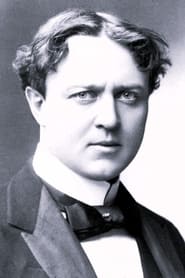
  • The film stars Hobart Bosworth, one of the most important early American screen actors and a major figure in silent-era Westerns and sea adventures.
  • Francis Boggs, the director, was one of the pioneering directors of the Selig Polyscope Company and helped establish feature and location filmmaking practices on the West Coast.
  • The narrative combines romance, frontier danger, military discipline, and rescue-action elements, all common ingredients in early Western shorts designed for rapid emotional clarity.
  • The film’s plot structure centers on a moral reversal: the sergeant is disgraced for an apparent failure, then redeemed by bravery under attack.
  • Because it is from 1910, it predates the standardized feature-length Western and reflects the shorter, episodic storytelling style of the genre’s formative years.
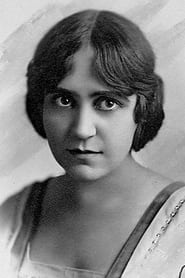
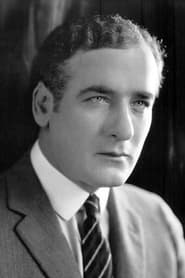
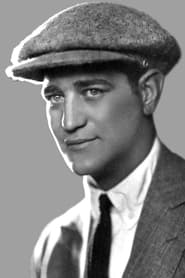
  • The cast includes Tom Santschi and Iva Shepard, both associated with silent-era productions and early Selig company films.
  • The surviving description indicates mounted troops searching for the missing couple, a visual set piece that would have been attractive to early audiences.
  • Its preservation in 2012 underscores how many early Westerns survive only in fragmentary or newly identified archival elements.

What Critics Said

Contemporary critical reviews are not readily documented in surviving readily accessible sources, which is common for many 1910 shorts that were reviewed briefly in trade papers rather than at length in mainstream criticism. At the time, films like this were generally judged on clarity of action, scenic value, and audience appeal rather than on psychological depth or stylistic complexity. In modern scholarship, the film is of interest primarily to archivists and historians for its survival, its association with Francis Boggs and Hobart Bosworth, and its place in the early evolution of the Western. It is likely regarded less as a masterpiece than as an important historical specimen that illustrates how the genre functioned in its earliest phase.

What Audiences Thought

Specific audience-response records have not survived in a robust way, but early Western shorts were typically popular with general audiences because they delivered quickly readable adventure, outdoor spectacle, and familiar frontier excitement. The film’s mix of romance, horse action, search parties, and attack-and-rescue climax would have been especially effective for nickelodeon-era viewers seeking immediate dramatic payoff. The moral turnaround in which the disgraced sergeant redeems himself likely provided a satisfying emotional arc for contemporary audiences. Its continued archival interest suggests that, while the original mass audience is long gone, the film still has value for modern viewers interested in silent-era storytelling and early genre history.

Film Connections

Influenced By

  • Early Selig Polyscope Westerns
  • Frontier melodramas and cavalry rescue stories popular in nickelodeon-era cinema
  • Stage and pulp adventure traditions featuring military honor and wilderness peril

This Film Influenced

  • Later cavalry Westerns that use rescue-and-redemption plots
  • Silent-era frontier melodramas featuring a disgraced hero restored by action
  • Early location-shot Western shorts by other American studios

Film Restoration

Preserved. The film was preserved in 2012 by the Academy Film Archive in partnership with the National Film Preservation Foundation New Zealand Project. It is not generally described as a lost film, although the exact completeness of surviving elements is not clearly documented in the available summary information.

Themes & Topics

Westernsergeantrescuehorseback riderenegadeIndian attackmounted troopsdisgraceredemptionsilent film