1923 · 97 minutes

Also available on: Archive.org
Explosion

Explosion

1923 97 minutes Germany
Female abandonment and social shameBetrayal and emotional responsibilityReinvention and survivalClass and industrial lifeMoral judgment and redemption

Plot

Maria is cast out by her father after it is revealed that Georg has seduced her, leaving her socially ruined and forced to fend for herself. Georg, fearing the anger and possible retaliation of Maria's father, abandons her and flees to the mining town of Sankt Anton, where he expects to disappear among the colliers. Maria follows her own difficult path to survival and eventually arrives in Sankt Anton, where she tries to rebuild her life with dignity. There she meets Thomas, and the two young people become engaged, offering Maria a chance at stability and renewal. When Maria and Georg encounter one another again, the resulting emotional confrontation sets the stage for the film's dramatic climax, turning personal betrayal into a larger tragedy of guilt, desire, and social judgment.

About the Production

Release Date 1923
Production UFA
Filmed In Germany

Explosion was made during the height of the German silent cinema era, when UFA functioned as the dominant production and distribution force in the country. The film is associated with director Karl Grune, whose work in the early 1920s often combined melodrama with social observation and expressionistic visual intensity. As with many Weimar-era productions, exact surviving production records are limited, so detailed information about budget, unit assignments, or specific shoot locations is not consistently documented in readily accessible sources. The film was originally released at 97 minutes, indicating a feature-length production of substantial scope for the period.

Historical Background

Explosion was produced in 1923, a turbulent year in the Weimar Republic marked by political instability, economic crisis, and the hyperinflation that devastated everyday life in Germany. German cinema at this time was both an artistic laboratory and an export industry, with UFA playing a central role in developing stylized, high-quality features that could circulate internationally. The film emerged during a moment when audiences were drawn to melodramas that transformed private suffering into a mirror of broader social anxieties. Its focus on female shame, male betrayal, industrial space, and the struggle for moral recovery reflects the cultural tensions of the period, especially concerns about modernity, class, and the fragility of social order. As a Weimar silent drama, it is part of the larger historical movement that helped establish German cinema as one of the most artistically admired film cultures of the silent era.

Why This Film Matters

Although Explosion is not among the most famous surviving German silent films, it is culturally significant as a representative example of early Weimar melodrama and of Karl Grune's contribution to the period's cinematic style. Films like this helped define the emotional and visual vocabulary of German silent storytelling, especially in works centered on social shame, female agency, and industrial settings. Its plot places personal scandal within a working environment, linking private and public hardship in a way that would resonate with Weimar audiences living through national crisis. The film also adds to the screen legacy of Liane Haid and the broader star system that German studios cultivated in the 1920s. For film historians, Explosion is valuable as a record of how mainstream German cinema negotiated morality, desire, and social consequence in the years before sound.

Making Of

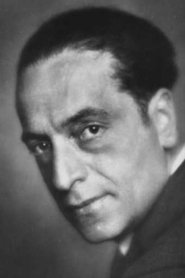
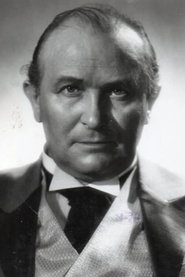
Explosion belongs to the early-1920s German studio system, when UFA was assembling ambitious features meant to compete artistically and commercially with imported American productions. Director Karl Grune was working in a period when silent cinema relied heavily on expressive mise-en-scène, performance, and visual rhythm to convey psychological tension, and this film appears to have been shaped by those priorities. While the surviving public record does not provide extensive production anecdotes, the casting of established actors such as Liane Haid, Hermann Vallentin, and Eugen Klöpfer indicates that the production likely aimed at a serious adult audience. The film's premise, involving seduction, abandonment, and a morally fraught reunion in a mining town, suggests a screenplay tailored to showcase emotional conflict and social consequence, themes that were popular in German prestige cinema of the period.

Visual Style

Specific cinematographer credit is not consistently documented in accessible summaries, but the film belongs visually to the expressive German silent tradition of the early 1920s. One would expect careful staging, strong contrasts, and attention to mood and social space, especially given the mining-town setting and the emotional intensity of the narrative. Karl Grune's films often emphasize psychological tension through composition and movement, so the visual design likely supported the story's atmosphere of dread, shame, and confrontation. The title itself suggests an aesthetic of build-up and release, which may have been reflected in the film's editing and shot progression. As with many UFA dramas, production design would have been important in distinguishing the different social worlds of the characters.

Innovations

Explosion does not have a widely cited technological innovation associated with it, but it belongs to the technically refined UFA production environment of the early 1920s. Its significance lies in the integration of performance, set design, and visual storytelling typical of German prestige silent cinema. The film likely relied on sophisticated studio craft rather than overt technical novelty, using composition and atmosphere to heighten emotional stakes. Its survival in film history is tied more to the artistry of its period and director than to a specific breakthrough effect or apparatus.

Music

As a silent film, Explosion would originally have been accompanied by live music in theaters, but no single original score is consistently documented in surviving accessible sources. Like many German silent features of the period, it may have been shown with theater-specific accompaniment or with cue-based musical arrangements supplied by exhibitors. No widely standardized soundtrack is known to survive as part of the film's modern documentation. Any contemporary presentation would typically rely on reconstructed or newly commissioned accompaniment appropriate to the silent format.

Memorable Scenes

  • Maria being driven away by her father after Georg's seduction is revealed, establishing the film's central emotional rupture.
  • Georg's hurried flight to Sankt Anton, where he believes he can hide among the miners, underscores his cowardice and fear.
  • Maria's arrival in the mining town and her attempt to build a new life give the film its redemptive middle movement.
  • Maria and Thomas becoming engaged offers a brief vision of stability before the return of Georg complicates everything.
  • The renewed encounter between Maria and Georg brings the drama to a point of emotional explosion, fulfilling the film's title in symbolic form.

Did You Know?

  • The film is a Weimar Republic melodrama and reflects the era's frequent concern with social disgrace, female vulnerability, and moral crisis.
  • Karl Grune is best remembered for psychologically charged silent films, and Explosion fits within his reputation for combining emotion with visually expressive storytelling.
  • The title Explosion is often understood as metaphorical, referring to the emotional and social rupture at the center of the story rather than a literal blast.
  • The film stars Liane Haid, one of the notable actresses of German and Austrian silent cinema, whose presence added star value in the early 1920s.
  • Hermann Vallentin and Eugen Klöpfer were both well-known character actors in German cinema, giving the film a strong supporting cast of experienced performers.
  • The story's mining-town setting places it among silent films that used industrial or working-class environments to frame personal drama.
  • Like many German silent films of the period, Explosion survives primarily through archival records, cast lists, and historical film references rather than widespread modern circulation.
  • The film is associated with UFA, the most influential German film company of the era, which helped shape international perceptions of German cinema in the 1920s.
  • The original 97-minute running time suggests a relatively elaborate narrative structure, typical of prestige silent melodramas rather than short subjects.
  • The film is sometimes discussed in relation to Weimar-era social melodramas that explore the consequences of sexual transgression and abandonment.

What Critics Said

Contemporary critical reception is not well documented in widely available modern sources, and detailed review archives are limited. In the context of the period, Karl Grune's films were generally respected for their emotional seriousness and formal discipline, though Explosion has remained less discussed than some of his better-known titles. Modern criticism tends to treat the film primarily as a historical artifact of Weimar melodrama rather than as a frequently screened canonical masterpiece. Its reputation rests more on its place within UFA's early-1920s production slate and on historical interest in Grune's career than on an abundant body of surviving reviews. Because the film is not widely available, present-day assessment is shaped more by archival description than by broad popular reappraisal.

What Audiences Thought

There is limited surviving documentation on audience response, but as a UFA-produced feature with recognizable stars and a strong melodramatic premise, it was likely designed for broad adult appeal. Silent-era audiences were often receptive to emotionally charged stories involving betrayal, redemption, and romantic conflict, especially when presented with strong visual style and high production values. The mining-town setting and the moral dilemma at the center of the story would have offered viewers a mix of sensational drama and social realism. Today, audience familiarity is low because the film is not commonly screened and appears to survive only in restricted archival circulation rather than as a mainstream home-video title.

Film Connections

Influenced By

  • German melodramatic stage traditions
  • Weimar Republic social dramas
  • Expressionist-influenced silent cinema
  • UFA prestige productions

This Film Influenced

  • Null

Film Restoration

The film appears to be extant in archival form, but it is not widely circulated and may survive only in limited or incomplete access prints; no major restoration is widely documented in commonly accessible sources.

Themes & Topics