Max's Hat
Plot
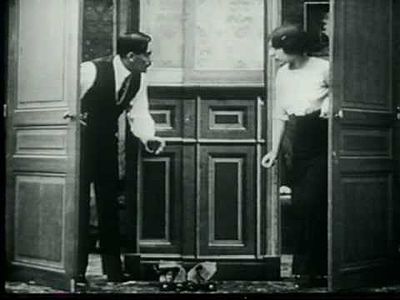
Max receives an invitation to visit his future in-laws and realizes he must present himself in proper formal wear, which in this comic situation centers on wearing the correct hat. He begins a series of attempts to leave the house suitably dressed, but each hat he selects is ruined in an absurd new mishap before he can depart. The comedy escalates through a chain of visual gags as Max’s frustration grows and his efforts to preserve a respectable appearance are repeatedly thwarted by bad luck and slapstick destruction. The film is built around the simple but elastic premise of social anxiety, vanity, and the impossibility of controlling one’s appearance in the face of chaos, ending with the sustained humiliation and comic defeat characteristic of Max Linder’s persona.
Director
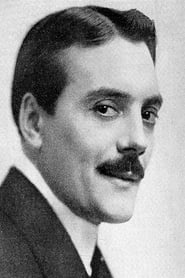
Max LinderCast
About the Production
Max's Hat is a short French silent comedy from Max Linder's early career, produced during the period when Pathé was one of the world’s most important film companies and Linder was developing the dapper, neurotic comic persona that made him internationally famous. Like many films from 1913, it was likely shot largely in studio and controlled exterior settings rather than on elaborate location, with the emphasis placed on timed physical comedy and visual repetition. The film’s premise is constructed almost entirely around a single comic escalation: each replacement hat is destroyed, allowing Linder to vary facial reactions, body language, and comic timing rather than depend on dialogue. Precise budget, box office, and exact filming location data are not known for this title, which is common for films of this era.
Historical Background
The film was made in 1913, a pivotal moment in world cinema just before the outbreak of World War I and during the rapid expansion of the international film industry. France, through companies such as Pathé, remained a major center of film production, export, and stylistic innovation, and comedians like Max Linder were among the first globally recognizable screen celebrities. The period also saw silent comedy crystallizing its core forms: the gentleman-clown, the escalating gag, and the use of everyday objects as engines of farce. Max's Hat matters historically because it reflects both the sophistication of early cinematic humor and the commercial importance of star-driven comedy shorts in the years when cinema was becoming a mass entertainment medium.
Why This Film Matters
Although not among the most famous of Linder’s surviving or widely cited films, Max's Hat is culturally significant as a compact example of the elegant slapstick that helped define screen comedy before the feature-film era fully matured. The film demonstrates how early comedians transformed ordinary social rituals, such as visiting in-laws or dressing formally, into universally understandable comedy built on vanity, embarrassment, and repetition. Its premise also reflects the enduring cultural symbolism of clothing, particularly hats, as markers of class, decorum, and masculine self-presentation in the early twentieth century. Within film history, the short helps illustrate why Max Linder is often described as a major precursor to later comic stylists, especially in the refinement of persona-driven silent humor.
Making Of
Max's Hat was made during the period when Max Linder was one of the most recognized comedians in the world, and his films were frequently structured around his polished but unlucky screen gentleman. As director and star, Linder typically favored clean staging, readable action, and precise comic escalation so that international audiences could follow the humor without language barriers. The film’s production would have required careful control of props, especially the hats, because the joke depends on repeated destruction that must look surprising yet coherent from shot to shot. While detailed production records are not widely preserved, the title fits neatly into Linder’s broader method of building comedy from social embarrassment, quick visual reversals, and an increasingly desperate performer trying to maintain dignity.
Visual Style
The film’s cinematography would have been characteristic of early 1910s French comedy: static or minimally moving camera placement, clear staging in depth, and emphasis on full-body performance so the audience can read each comic beat. Since the joke depends on the visual transformation of the hat from intact object to ruined prop, the framing would need to keep the action legible and the destruction clearly visible. Early Pathé-era comedies often prioritized brightness, directness, and theatrical clarity over elaborate camera movement, and this film likely follows that model. The visual style supports Linder’s performance by letting his facial reactions and dignified posture contrast sharply with the increasingly absurd damage to his wardrobe.
Innovations
The film does not appear to be associated with major technical innovations in the sense of special effects or camera breakthroughs, but it is notable for its disciplined use of comic structure. Its main achievement lies in the precision of repetition, escalation, and prop-based gag construction, which are essential techniques in silent comedy. The destruction of multiple hats likely required careful continuity planning and practical effects work so that each mishap would read instantly on screen. In that sense, the film exemplifies the craft of early screen comedy, where timing, object handling, and visual clarity were the most important technical tools.
Music
As a 1913 silent film, Max's Hat originally had no synchronized recorded soundtrack. Any music would have been supplied live in the theater by a pianist, small ensemble, or house musician, often improvised or selected to match the comic mood and pacing of the screening. No definitive original score is known for the film. Modern presentations of silent films of this kind may use newly compiled accompaniment, but that would not reflect an original soundtrack from the production.
Memorable Scenes
- Max repeatedly selects a different formal hat only for each one to be damaged before he can leave for his appointment.
- The escalating sequence of ruined hats turns an ordinary act of dressing into a drawn-out crisis of comic humiliation.
- Max’s increasingly exasperated reactions provide much of the humor as he tries to maintain dignity despite repeated setbacks.
Did You Know?
- The film is associated with Max Linder’s famous screen image of an elegant gentleman repeatedly undone by everyday mishaps.
- Its title is sometimes rendered in archival sources with slight variations, a common issue for silent-era shorts with inconsistent cataloguing.
- The entire comedy is built around a single object, the hat, which was a recurring symbol of class, respectability, and male identity in early cinema.
- Max Linder was not only the star but also the director, a practice that helped him shape his persona and comic rhythm more precisely.
- The film belongs to the period when Linder’s style strongly influenced later screen comedians, including Charles Chaplin.
- Because it is a silent film, much of the humor depends on physical reaction shots and the escalating visual destruction of the hats rather than intertitles.
- The movie is representative of the pre-World War I European comedy short, where a simple domestic premise could be stretched into a full comic routine.
- Surviving documentation on this title is limited compared with later feature films, so many production details remain uncertain.
- The film’s central gag anticipates countless later comedies in which a character’s attempt to dress formally is sabotaged by bad luck.
- It is an example of Max Linder’s ability to turn refined etiquette into a source of slapstick embarrassment.
What Critics Said
Contemporary critical response to this specific short is not well documented in surviving sources, which is typical for many early silent comedies that circulated widely but were not extensively reviewed in the modern sense. In the broader historical view, Max Linder’s work has been highly praised by film historians for its sophistication, timing, and influence on later screen comedy, and Max's Hat is understood as part of that achievement. Modern appreciation tends to focus on the precision of Linder’s physical acting and on the efficiency of the gag construction rather than on narrative complexity. As with many early films, scholarly interest today is tied more to its place in Linder’s body of work and in the evolution of cinematic comedy than to any extensive surviving contemporary critique.
What Audiences Thought
Audience reception at the time would likely have been strong among viewers familiar with Max Linder’s comic persona, since his films were designed for broad international appeal and depended on easily readable visual humor. The repeated destruction of the hats would have offered a simple, escalating payoff that silent-era audiences could grasp immediately without dialogue. Because the film was a short comic subject rather than a prestige feature, its success would have been measured through general popularity and repeat exhibition rather than formal audience metrics. Today, viewers of silent comedy generally respond to it as a clean example of old-school slapstick and persona comedy, even if the exact contemporary box-office reaction is no longer documented.
Film Connections
Influenced By
- Music-hall and vaudeville comic routines centered on costume mishaps
- Early French farce and boulevard comedy traditions
- Max Linder's own established screen persona and recurring comic formulas
This Film Influenced
- Later gentleman-clown comedies built around social embarrassment
- Silent slapstick shorts featuring repeated costume gags
- The comic persona work of later performers such as Charlie Chaplin and Harold Lloyd
You Might Also Like
More Comedy Films
View allMore from Max Linder
View allFilm Restoration
The preservation status is uncertain in accessible public references; as with many silent-era shorts, it may survive only in incomplete or archival form, but precise restoration or loss information is not readily confirmed from the available data.