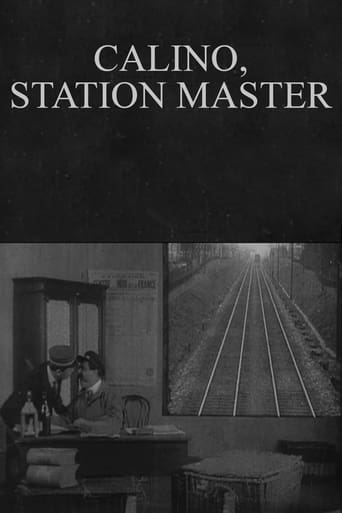
Onésime sur le sentier de guerre
Plot
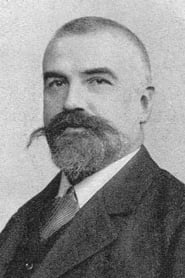
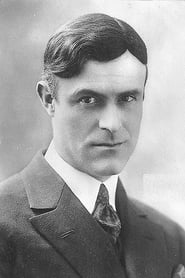
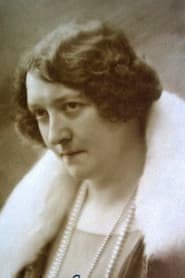
Onésime sur le sentier de guerre is a short French comic western parody built around the recurring Onésime character, played by Ernest Bourbon, whose blundering bravado turns the mythology of the American frontier into a vehicle for slapstick. The film places Onésime in a stylized western setting where he becomes entangled in the familiar tropes of stagecoach danger, frontier conflict, and heroic confrontation, only to undercut them through comic incompetence and visual gags. Rather than presenting a serious adventure, the film satirizes the codes of the Western genre that were already recognizable to French audiences through imported American and Italian pictures. The plot develops as Onésime attempts to act like a fearless frontier hero, but his self-importance and bad judgment repeatedly create chaos for everyone around him, including the characters played by Gaston Modot and Berthe Dagmar. The comedy comes from the contrast between the heroic pose of the title and the absurdly inept behavior of the protagonist, ending in a final reversal that restores order while puncturing the romantic image of frontier warfare.
Director
Jean DurandAbout the Production
This was produced as a short silent comic film in the early years of the French cinema industry, during the period when Jean Durand and the Pathé company were making numerous fast-paced, gag-driven comedies for a mass audience. It belongs to the Onésime series, a comic vehicle that allowed Ernest Bourbon to play a recurring fool-hero whose exaggerated confidence was the source of the humor. The western setting is likely a studio-built or nearby exterior approximation rather than an attempt at realistic American location shooting, which was common for French genre parodies of the period. As with many films from 1913, precise surviving production records such as budget sheets, shooting dates, or release publicity are not readily documented in surviving public sources.
Historical Background
The film was made in 1913, during the final year before World War I transformed European filmmaking, exhibition, and public life. French cinema was still one of the dominant forces in international film production, and Pathé in particular had helped establish many of the industrial and stylistic norms of early narrative filmmaking. At the same time, American westerns were becoming globally recognizable, making them ripe for parody by European filmmakers who could assume audiences would understand the genre's stock images and story patterns. The film therefore sits at an interesting crossroads: it reflects both the international circulation of cinema and the distinctly French comic tradition of deflating heroic postures through slapstick. Its existence also illustrates how early cinema was already self-consciously responding to genre conventions decades before parody became a dominant feature of later film cultures.
Why This Film Matters
Although not among the most famous silent films, Onésime sur le sentier de guerre is culturally significant as an example of early genre parody and transnational film culture. It demonstrates how French filmmakers were engaging with the western as a mythic form very early in cinema history, reworking it for comic effect and local taste. The film is also valuable for showing the career of Jean Durand and the comic persona of Ernest Bourbon, both of whom contributed to the development of French screen comedy. For historians, it is a reminder that parody, genre awareness, and international cinematic exchange were present from the silent era onward, not just in later Hollywood comedy. Its survival in film catalogs and archival references contributes to our understanding of the breadth of Pathé’s output and the diversity of early 1910s screen comedy.
Making Of
Onésime sur le sentier de guerre was made at a time when Pathé and other French studios were producing large quantities of short comic films designed to be immediately legible to broad audiences. Jean Durand specialized in brisk, visually clear comedy, often relying on simple premises, expressive performers, and escalating physical mishaps rather than elaborate intertitles or dialogue. The film’s cast links it to the broader French film industry of the 1910s, where performers moved fluidly between comic shorts, melodramas, and serials. Surviving documentation on the exact shoot is limited, but the film fits neatly into the industrial practice of the period: economical production, reusable sets, and a strong emphasis on topical or genre-based humor. Its parody of the western was part of a broader European habit of transforming imported film genres into local comedy forms, making the foreign familiar by exaggeration.
Visual Style
The cinematography would have been characteristic of early 1910s French studio and location comedy: fixed or lightly adjusted camera setups, full-figure framing to keep physical action visible, and an emphasis on readable staging over elaborate camera movement. In a parody western, the visual style likely relied on costuming, gestural performance, and recognizable frontier icons such as hats, guns, and rustic settings to establish the genre immediately. Jean Durand's comedies often favored clear spatial organization so that gags could play out cleanly within the frame. The result would have been less about atmospheric realism than about making the comic action instantly legible to audiences.
Innovations
The film does not appear to be associated with a major technical innovation, but it is notable for the efficient use of silent-era comic technique: visual shorthand, rapid setup of genre expectations, and gag-driven staging. Its achievement lies in the clarity with which it transforms the western into a readable comic template for French audiences. The production also reflects the industrial sophistication of Pathé in the period, when the company was capable of turning out polished genre pieces quickly and consistently. For historians, the main technical interest is its place in early film comedy's evolution rather than any singular innovation in camera or editing practice.
Music
As a silent film from 1913, it did not have a synchronized recorded soundtrack. It would originally have been accompanied in theaters by live music, often improvised or selected by the exhibitor to match the mood of the scenes. No specific original score is known to survive in public documentation. Any modern screenings would generally use a reconstructed, commissioned, or archival accompaniment rather than an historically fixed soundtrack.
Memorable Scenes
- Onésime blustering into the western setting as if he were a fearless frontier hero, only for the situation to collapse into comic disorder.
- A sequence in which the familiar imagery of the western is undercut by slapstick behavior and exaggerated incompetence.
- The final comic reversal in which Onésime's bravado is exposed and the parody of frontier heroism is completed.
Did You Know?
- The film is part of the Onésime comedy cycle associated with Pathé, one of the major French film companies of the silent era.
- It is a parody western made in France, showing how early European cinema adapted and spoofed popular American genres almost as soon as they became internationally recognizable.
- Ernest Bourbon was a recurring comic performer in the Onésime films, effectively giving the series a familiar clown figure for audiences.
- Jean Durand was known for energetic comic staging and action-oriented farce, which made him a strong fit for genre parody.
- Gaston Modot appears in the cast before becoming better known later for major works in French cinema, including collaborations with avant-garde and surrealist filmmakers.
- Because it is a 1913 silent short, the film would originally have been accompanied by live music in the theater rather than a fixed recorded score.
- The western setting is a notable example of early French cinema's fascination with American frontier imagery, filtered through comedy rather than realism.
- Like many films of its era, it survives in historical records primarily through cataloging and archival references rather than through widely circulating modern prints.
- The title translates roughly as 'Onésime on the Warpath,' emphasizing both the western motif and the comic absurdity of the character's self-importance.
What Critics Said
Contemporary critical responses are not widely documented in accessible modern sources, which is common for short silent comedies from the pre-World War I era. At the time of release, such films were typically reviewed less as artworks than as program items judged by their comic effectiveness, novelty, and appeal to theater audiences. Modern assessment places it within the broader appreciation of Jean Durand’s contribution to French slapstick and Pathé's production of lively comic shorts. Today the film is of greater interest to historians than to general critics, valued for its role in early genre parody and for the light it sheds on prewar French cinema.
What Audiences Thought
Detailed audience records have not survived in widely available form, but films in the Onésime series were made for popular amusement and likely played well as short comic attractions in variety-style programs. The humor would have depended on broad physical comedy, recognizable western conventions, and the repeat appeal of the Onésime character. Because it was brief and part of a commercial studio system, the film was probably consumed as an entertaining program piece rather than as a prestige feature. Modern audiences encountering it today would likely see it as an amusing but historically specialized artifact of silent-era parody.
Film Connections
Influenced By
- American western melodramas and frontier films popular in the early 1910s
- French slapstick and farce traditions
- Pathé comic short-film production style
This Film Influenced
- Early French parody westerns
- Later silent comic western spoofs
- Broader European genre parodies that play on imported American film conventions
You Might Also Like
More Comedy Films
View allMore from Jean Durand
View allFilm Restoration
The film is documented in film archives and reference catalogs, but no widely accessible preservation status is consistently reported in public sources. It is not known to survive in a commercially available restored edition, and like many 1913 shorts it may be incomplete, privately held, or available only through archival access.