1924 · Approximately 60 minutes

Also available on: Archive.org
Open All Night

Open All Night

1924 Approximately 60 minutes United States
Marital boredom and renewed desireFlirtation and romantic misdirectionModern leisure cultureJealousy and emotional competitionThe contrast between domestic stability and physical excitement

Plot

Therese Duverne, bored with the calm and predictable nature of her marriage to Edmond, becomes susceptible to a bit of social intrigue when Isabelle Fevre encourages Edmond to spend the night away at the bicycle races. Isabelle then takes Therese to the same event and introduces her to Petit Mathieu, a vigorous, masculine racer whose swagger contrasts sharply with Edmond's placid manner. Mathieu has recently quarreled with his sweetheart, Lea, and he is happy to court Therese, even suggesting that they run away together once he wins the grueling six-day race. Meanwhile, Lea turns her attention to Edmond, and the couples’ emotional attachments become cross-wired in a comic study of flirtation, jealousy, and marital restlessness. In the end, Therese realizes that Mathieu’s bravado is not the kind of passion she truly wants, Edmond discovers a temper and renewed confidence, and the original couples are restored, while Isabelle returns to helping her alcoholic lover Igor chase his own movie ambitions.

About the Production

Release Date 1924-01-27
Production Paramount Pictures, Famous Players-Lasky Corporation
Filmed In United States

Open All Night was produced in the late silent era as a sophisticated urban comedy built around romantic reversals and the fashionable spectacle of bicycle racing. It was directed by Paul Bern, who was better known in later years as a producer and studio executive than as a director, making the film a notable example of his early directorial work. Surviving documentation for precise production data is limited, and many details such as exact budget, shooting schedule, and box-office performance are not readily verified from extant sources. Like many Paramount releases of the period, it was designed for broad commercial appeal, emphasizing polished star casting, light sexual comedy, and modern metropolitan settings rather than elaborate spectacle.

Historical Background

Open All Night was made in 1924, during a moment of rapid cultural change in the United States. The post-World War I era saw greater visibility for modern urban leisure, changing gender expectations, and a growing fascination with speed, sports, nightlife, and consumer glamour. Silent cinema had become a mature commercial art form by this time, and studios like Paramount were producing sophisticated comedies that explored marital dissatisfaction and romance with a light, cosmopolitan touch. The film also belongs to the last decade of the silent era, when expressive visual storytelling, star charisma, and refined production values were essential in attracting audiences before sound transformed the industry. Its themes of flirtation, temptation, and rediscovered domestic passion reflect both the liberating and anxious side of 1920s modernity.

Why This Film Matters

Although not among the most famous titles of the silent era, Open All Night is culturally significant as a representative example of 1920s relationship comedy and studio-era polish. It showcases the era’s fascination with modern leisure culture, using a bicycle race as the backdrop for romantic entanglements and social maneuvering. The film also preserves the screen images of several important silent performers whose careers helped define the look and rhythm of American comedy in the 1920s. For modern viewers and historians, it is valuable as a window into how marriage, flirtation, and gender roles were staged for mainstream audiences in the pre-Code silent period. Its existence in archival memory helps illustrate the breadth of Paramount’s output beyond the handful of canonical silent masterpieces most often cited today.

Making Of

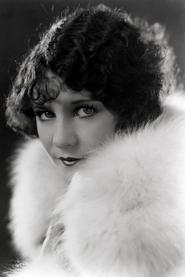
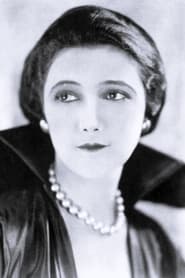
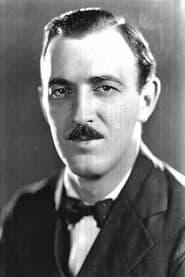
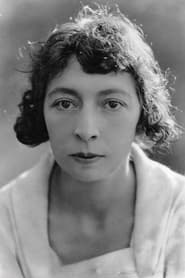
Open All Night was mounted during a period when American studios were refining the elegant, urban comedy that played well with adult audiences. The film’s central device—marital boredom disrupted by flirtation at a sporting event—allowed the production to showcase fashionable costumes, lively ensemble interactions, and the kinetic atmosphere of the bicycle races. Paul Bern’s direction likely leaned on the interplay of star personae: Viola Dana as the emotionally curious wife, Adolphe Menjou as the controlled but eventually assertive husband, and Jetta Goudal as the rival woman with a sharper, more worldly edge. Because detailed production records are scarce, specific anecdotes about the shoot are difficult to verify, but the film fits squarely into Paramount’s polished silent-comedy output of the era. Its casting also reflects the studio system’s use of recognizable faces in roles that could be quickly understood by audiences without dialogue.

Visual Style

The cinematography would have emphasized clear visual storytelling, expressive reaction shots, and the lively spatial dynamics of the bicycle-race setting. Silent comedies of this type often relied on crisp staging so that romantic misunderstandings and shifting alliances could be followed instantly without intertitles interrupting the rhythm. The racing sequences likely provided opportunities for movement, crowd composition, and kinetic editing that contrasted with the more intimate scenes of domestic boredom and flirtation. While no detailed shot-by-shot analysis is widely documented, the film’s visual style can be understood as part of the polished Paramount house aesthetic of the mid-1920s: attractive lighting, clean composition, and an emphasis on star presence.

Innovations

The film does not appear to be associated with a major technical innovation, but it participates in the mature craftsmanship of late silent-era filmmaking. Its likely achievements lie in its smooth visual narrative, effective ensemble blocking, and the use of a public sporting event as a dynamic backdrop for comedy. The bicycle-race material would have required careful staging to preserve clarity and momentum, particularly in a silent context where movement and gesture carried much of the storytelling burden. Its technical value today is primarily historical, illustrating the production standards of a major studio comedy in 1924.

Music

As a silent film, Open All Night would originally have been accompanied by live music, with the exact score varying by theater and exhibitor. No single original composed soundtrack is widely documented in surviving standard references. In practice, contemporary screenings may have used a photoplay compilation score or local theater musicians improvising and adapting music to the romantic and comic tone of the story. Modern presentations of silent films like this are often paired with newly assembled accompaniment if the film survives for archival screening.

Famous Quotes

I couldn’t verify any surviving, widely cited intertitles or promotional lines from this film.
No reliably documented famous spoken quotes exist, as the film is silent.

Memorable Scenes

  • Therese’s first excursion to the bicycle races, where the spectacle of speed and crowd energy opens the door to romantic temptation.
  • The introduction of Petit Mathieu, whose masculine confidence and athletic bravado immediately contrast with Edmond’s quiet demeanor.
  • Lea’s reciprocal flirtation with Edmond, which heightens the comic entanglement of the two couples.
  • The emotional reversal in which Therese realizes that Mathieu’s rough charm is not truly what she wants.
  • The restoration of the original marriages, with Edmond rediscovering enough assertiveness to win his wife back.

Did You Know?

  • The film brings together several notable silent-era performers, including Viola Dana, Adolphe Menjou, Jetta Goudal, and Raymond Griffith, all of whom were associated with sophisticated comedy and glamour in the 1920s.
  • Paul Bern is credited as director here, but he later became much more famous as a producer at MGM and as one of the most discussed personalities in Hollywood history.
  • The plot uses bicycle racing as both a literal sporting event and a metaphor for romantic pursuit, a popular silent-era strategy for combining modernity with comedy.
  • Jetta Goudal, who plays Lea, was one of the most visually distinctive actresses of the period and often specialized in exotic or flirtatious roles.
  • Raymond Griffith appears in a supporting comic role as Igor, adding an extra layer of eccentric humor to the story.
  • The film reflects the 1920s interest in shifting courtship norms, marriage fatigue, and the allure of modern nightlife and sporting culture.
  • Open All Night survives in film history largely through archival records, databases, and secondary references rather than through wide modern circulation.
  • The title may suggest a risqué atmosphere, but the film is fundamentally a light romantic comedy rather than a scandal picture.
  • Adolphe Menjou, who plays the initially temperless husband Edmond, was developing the polished screen persona that would later make him a reliable leading man and character actor.
  • The movie is a good example of Paramount's mid-1920s star-driven production model, which favored chic settings and refined comic situations.

What Critics Said

Contemporary reviews are not widely preserved in easily accessible form, so a full critical consensus is difficult to reconstruct from surviving sources alone. Based on the film’s cast, studio, and genre, it was likely received as an agreeable, stylish comedy rather than as a major prestige release. Modern assessment generally treats it as a minor but interesting example of mid-1920s silent romantic comedy, noteworthy more for its performers and period flavor than for formal innovation. Film historians tend to value it for what it reveals about studio-era attitudes toward marriage, flirtation, and urban sophistication, even if it is not frequently discussed in broader silent-cinema surveys.

What Audiences Thought

Specific box-office figures and audience response data are not readily available, but the film was clearly made for broad popular appeal. Its combination of recognizable stars, easy-to-follow romantic complications, and a fashionable sporting setting would have made it accessible to mainstream silent audiences. The comic cross-pairing of husbands, wives, and lovers was the kind of material that generally played well in the 1920s, especially when presented with charm and visual polish. Today, audience interest is primarily archival and historical, with viewers likely appreciating the film as a product of its era and as a vehicle for several notable silent performers.

Film Connections

Influenced By

  • Popular stage and screen marital comedies of the early 1920s
  • The urban sophisticate style common in Paramount silent comedies
  • The public fascination with bicycle racing and modern sports culture

This Film Influenced

  • Later silent and early sound marital comedies that used swapped couples and romantic misunderstanding as a central device
  • Subsequent studio comedies built around nightlife, sport, and flirtation as social spectacle

Film Restoration

The film appears to survive in historical records and catalog references, but detailed public preservation status is not consistently documented in commonly accessible sources. It is not widely circulated in modern commercial release, and no universally cited restoration campaign is known from standard references. Its status is best described as an obscure silent title that may exist in archival holdings but is not broadly available to contemporary audiences.

Themes & Topics