Over the Fence
Plot
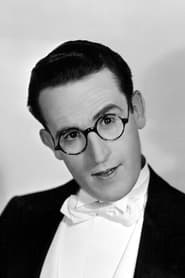
Ginger, one of Harold Lloyd's early comic characters, has a pair of baseball tickets stolen from him by the scheming Snitch, who then uses them to take Ginger's girl to the game. Left without a way in, Ginger resorts to an increasingly absurd disguise, dressing as a baseball player in hopes of slipping past the gate and into the ballpark. Once inside, he becomes entangled in the action on the field and ultimately helps turn the game in his favor, transforming a ticket scam into a comic athletic triumph. The film plays as a brisk, gag-driven chase comedy built around mistaken identity, flirtation, and the familiar Lloyd pattern of an underdog improvising his way into success.
About the Production
Over the Fence was produced during Harold Lloyd's formative period at the Rolin Film Company, before his later and more famous feature-comedy persona had fully crystallized. The short belongs to the cycle of fast-paced one-reel slapstick comedies built around Lloyd's early Ginger character, and it depends heavily on physical business, crowd scenes, and the visual comic possibilities of baseball as a popular American pastime. Surviving documentation is limited compared with later Lloyd productions, so precise budgetary and box-office figures are not generally recorded in standard reference sources. The film is also of special interest to historians because it may represent an early step toward the development of Lloyd's better-known 'Glasses' or 'Boy' screen identity, though exact character continuity is not always firmly established in surviving records.
Historical Background
The film was released in 1917, during the height of the silent era and in the midst of America's increasing urbanization and mass entertainment culture. Baseball was already firmly established as a national pastime, making it an ideal subject for comedy that audiences could instantly understand. This was also a moment when the short comedy form dominated theatrical programs, and studios like Rolin were producing large quantities of one-reel films that paired accessible situations with physical humor. Over the Fence belongs to the period before Harold Lloyd became one of the major architects of feature-length screen comedy, so it is historically important as a document of the early, experimental stage of his development.
Why This Film Matters
Although not one of Harold Lloyd's best-known titles, Over the Fence matters as part of the foundation of his comic legacy and the wider evolution of American screen comedy. It shows the early blending of sports culture, romantic rivalry, and social aspiration that would remain central to many later silent comedies. For film historians, the title has value because it helps map the transition from stock slapstick types to more psychologically distinctive comedy heroes. Its baseball setting also reflects how silent films absorbed everyday American institutions into comic narratives, turning familiar public rituals into performance material.
Making Of
Over the Fence was made at a time when Harold Lloyd was rapidly developing from a supporting comic into a star with a more individualized style. The Rolin Film Company operated with the efficiency typical of short-subject comedy production in the 1910s, relying on familiar performers, quick setups, and visual business that could be staged economically. Baseball-game material would have required careful coordination of extras and staged crowd action, which likely made the film more elaborate than a simple two-character chase comedy. Because the film survives mostly as an early short from Lloyd's career, its behind-the-scenes reputation rests less on documented anecdotes than on its value as evidence of how silent comedians experimented with recurring characters, urban sports settings, and disguise-based humor.
Visual Style
The film would have used the straightforward, functional visual style common to 1917 comedy shorts: static or lightly adjusted camera setups, medium and full shots to capture body language, and staging that emphasized readable action over elaborate camera movement. Baseball scenes likely relied on clear spatial staging so audiences could follow the joke of Ginger infiltrating the game and taking part in the action. As with many silent comedies, the cinematography served the performance, keeping the frame open enough to showcase running, gesturing, dodging, and ensemble interaction. The emphasis would have been on clarity, pace, and physical readability rather than atmospheric lighting or expressive camera experimentation.
Innovations
The film does not appear to be associated with major technical innovations, but it is notable for the disciplined staging required by crowd-based baseball comedy in the silent era. Its value is more historical than technological, illustrating how early filmmakers coordinated slapstick action across a sports setting while keeping the narrative legible without sound. The film also reflects the refinement of Harold Lloyd's screen mechanics: precise gag construction, escalating complications, and a finale that rewards ingenuity. In that sense, its achievement lies in comic structure and performance economy rather than in camera or editing breakthroughs.
Music
As a silent film, Over the Fence would originally have been accompanied by live music in theaters rather than by a fixed studio score. No universally standardized original soundtrack is known to survive for the film, and modern screenings may use library music or custom accompaniment. Any musical presentation today depends on the archive, restoration, or exhibition context. Baseball-themed silent comedies were often paired with upbeat, jaunty piano or small-ensemble accompaniments to underscore the brisk tempo and comic rhythm.
Memorable Scenes
- Ginger discovering that Snitch has stolen his baseball tickets and realizing he has been shut out of the game and the romantic outing.
- Ginger improvising a baseball-player disguise in order to gain entry to the ballpark.
- The comic escalation of Ginger's efforts once inside the game, turning a failed date plan into an athletic and social rescue.
- The finale in which the disguised hero's presence on the field helps swing the game's outcome in his favor.
Did You Know?
- The film is often discussed by Harold Lloyd historians as part of the transitional period in which his screen persona was evolving from the earlier Ginger character toward the more familiar, ambitious young man later associated with his glasses.
- Baseball was a particularly effective comic setting in silent-era short films because it allowed for broad visual gags, public spectacle, and easy audience recognition without reliance on intertitles.
- Harry 'Snub' Pollard appears in the film, adding his distinct physical-comedy style to the ensemble and helping anchor the picture in the Rolin stock-company tradition.
- Bud Jamison, another familiar silent-comedy supporting player, is part of the cast, reflecting the reuse of dependable comic performers in short-form production.
- The film is sometimes referenced by collectors and historians because early Lloyd shorts are important for tracking the gradual refinement of his comedic timing and screen image.
- Like many 1910s comedy shorts, the film was designed to play as a self-contained attraction rather than as part of a feature-length narrative.
- The movie's plot premise centers on theft, disguise, and sports mischief, all common ingredients in early slapstick that let the hero win through cleverness rather than brute force.
- Because many silent shorts from this era are incomplete or poorly documented, information about scene-by-scene production details is more fragmentary than for later Harold Lloyd features.
What Critics Said
Contemporary critical reception is not widely preserved in standard modern reference works, which is typical for many short comedies of the period. At the time of release, films like Over the Fence were generally evaluated more for immediate audience appeal than for long-form artistic ambition, and Harold Lloyd's energetic timing and physical invention were increasingly recognized as strengths. Modern critics and historians tend to view the film primarily as an early development piece in Lloyd's career rather than as a major standalone masterpiece. Its importance today lies in its place within the chronology of silent comedy and in the continuing interest in how Lloyd's screen persona emerged.
What Audiences Thought
Audience reaction in 1917 was likely based on the film's quick-fire gags, familiar romantic stakes, and the popularity of baseball as a setting. Silent comedy shorts were designed for broad, immediate appreciation, and the film's disguises, competitive antics, and underdog victory would have played well with general audiences. In the present day, viewers are usually drawn to it as a historical curiosity and for its place in Harold Lloyd's early output rather than as a widely screened mainstream classic. For silent-film enthusiasts, however, it remains an engaging example of the era's concise comic storytelling.
Film Connections
Influenced By
- Vaudeville physical comedy
- Early American chase comedies
- Baseball-themed stage and film humor popular in the 1910s
- The comic stock-character tradition used by early silent shorts
This Film Influenced
- Later Harold Lloyd shorts and features built around the ambitious, resourceful young hero
- Subsequent sports-comedy shorts that used baseball as a setting for slapstick action
- Silent-era disguise and infiltration comedies that paired romance with athletic farce
You Might Also Like
More Comedy Films
View allMore from Harold Lloyd
View allFilm Restoration
The film is extant and is known to survive in archival or collector form, though availability may vary by source and transfer quality. As with many silent shorts, surviving prints may reflect age-related wear, incomplete preservation, or varying restoration standards. It is not generally considered a lost film.