1924 · null

Also available on: YouTube Archive.org
The King of the Wild Horses

The King of the Wild Horses

1924 null United States

"null"

Taming versus freedomThe power of nature over human controlFrontier masculinity and determinationAnimal intelligence and loyaltyThe mythic Western landscape

Plot

Set in the wild, open country of the American West, the story centers on a powerful stallion known as "The Black," who leads a free-roaming herd of wild horses and refuses to be tamed. A determined cowboy becomes obsessed with capturing and breaking the animal, setting up a conflict between human ambition and the untamed spirit of the wilderness. As the pursuit unfolds, the film interweaves the struggle over the stallion with the usual Western concerns of ownership, domination, and the tension between civilization and the frontier. The horse becomes the emotional center of the picture, and the narrative builds toward a hard-won confrontation in which human resolve is tested against instinct, speed, and raw physical power. The film emphasizes action, landscape, and animal performance more than complex dialogue-driven drama, which was typical of action-oriented silent Westerns of the period.

About the Production

Release Date 1924-11-23
Budget null
Box Office null
Production Universal Pictures
Filmed In Arizona, United States, Outdoor Western locations used for horse-action photography; exact locations are not consistently documented in surviving sources

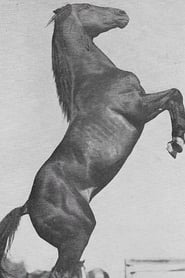
The film was mounted as an animal-centered Western vehicle in the silent era, with the horse Rex heavily featured as the title attraction and principal performer. Like many 1920s outdoor adventure pictures, it relied on location shooting and staged horse action rather than studio-bound sets, which gave the film a strong sense of open-range spectacle. Contemporary documentation about the production is limited, but the picture is notable for treating the wild horse not merely as a prop or mount, but as the dramatic focus of the story. Surviving references suggest the film was part of Universal's regular program of Western and animal-adventure releases rather than a prestige production, and exact budget and earnings figures are not currently documented in readily verifiable sources.

Historical Background

The King of the Wild Horses was released in 1924, a moment when American silent cinema was at a mature stage of technical and commercial development, yet still deeply dependent on visual storytelling. Westerns in this era often combined romantic frontier mythmaking with action spectacle, and animal-centered stories were especially popular because they could create excitement without elaborate dialogue or expensive production design. The film emerged during a period when Hollywood studios like Universal were producing a steady stream of genre pictures for broad audiences, including rural and small-town moviegoers who strongly supported Westerns. Its emphasis on a wild stallion mirrors early twentieth-century ideas about control, nature, masculinity, and the frontier, themes that were central to American popular culture before the sound era transformed film style and marketing.

Why This Film Matters

Although not among the most famous silent Westerns, the film is culturally interesting as an example of how early Hollywood turned animals into narrative stars and built frontier drama around the symbolic struggle between civilization and wilderness. It contributes to the tradition of horse-centered Westerns that celebrated speed, freedom, and the romance of untamed landscapes, themes that became foundational to the genre's identity. The film also reflects the way studios used animal performers to broaden appeal, creating a cross between adventure film, Western, and nature spectacle. For film historians, it is a useful example of silent-era genre filmmaking in which the visual charisma of an animal lead could carry a feature and provide memorable imagery even when the film itself is not widely preserved or frequently screened today.

Making Of

The film was made during the height of the silent-era Western boom, when studios regularly produced outdoor adventures that could be shot efficiently on location and marketed around exciting animal or stunt work. Fred Jackman had experience in action filmmaking and was well suited to a picture that depended on visual clarity, movement, and the staging of horse sequences. The production appears to have been designed around Rex as a featured performer, which meant the horse action was not incidental but central to both the narrative and the advertising appeal. As with many films from this period, detailed behind-the-scenes records have not survived in abundance, but the film’s structure strongly suggests that the production prioritized scenic Western imagery and the dramatic personality of the wild horse over complex melodramatic subplots.

Visual Style

As a silent Western, the film would have depended heavily on expansive outdoor photography, clear action staging, and the dramatic use of landscapes to convey freedom, danger, and pursuit. Fred Jackman’s background in technical film work suggests an emphasis on legible movement and dynamic framing, especially in scenes involving horses running in open terrain. The visual style likely stressed contrast between the untamed horse herd and the human efforts to control it, with the camera positioned to capture motion and geography in a straightforward but vivid manner. Surviving descriptions indicate a production aimed at spectacle and immediacy rather than expressionistic stylization.

Innovations

The film's main technical interest lies in its horse-action filmmaking and the likely use of outdoor location photography to stage believable motion and pursuit. Silent Westerns of this type often required careful coordination of riders, animals, and camera placement so that action remained readable without sound, and the film appears to have been built around that craft. Fred Jackman’s expertise in action-oriented production would have helped shape efficient visual storytelling and staged movement across open terrain. While it does not appear to introduce a landmark innovation, it represents the polished, practical craft of early 1920s genre filmmaking.

Music

As a 1924 silent film, it had no synchronized recorded soundtrack. Musical accompaniment would have been provided live by a theater pianist, organist, small ensemble, or in some venues a full orchestra, with the exact score varying by exhibition house. No original composed score is commonly documented for the film, and no standardized surviving music cue sheet is readily confirmed in the available record. Like many silent Westerns, its emotional impact would have depended heavily on improvised or locally assembled accompaniment tailored to chase scenes, tension, and heroic action.

Famous Quotes

null

Memorable Scenes

  • The opening presentation of The Black as the leader of a herd of wild horses, establishing him as the film's central force.
  • The cowboy's determined effort to track, capture, and break the stallion, which forms the narrative engine of the picture.
  • The open-range horse chases and pursuit scenes that showcase the film's emphasis on speed, terrain, and animal movement.

Did You Know?

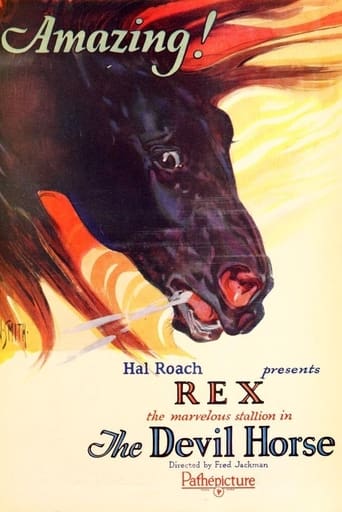
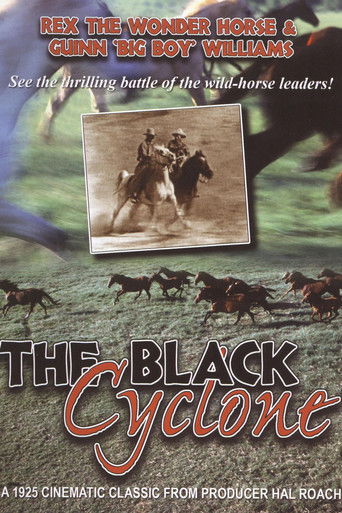
  • The star attraction was Rex, a famous screen horse whose name appears prominently in the film's identity and marketing.
  • The film was directed by Fred Jackman, who was also known in Hollywood for technical and cinematographic work on Westerns and action pictures.
  • It is a silent Western, so its storytelling depended on visual action, intertitles, and animal performance rather than spoken dialogue.
  • The title refers specifically to a stallion called "The Black," emphasizing the horse as the true lead character of the story.
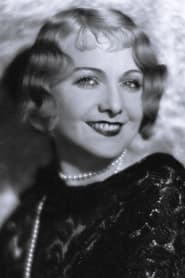
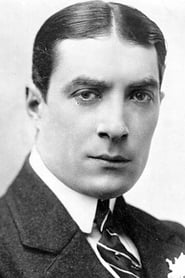
  • The cast included Edna Murphy and Léon Bary, but the film's main draw was the horse-action spectacle rather than star-driven romantic plotting.
  • Because the film is from 1924, it belongs to the period when silent Westerns frequently highlighted rugged landscapes, horse chases, and frontier conflict.
  • Surviving information about the production is relatively sparse, which is common for many mid-1920s silent genre films released by the major studios.
  • The film was released by Universal Pictures, one of the most active studios in the silent-era Western and action market.
  • The picture reflects the era's fascination with animal stars, a trend that also supported later famous screen animals in Hollywood.
  • The known plot premise centers on a human attempt to capture and break a wild stallion, a classic Western metaphor for taming nature and frontier independence.

What Critics Said

Contemporary reviews are not widely preserved in easily accessible sources, so the film’s exact critical reception is difficult to reconstruct in detail. As a silent-era Universal Western built around an animal star, it was likely received as a solid genre entertainment rather than a major prestige release, with attention focused on the horse work and scenic action. Modern critical discussion is limited largely to film-historical references, listings, and archival documentation rather than extensive appraisal, which is common for surviving records of lesser-known silent films. Where it is mentioned today, the film is usually noted for its title horse star, its place in Universal’s silent Western output, and its value as a historical artifact of genre and animal-performance cinema.

What Audiences Thought

Audience response in the 1920s is not comprehensively documented, but films of this type generally appealed to viewers who enjoyed fast-moving Western adventure, outdoor spectacle, and animal-led action. Rex’s prominence would have helped attract patrons interested in screen animals and horse stories, a reliable draw in the silent period. The film likely found its audience among fans of Western serials, frontier melodramas, and rural exhibitors who favored accessible, visually direct entertainment. Because the film is obscure today, its long-term popular reception appears to have faded with the loss or limited circulation of many silent-era prints.

Film Connections

Influenced By

  • Early American frontier literature and dime novel horse stories
  • Silent-era outdoor adventure Westerns
  • Popular animal-star films of the 1910s and 1920s

This Film Influenced

  • Western horse adventures that foreground animal stars
  • Later wilderness-versus-civilization frontier stories

Film Restoration

Survival status is unclear from readily available modern reference material, and the film does not appear to be widely circulated. It is best treated as a little-seen silent-era title with uncertain preservation status until confirmed by a major archive record. If a print survives, it is not commonly known as a standard restored release in contemporary repertory circulation.

Themes & Topics

wild horsestallioncowboy pursuittaming the frontiersilent Western